

What Are the Occupational Risks Faced by Waste Management Workers?
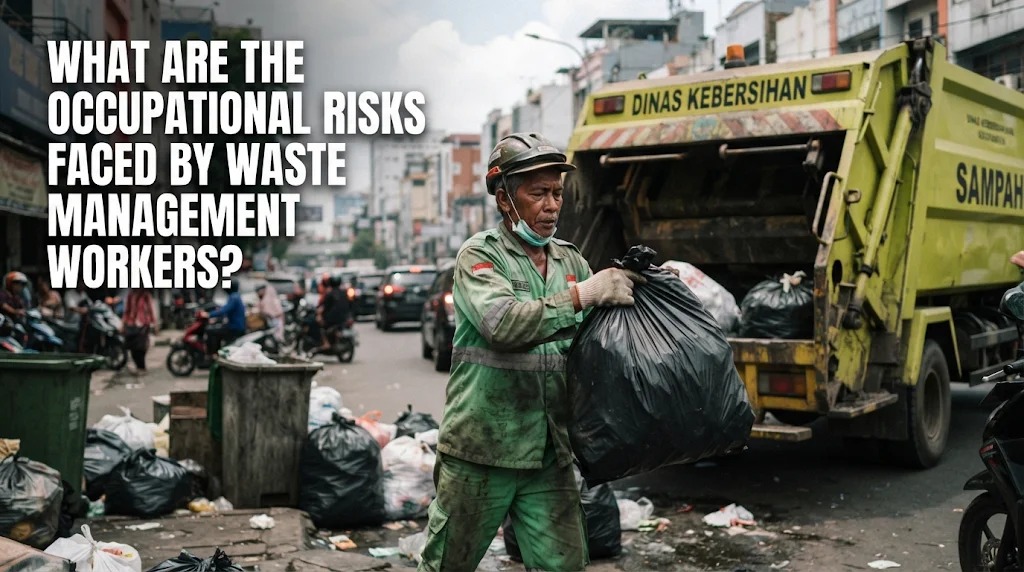
Waste management workers play an important role in keeping communities clean and protecting the environment. Their responsibilities include collecting, sorting, transporting, processing, and disposing of different types of waste. However, these activities can expose them to various occupational risks that may affect their health and safety. They often work in environments containing sharp objects, harmful substances, heavy equipment, and biological contaminants. Understanding these risks is essential to prevent workplace accidents, reduce health problems, and create safer working conditions for all waste management workers.
EXPOSURE TO HAZARDOUS CHEMICALS
One of the major occupational risks faced by waste management workers is exposure to hazardous chemicals. Some waste materials contain toxic substances, cleaning products, pesticides, industrial chemicals, and other dangerous compounds. Direct contact with these materials can cause skin irritation, eye injuries, breathing difficulties, or chemical burns. Inhaling harmful fumes may also affect the respiratory system and lead to long-term health problems.
Workers who handle chemical waste must follow proper safety procedures to reduce exposure. They should use appropriate protective equipment, such as chemical-resistant gloves, safety goggles, masks, and protective clothing. Waste materials must also be identified, labeled, and stored according to safety requirements. Proper training helps workers recognize dangerous substances and respond correctly if accidental exposure occurs.
INJURIES FROM SHARP OBJECTS AND DANGEROUS MATERIALS
Waste management workers frequently handle mixed waste that may contain broken glass, metal scraps, rusty nails, needles, and other sharp objects. These materials can cause cuts, puncture wounds, and serious injuries during collection or sorting activities. Medical waste is particularly dangerous because used needles and contaminated sharp objects may transmit infectious diseases. Workers may also encounter hidden objects inside garbage bags or containers.
To prevent these injuries, waste should be separated properly before collection and processing. Workers should wear puncture-resistant gloves, safety boots, and suitable protective clothing. They must also use tools instead of their bare hands when handling suspicious or dangerous objects. Proper waste containers and clear warning labels can further reduce the risk of accidental injuries.
EXPOSURE TO BIOLOGICAL HAZARDS AND INFECTIOUS DISEASES
Biological hazards are another important occupational risk in waste management activities. Waste materials may contain bacteria, viruses, fungi, parasites, and other microorganisms that can cause infections. Workers may come into contact with contaminated food waste, human or animal waste, medical waste, and wastewater. Exposure can occur through direct skin contact, inhalation of contaminated particles, or accidental injuries.
Certain infections and respiratory illnesses may develop when workers are repeatedly exposed to contaminated environments without adequate protection. Maintaining personal hygiene is therefore essential for reducing these risks. Workers should wear suitable gloves, masks, and protective clothing while handling potentially contaminated materials. Regular handwashing, appropriate vaccinations, and safe cleaning procedures can also help protect their health.
PHYSICAL INJURIES FROM HEAVY EQUIPMENT AND MANUAL HANDLING
Waste management activities often require workers to lift heavy garbage bags, move large containers, operate machinery, and transport bulky materials. These tasks can cause back pain, muscle strains, joint injuries, and other musculoskeletal disorders. Repeated bending, twisting, and lifting without proper techniques can increase the risk of long-term physical problems. Workers may also suffer injuries if they become trapped in or struck by moving equipment.
Heavy machinery, such as compactors, shredders, and waste collection vehicles, requires careful operation. Workers must receive proper training before using this equipment and follow established safety procedures. Mechanical guards, emergency stop systems, and regular equipment inspections are important for preventing accidents. Using lifting equipment and applying correct body mechanics can also reduce physical strain.
SLIPS, FALLS, AND TRAFFIC-RELATED ACCIDENTS
Waste management workers often operate in environments with wet floors, uneven surfaces, scattered rubbish, and slippery materials. These conditions can cause slips, trips, and falls that result in bruises, fractures, or more serious injuries. Workers who collect waste along roadsides also face the danger of being struck by passing vehicles. Poor lighting, limited visibility, and careless driving can increase these risks.
Preventive measures include maintaining clean work areas, providing adequate lighting, and using non-slip safety footwear. Workers operating near roads should wear high-visibility clothing and follow traffic safety procedures. Waste collection vehicles must also have functioning warning lights, alarms, and safety equipment. Employers should establish clear routes and safe working practices to reduce accidents during collection and transportation.
HEAT STRESS, NOISE, AND OTHER ENVIRONMENTAL HAZARDS
Waste management workers may spend long hours outdoors or inside facilities with uncomfortable environmental conditions. Working under high temperatures can cause dehydration, heat exhaustion, and heatstroke, especially when workers perform physically demanding tasks. Waste processing facilities may also expose employees to excessive noise from machinery and transportation equipment. Prolonged exposure to loud sounds can contribute to hearing loss.
Other environmental hazards include dust, unpleasant odors, poor ventilation, and airborne particles. These conditions may cause respiratory irritation, headaches, fatigue, and discomfort. Employers can reduce these risks by providing drinking water, scheduled rest breaks, ventilation systems, hearing protection, and suitable respiratory equipment. Monitoring workplace conditions and conducting regular health assessments can help identify potential problems early.
CONCLUSION
Waste management workers face various occupational risks, including chemical exposure, biological hazards, physical injuries, sharp objects, traffic accidents, and environmental dangers. These risks can affect their health, safety, and ability to perform daily responsibilities. Proper training, personal protective equipment, safe operating procedures, and regular workplace inspections are essential for preventing accidents and occupational illnesses. By prioritizing worker safety, waste management organizations can create healthier working environments while maintaining effective waste management services.
Recent Posts

How Does Technology Make Daily Evaluation... 21.11.2026/55 View

Apa Strategi Menghadapi Kesenjangan antara Kompetensi... 21.11.2026/57 View

Mengapa Inventaris Aset Penting bagi Kelancaran... 21.11.2026/51 View

When Should Musicians Join a Record... 21.11.2026/52 View

Daily Evaluation or Daily Planning Which... 21.11.2026/59 View
