

What Are The Policy Implications Of National Assessment Findings?
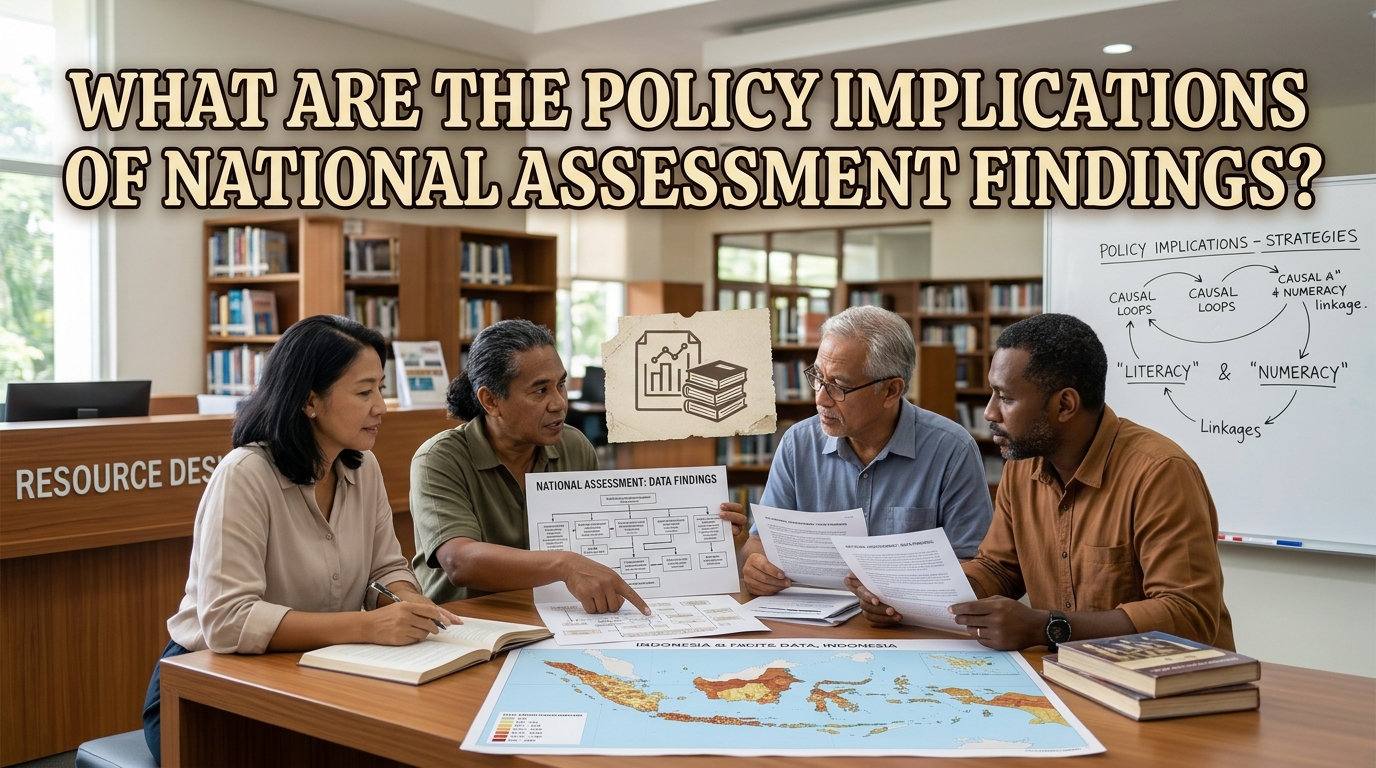
National assessments provide governments and educational leaders with robust, empirical evidence regarding student performance across the entire country. Translating these massive datasets into strategic policy reforms requires careful analysis to identify systemic bottlenecks and operational deficiencies. Lawmakers rely on these objective findings to craft legislation that addresses foundational learning gaps rather than relying on guesswork. Consequently, policymakers can establish clear, measurable benchmarks that guide school improvement initiatives over extended multi-year periods. This structured approach ensures that educational governance remains proactive, evidence-based, and aligned with long-term national development goals.
TARGETED RESOURCE ALLOCATION AND BUDGETING
Assessment findings play a pivotal role in determining how national education budgets and financial subsidies are distributed among diverse districts. Instead of spreading funds evenly regardless of need, governments use assessment metrics to identify underfunded and struggling regions. This data-driven budgeting ensures that targeted resources flow directly to schools lacking basic infrastructure, textbooks, or qualified staff. Furthermore, tracking the impact of these financial investments over time helps authorities evaluate the cost-effectiveness of their support programs. Ultimately, strategic resource allocation bridges the economic divide, ensuring that every institution receives the financial backing required for success.
CURRICULUM REDESIGN AND PEDAGOGICAL SHIFTS
National assessment results frequently reveal widespread weaknesses in specific academic subjects such as critical thinking, mathematics, and reading comprehension. These insights compel curriculum developers to overhaul outdated syllabi and integrate modern competencies demanded by the global economy. Teachers receive updated training guidelines designed to shift classroom instruction away from rote memorization toward deep analytical engagement. Therefore, policy implications directly influence daily pedagogical practices by establishing modern standards for student comprehension and problem-solving. Aligning classroom instruction with national diagnostic data ensures that graduates possess the practical skills needed for future career challenges.
ADDRESSING EDUCATIONAL DISPARITIES
Disaggregating assessment findings by region, socioeconomic status, and demographic background uncovers hidden patterns of educational inequality. Policymakers use this granular visibility to formulate targeted equity policies that support marginalized student populations and remote rural schools. By highlighting achievement gaps, these evaluations prevent disadvantaged districts from remaining overlooked in national development plans. Effective policy interventions focus on leveling the playing field so that all students have equal access to quality educational opportunities. Consequently, national assessments act as powerful instruments for promoting long-term social justice and nationwide academic inclusivity.
CONCLUSION
In conclusion, national assessment findings carry profound policy implications that shape the future trajectory of modern educational systems worldwide. By driving strategic reforms, optimizing resource allocation, and reforming curricula, these evaluations transform raw data into actionable progress. Although implementing data-driven policies requires continuous effort, the resulting improvements in graduate quality and equity are invaluable. Educational authorities must remain committed to utilizing objective metrics to guide their decision-making processes and long-term planning. Ultimately, a well-informed policy framework built on assessment insights ensures a prosperous, competitive, and equitable future for all learners.
Recent Posts

Bagaimana Sistem SKS pada Program Kuliah... 22.11.2026/53 View

How Does Technology Make Daily Evaluation... 21.11.2026/82 View

Apa Strategi Menghadapi Kesenjangan antara Kompetensi... 21.11.2026/81 View

Mengapa Inventaris Aset Penting bagi Kelancaran... 21.11.2026/77 View

When Should Musicians Join a Record... 21.11.2026/82 View
