

What Are the Requirements for Becoming a Social Volunteer?
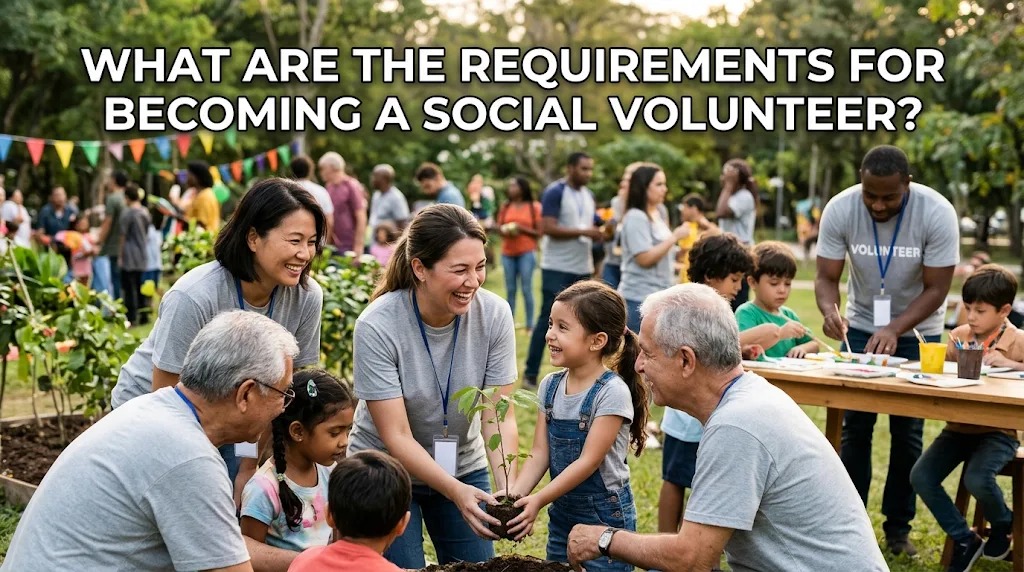
Becoming a social volunteer is a meaningful way to help others and contribute to society. Social volunteers support individuals and communities through humanitarian activities, education programs, environmental projects, and other forms of social assistance. Many people are interested in volunteering but are unsure about the requirements they need to meet before joining an organization or community program. In general, becoming a volunteer does not require a specific educational background or professional experience. However, volunteers need certain personal qualities, skills, and commitments to carry out their responsibilities effectively.
HAVING A STRONG WILLINGNESS TO HELP OTHERS
The most important requirement for becoming a social volunteer is having a genuine desire to help people. Volunteers should participate because they care about others and want to make a positive contribution to society. This motivation helps them remain enthusiastic, even when volunteer activities involve challenging situations. They should also understand that volunteering is not primarily about receiving money, recognition, or personal rewards. Instead, the main purpose is to provide meaningful assistance to people who need support.
A willingness to help should also be accompanied by empathy and respect. Volunteers need to understand that every individual has different experiences, problems, and needs. They should avoid judging people based on their economic background, education, age, or personal circumstances. Listening carefully and treating everyone equally can help build trust with the communities they serve. These attitudes create a more supportive and respectful volunteering environment.
MEETING THE AGE AND ORGANIZATIONAL REQUIREMENTS
Some social volunteer programs establish minimum age requirements for participants. The required age may depend on the organization, the type of activity, and the level of responsibility involved. Certain programs accept teenagers with parental permission, while others require participants to be at least 18 years old. Activities involving disaster response, medical assistance, or vulnerable groups may have additional requirements. Therefore, prospective volunteers should check the eligibility rules before registering.
Organizations may also require applicants to complete registration forms and provide basic personal information. Some programs conduct interviews to understand an applicant's motivation, availability, and relevant experience. Others may request parental consent, identification documents, or additional permission for specific activities. These procedures help organizations select suitable participants and maintain safety during their programs. Applicants should always follow the official requirements established by the organization they want to join.
HAVING GOOD COMMUNICATION AND TEAMWORK SKILLS
Communication skills are important because social volunteers regularly interact with different people. They may communicate with community members, fellow volunteers, coordinators, and partner organizations. Volunteers should be able to explain information clearly, listen to instructions, and respond politely to questions. Good communication also helps prevent misunderstandings when organizing activities or distributing assistance. Being respectful and patient can make interactions more comfortable for everyone involved.
Teamwork is equally important because many volunteer activities require cooperation. Volunteers need to understand their responsibilities, respect different opinions, and support other team members. They should be willing to share tasks and work together to achieve common goals. In some situations, they may need to adjust their roles according to changing conditions. Strong teamwork makes social programs more organized, effective, and beneficial for the community.
HAVING THE NECESSARY SKILLS AND WILLINGNESS TO LEARN
Social volunteers can come from different educational and professional backgrounds. Although specialized qualifications are not always necessary, certain skills can help them perform their duties more effectively. For example, communication, organization, problem-solving, and basic computer skills are useful in many volunteer activities. People with experience in teaching, healthcare, design, administration, or technology may also contribute their professional knowledge. The skills required depend on the type of program and the responsibilities assigned.
Willingness to learn is just as important as having existing abilities. Some organizations provide training before volunteers begin their activities, especially when programs involve safety procedures or vulnerable communities. Volunteers should be open to learning new methods, accepting feedback, and improving their abilities. They must also recognize their limitations and avoid performing tasks that require professional qualifications they do not possess. Continuous learning helps volunteers become more confident and responsible when providing assistance.
COMMITTING TIME AND FOLLOWING VOLUNTEER RULES
Becoming a social volunteer requires a commitment of time and energy. Applicants should understand the activity schedule and make sure they can participate consistently. Some programs take place for only a few hours, while others require regular involvement over several weeks or months. Volunteers should communicate honestly about their availability and avoid making commitments they cannot fulfill. Being punctual and completing assigned responsibilities demonstrate reliability and respect for the organization.
Volunteers must also follow organizational guidelines and maintain ethical behavior. They should respect privacy, protect personal information, and avoid sharing photographs or stories of beneficiaries without appropriate permission. Safety procedures must be followed, particularly during emergency assistance and activities involving children or older adults. Volunteers should report problems to their coordinators and ask for guidance when facing unfamiliar situations. Following these responsibilities helps protect everyone involved and maintains public trust in social programs.
CONCLUSION
The requirements for becoming a social volunteer generally include a willingness to help others, meeting organizational eligibility rules, having good communication and teamwork skills, and committing time to social activities. Specialized experience is not always necessary because many organizations provide guidance and training for new participants. However, empathy, responsibility, discipline, and a willingness to learn are essential qualities. Anyone who meets the relevant requirements and is ready to contribute can begin exploring volunteer opportunities in their community. Through consistent participation, social volunteers can help create a more caring, supportive, and inclusive society.
Recent Posts

Bagaimana Sistem SKS pada Program Kuliah... 22.11.2026/27 View

How Does Technology Make Daily Evaluation... 21.11.2026/65 View

Apa Strategi Menghadapi Kesenjangan antara Kompetensi... 21.11.2026/65 View

Mengapa Inventaris Aset Penting bagi Kelancaran... 21.11.2026/62 View

When Should Musicians Join a Record... 21.11.2026/63 View
