

What Are the Requirements for Free Health Checkup Programs?
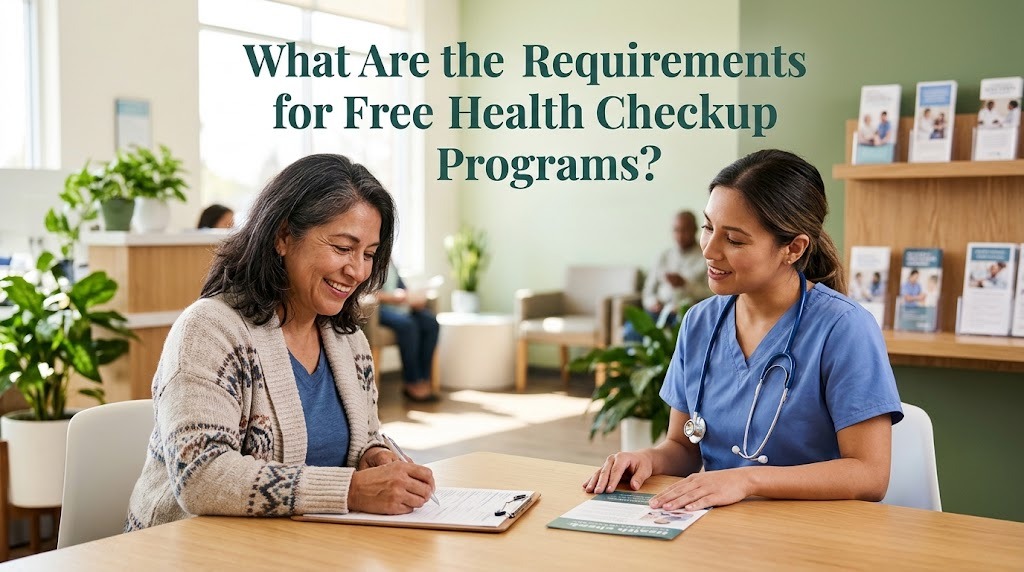
Free health checkup programs provide opportunities for people to monitor their health without having to pay for basic medical examinations. These programs are generally organized by governments, healthcare institutions, or community organizations to improve public access to preventive healthcare services. However, not everyone may automatically qualify for every program because certain requirements can apply depending on the location, provider, and type of examination offered.
Understanding the requirements for free health checkup programs is important before registering or visiting a healthcare facility. Applicants may need to meet specific eligibility conditions, prepare identification documents, and follow registration procedures. Knowing these requirements can make the process easier and help participants receive the appropriate healthcare services.
AGE AND ELIGIBILITY REQUIREMENTS
One of the most common requirements for free health checkup programs is meeting the age criteria established by the program organizer. Some programs provide examinations for all age groups, including children, teenagers, adults, and older people. Others may focus on specific groups because their healthcare needs and medical risks are different. For example, certain screening programs are designed specifically for pregnant women, older adults, or individuals at risk of developing chronic diseases.
Eligibility requirements may also depend on the purpose of the program. Some government initiatives are available to residents within a particular region, while other programs may prioritize people with limited financial resources or specific health conditions. Therefore, participants should check the official eligibility information before applying. Meeting the age requirement alone does not always guarantee access to every available examination.
IDENTIFICATION DOCUMENTS
Identification documents are often required when registering for free health checkup programs. These documents help healthcare providers verify the participant's identity and record their medical information correctly. Depending on the country and program, applicants may be asked to provide a national identity card, birth certificate, family registration document, or another recognized form of identification.
In some programs, parents or legal guardians may need to provide identification when registering children. Accurate personal information is important because it helps healthcare professionals maintain medical records and provide appropriate recommendations. Participants should prepare the required documents before visiting the healthcare facility. However, document requirements can vary, so it is advisable to confirm them with the program organizer beforehand.
RESIDENCY OR REGISTRATION REQUIREMENTS
Some free health checkup programs are limited to people who live in a particular administrative area. This requirement helps governments and healthcare institutions organize services according to the needs of their local communities. Participants may need to show proof of residence or provide information about their registered address. In certain cases, local health centers may prioritize residents within their service areas.
However, not every free health checkup program requires participants to live in a specific location. Some initiatives are open to visitors, workers, students, or people from different regions. The registration process may also differ between public healthcare facilities and private organizations. Checking the geographical eligibility rules can help participants avoid unnecessary registration problems.
REGISTRATION AND APPOINTMENT PROCEDURES
Registration is another important requirement for accessing free health checkup services. Some programs allow participants to register online through official websites or healthcare applications, while others provide direct registration at designated medical facilities. During registration, applicants may be asked to enter personal information, select an examination location, and provide basic health details. These steps help organizers prepare the necessary medical services and manage the number of participants.
Certain programs also require appointments before participants can receive examinations. Appointment systems help healthcare facilities manage patient visits and reduce waiting times. Participants should follow the assigned schedule and arrive at the location according to the instructions provided. If registration is required, failing to complete it may prevent someone from receiving services on the intended date.
HEALTH INFORMATION AND MEDICAL HISTORY
Participants may be asked to provide information about their current health conditions and medical history before undergoing examinations. This information can include previous illnesses, allergies, medications, family medical history, and symptoms that they have experienced. Healthcare professionals use these details to understand individual health needs and determine which examinations may be appropriate. Providing accurate information is important for obtaining reliable medical recommendations.
Medical history can also help healthcare professionals identify potential risk factors that may require additional attention. For example, a person with a family history of diabetes may need closer monitoring of blood sugar levels. Participants should inform medical staff about any existing conditions and medications they regularly use. Personal health information should be handled according to applicable privacy and medical confidentiality requirements.
FOLLOWING PREPARATION INSTRUCTIONS
Some health examinations require participants to follow specific preparation instructions before arriving at the healthcare facility. For example, certain blood tests may require fasting for a specified period to ensure that the results can be interpreted correctly. Other examinations may require participants to avoid particular foods, drinks, or activities beforehand. However, not all health checkups require fasting or special preparation.
Participants should follow the instructions provided by healthcare professionals or program organizers. They should also bring any requested medical documents, previous examination results, or medication information. People who take regular medication should not stop using it without consulting a healthcare professional. Proper preparation helps make the examination process safer and supports more accurate results.
HEALTH INSURANCE AND FINANCIAL REQUIREMENTS
The financial requirements for free health checkup programs depend on the policies of each organizer. Some government programs provide selected examinations without requiring participants to pay or present private health insurance. Other initiatives may require membership in a public health insurance system or proof of eligibility for subsidized healthcare services. Therefore, participants should understand the coverage rules before registering.
It is also important to recognize that free health checkups do not always include every medical service. Basic screening may be provided at no cost, while additional laboratory tests, specialist consultations, medications, or treatments may involve separate expenses. Participants should ask about the services covered by the program to avoid unexpected costs. Understanding these conditions helps people make informed decisions about their healthcare needs.
AGE-APPROPRIATE AND PROGRAM-SPECIFIC EXAMINATIONS
Different free health checkup programs may offer examinations based on the participant's age, sex, health history, and individual risk factors. Children may receive growth and development assessments, while adults may be offered blood pressure, blood sugar, or cholesterol screening. Older adults may receive additional assessments related to mobility, vision, hearing, and other age-related health concerns. These differences help ensure that examinations are relevant to each participant.
Some programs also provide specialized screening for particular health risks. For example, certain initiatives may include examinations related to reproductive health, pregnancy, or specific chronic diseases. Not every participant will receive the same tests because medical needs can vary. Healthcare professionals generally determine the appropriate examinations based on available services and individual health conditions.
CONCLUSION
The requirements for free health checkup programs generally include meeting eligibility criteria, preparing identification documents, completing registration, and providing relevant health information. Some programs may also require proof of residence, appointments, health insurance membership, or specific preparation before medical examinations.
However, these requirements are not identical everywhere because each program has different policies and service coverage. Participants should always check official information from the government, healthcare provider, or program organizer before registering. By understanding the requirements and preparing the necessary documents, individuals can access free health checkup services more easily and take an important step toward maintaining their overall health.
Recent Posts

Bagaimana Sistem SKS pada Program Kuliah... 22.11.2026/49 View

How Does Technology Make Daily Evaluation... 21.11.2026/76 View

Apa Strategi Menghadapi Kesenjangan antara Kompetensi... 21.11.2026/78 View

Mengapa Inventaris Aset Penting bagi Kelancaran... 21.11.2026/74 View

When Should Musicians Join a Record... 21.11.2026/78 View
