

What Are the Rights and Obligations of School Committee Members?
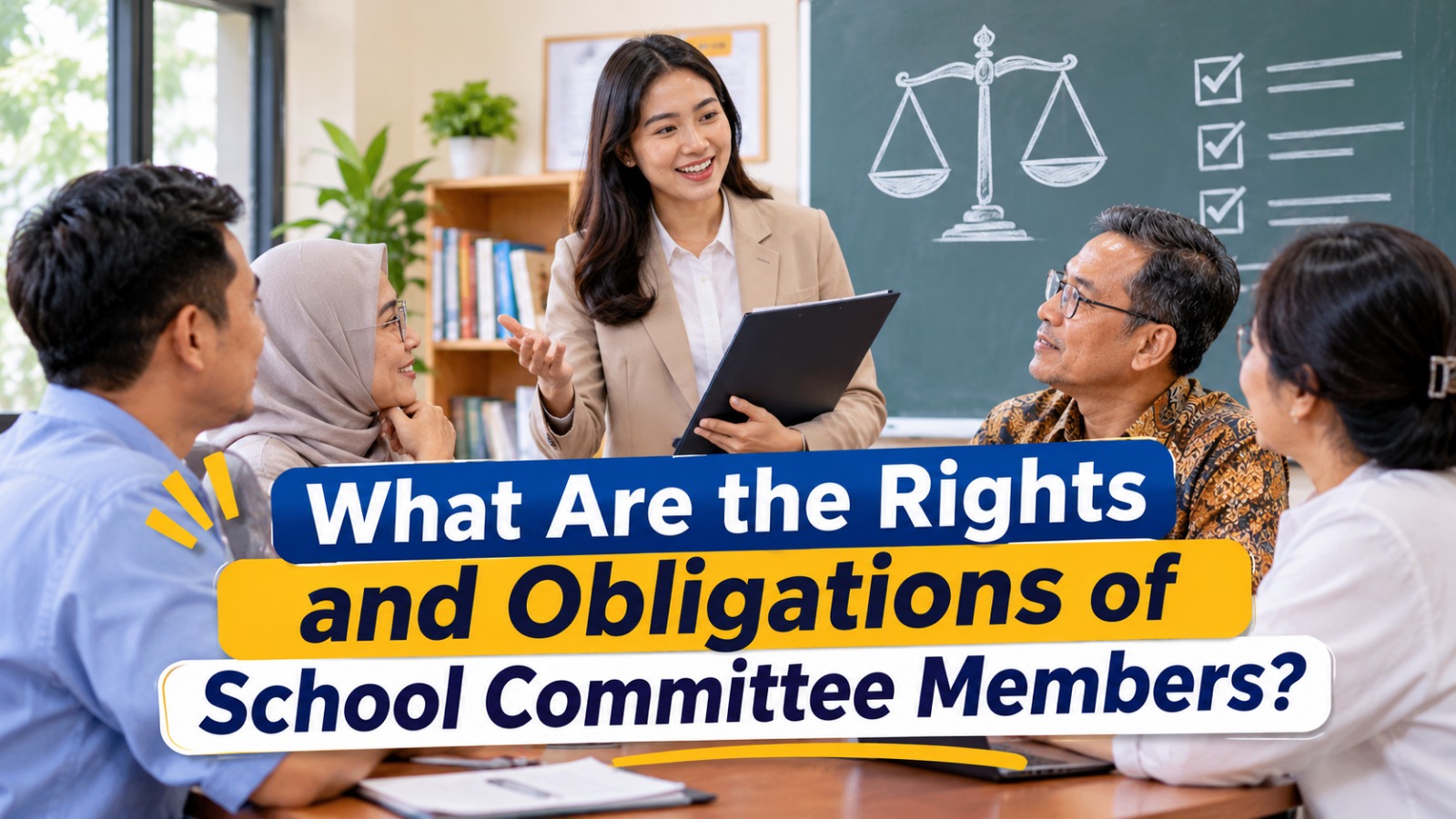
A school committee plays an important role in supporting the quality of education through cooperation between schools, parents, and the community. Its members have specific rights and obligations that help them carry out their responsibilities effectively. Understanding these rights and obligations is essential to ensure that school committees work professionally, transparently, and in the best interests of students.
School committee members are expected to participate in educational discussions, provide constructive suggestions, and support school development programs. At the same time, they must respect school policies, maintain good communication, and act responsibly when making decisions. By understanding their roles, members can contribute to creating a better, safer, and more supportive learning environment.
THE RIGHTS OF SCHOOL COMMITTEE MEMBERS
School committee members have the right to receive relevant information about school programs, activities, and educational development plans. This information helps them understand the school's needs and provide appropriate recommendations. They also have the right to express opinions, ask questions, and participate in discussions related to improving educational quality.
In addition, members can propose ideas and suggestions concerning school facilities, student welfare, and learning activities. They are entitled to participate in committee meetings and contribute to decisions within their authority. These rights allow members to perform their roles effectively while maintaining cooperation with teachers, school leaders, parents, and the wider community.
THE OBLIGATIONS OF SCHOOL COMMITTEE MEMBERS
Every school committee member has an obligation to support educational programs and contribute positively to school development. Members should participate actively in meetings, provide constructive feedback, and help identify challenges that may affect the learning process. They must also respect school regulations and understand the boundaries between the committee's responsibilities and the school's internal management.
Another important obligation is to maintain transparency and accountability in every activity involving the committee. Members must communicate information honestly, avoid conflicts of interest, and ensure that decisions are made for the benefit of students. They should also protect confidential information when necessary and maintain professional relationships with all parties involved in education.
THE IMPORTANCE OF TRANSPARENCY AND ACCOUNTABILITY
Transparency and accountability are essential principles in managing a responsible school committee. Members should ensure that discussions, recommendations, and activities are conducted openly and can be properly explained to relevant parties. When the committee is involved in fundraising or managing community contributions, financial information must be recorded and reported clearly.
These principles help build trust between schools, parents, and the community. Transparent communication also reduces misunderstandings and prevents the misuse of authority or resources. By maintaining accountability, school committee members can demonstrate that their activities genuinely support educational improvement rather than personal interests.
THE RESPONSIBILITY TO SUPPORT SCHOOL DEVELOPMENT
School committee members are responsible for helping schools identify their needs and improve the quality of educational services. They can provide suggestions regarding learning facilities, educational resources, student activities, and other programs that support the learning process. Their involvement can also encourage parents and community members to participate in school development.
However, supporting school development does not mean taking over the responsibilities of school principals or teachers. Committee members must respect the school's internal management and avoid interfering with professional teaching decisions. Their role is to provide support, recommendations, and constructive cooperation while allowing school staff to carry out their duties according to applicable regulations.
THE IMPORTANCE OF COOPERATION WITH PARENTS AND THE COMMUNITY
Good cooperation between school committees, parents, and the community is necessary to create a positive educational environment. Committee members should listen to parents' concerns, understand community expectations, and communicate school development plans effectively. Through regular discussions, they can help identify problems and find solutions that benefit students.
Community participation can also strengthen educational programs by providing ideas, resources, and relevant support. For example, parents may contribute to school activities, environmental improvement programs, or student development initiatives. By building strong relationships, school committee members can encourage shared responsibility for improving educational quality.
ETHICAL STANDARDS THAT SCHOOL COMMITTEE MEMBERS MUST FOLLOW
School committee members must maintain ethical behavior when carrying out their responsibilities. They should act honestly, respect different opinions, and avoid using their positions for personal or financial benefits. Every recommendation and decision should prioritize students' interests and the improvement of education.
Members must also avoid discrimination, maintain professional communication, and respect the rights of teachers, parents, students, and school employees. They should not spread unverified information or misuse confidential school documents. Following ethical standards helps protect the committee's credibility and strengthens public trust in its activities.
CONCLUSION
The rights and obligations of school committee members are important foundations for creating an effective and responsible educational organization. Members have the right to receive information, express opinions, participate in discussions, and provide recommendations. At the same time, they must support school programs, maintain transparency, respect internal management, and prioritize students' interests.
By fulfilling these responsibilities and respecting their rights, school committee members can build stronger cooperation between schools, parents, and the community. Their active and ethical participation can contribute to better educational services, improved school facilities, and a more supportive learning environment. Ultimately, a responsible school committee helps schools achieve their educational goals through transparency, accountability, and collaboration.
Recent Posts

Bagaimana Sistem SKS pada Program Kuliah... 22.11.2026/27 View

How Does Technology Make Daily Evaluation... 21.11.2026/65 View

Apa Strategi Menghadapi Kesenjangan antara Kompetensi... 21.11.2026/65 View

Mengapa Inventaris Aset Penting bagi Kelancaran... 21.11.2026/62 View

When Should Musicians Join a Record... 21.11.2026/63 View
