

What Are the Risks of Poor Asset Management?
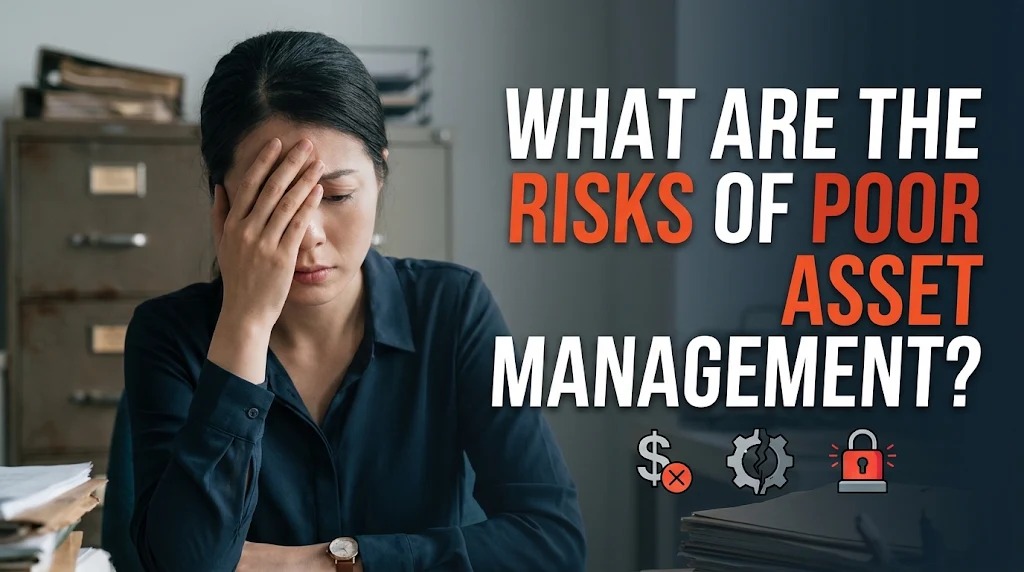
Poor asset management can create serious problems for businesses because company assets support daily operations, financial activities, and long-term growth. Assets such as machinery, vehicles, computers, buildings, and equipment need to be recorded, monitored, and maintained properly. Without an effective management system, companies may experience financial losses, operational delays, and reduced productivity. Understanding these risks helps businesses protect their resources and maintain stable operations.
INCREASED OPERATIONAL COSTS
Poor asset management can increase business expenses because equipment may not receive proper maintenance. When companies fail to inspect their assets regularly, small problems can develop into serious damage that requires expensive repairs. Businesses may also spend more money replacing equipment that could have lasted longer with proper maintenance.
Unnecessary purchases can also occur when companies do not have accurate asset records. For example, a department may purchase new computers without realizing that unused devices are already available. These situations can waste company budgets and reduce financial efficiency.
ASSET LOSS AND THEFT
Another major risk is losing company assets because of weak monitoring and security procedures. Equipment, tools, vehicles, and other valuable resources may be misplaced, stolen, or used without permission. These incidents can happen when businesses do not maintain inventory records or establish clear responsibilities for employees.
Companies may struggle to identify missing assets if they do not conduct regular physical inspections. As a result, losses may remain unnoticed for a long time. Proper tracking systems, access controls, and routine audits can help reduce these risks.
REDUCED EMPLOYEE PRODUCTIVITY
Poorly managed assets can make it difficult for employees to complete their daily responsibilities. Broken computers, unavailable equipment, and poorly maintained machinery may interrupt important tasks. Employees may need to wait for repairs or search for alternative resources, which wastes valuable working time.
These problems can also affect teamwork and the completion of business targets. When employees do not have access to the equipment they need, their performance may decline. Proper asset management ensures that resources remain available and suitable for daily operations.
FREQUENT EQUIPMENT BREAKDOWNS
Assets that do not receive regular maintenance are more likely to experience unexpected failures. For example, production machines may stop working during important manufacturing activities, while company vehicles may break down during deliveries. These incidents can interrupt business operations and create additional expenses.
Unexpected breakdowns may also damage other equipment or reduce product quality. Without maintenance schedules and inspection records, companies may find it difficult to identify potential problems early. Regular maintenance helps extend asset useful life and reduce operational disruptions.
INACCURATE FINANCIAL REPORTS
Poor asset management can result in inaccurate financial records because companies may not properly document asset purchases, disposals, depreciation, or current values. Missing information can make it difficult to calculate the correct carrying amount of assets in financial statements.
Inaccurate records may also affect budgeting, tax calculations, and financial planning. Management could make incorrect decisions because the financial information does not reflect the company's actual condition. Maintaining organized documentation and conducting regular asset verification can improve financial reporting accuracy.
LOWER BUSINESS PROFITABILITY
When assets are not managed effectively, businesses may experience higher expenses and lower productivity at the same time. Frequent repairs, unnecessary purchases, equipment downtime, and asset losses can reduce the money available for other important activities. These problems may gradually affect the company's profitability.
Poor asset utilization can also prevent businesses from receiving the full value of their investments. Some equipment may remain unused while other departments lack sufficient resources. By monitoring asset performance and usage, companies can allocate resources more effectively and improve financial results.
DIFFICULTY MAKING BUSINESS DECISIONS
Accurate asset information is important for making effective business decisions. Without reliable records, management may struggle to determine which equipment needs replacement, which assets should be repaired, and which resources are no longer useful. This uncertainty can lead to poor investment decisions.
Businesses may also find it difficult to plan future budgets and operational improvements. For example, managers could purchase expensive equipment that does not match actual business requirements. A reliable asset management system provides useful information to support better planning and decision-making.
CONCLUSION
Poor asset management can lead to increased operational costs, asset loss, reduced productivity, equipment breakdowns, and inaccurate financial reports. These problems can weaken business performance and create difficulties in achieving long-term goals. Therefore, companies should maintain accurate asset records, conduct regular inspections, and establish effective maintenance procedures. Proper asset management helps protect company resources, control expenses, and support sustainable business growth.
Recent Posts

How Does Technology Make Daily Evaluation... 21.11.2026/55 View

Apa Strategi Menghadapi Kesenjangan antara Kompetensi... 21.11.2026/57 View

Mengapa Inventaris Aset Penting bagi Kelancaran... 21.11.2026/52 View

When Should Musicians Join a Record... 21.11.2026/52 View

Daily Evaluation or Daily Planning Which... 21.11.2026/59 View
