

What Are the Roles and Responsibilities of a Student Senate in University Organizations?
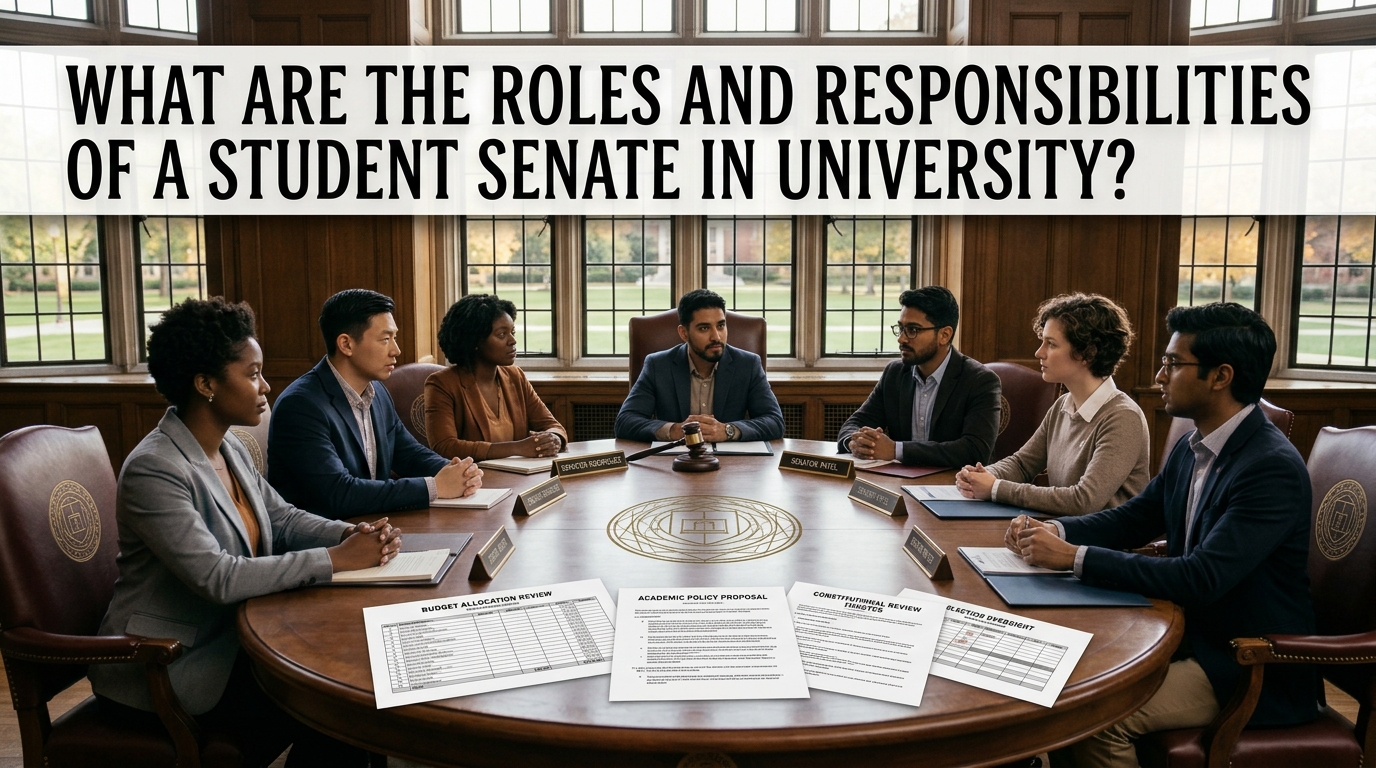
A Student Senate is an important organization in higher education that represents student interests and supports the development of a well-organized campus environment. It provides a formal platform for students to communicate their opinions, discuss academic issues, and participate in activities related to university governance. Through this organization, students can contribute ideas and recommendations that may help improve the quality of campus life.
In university organizations, the Student Senate has several roles and responsibilities, including representing student aspirations, supervising organizational activities, promoting transparency, and encouraging student participation. Its members are expected to work responsibly and maintain good communication with students, other campus organizations, and university management. Although its structure and authority differ between institutions, the Student Senate generally aims to create a more democratic, organized, and supportive university community.
UNDERSTANDING THE STUDENT SENATE IN UNIVERSITY ORGANIZATIONS
The Student Senate is a representative organization that provides students with opportunities to participate in campus activities and institutional discussions. Its members are usually elected or appointed to represent students from different faculties, departments, or academic programs. The organization serves as a communication channel between the student community and university authorities. It also provides a space for discussing issues related to academic services, student welfare, and campus regulations. Through these responsibilities, the Student Senate helps ensure that student interests receive appropriate attention.
In some universities, the Student Senate also has responsibilities related to overseeing student organizations and supporting campus governance. However, its specific authority depends on university regulations and organizational structures. Some institutions give it legislative or supervisory functions, while others focus more on representation and student advocacy. Understanding its organizational position is important because it helps students recognize the responsibilities and limitations of their representatives. This structure also supports cooperation among different university organizations.
REPRESENTING STUDENT ASPIRATIONS AND INTERESTS
One of the primary responsibilities of the Student Senate is representing student aspirations. Students may experience different challenges involving academic activities, administrative services, campus facilities, and student welfare. The Student Senate collects these concerns and communicates them to the appropriate university authorities. Representatives can gather information through student meetings, surveys, discussions, and direct communication. This process helps ensure that student opinions are considered when universities evaluate their policies and services.
Student representatives must also communicate these aspirations fairly and responsibly. They should consider the interests of the wider student community rather than prioritizing personal opinions or particular groups. When necessary, they can prepare proposals and recommendations based on the problems identified. Effective student representation helps strengthen trust between students and university management. It also encourages students to become more involved in improving their academic environment.
SUPERVISING STUDENT ORGANIZATIONS AND ACTIVITIES
In universities where this responsibility is assigned to the Student Senate, the organization may supervise the activities of other student organizations. This includes monitoring organizational programs, reviewing activity reports, and ensuring that activities follow applicable campus regulations. Supervision helps student organizations maintain clear objectives and responsible management practices. It can also identify problems that need attention before they affect organizational performance. Through this function, the Student Senate contributes to better coordination among campus organizations.
In addition, the Student Senate may evaluate the effectiveness of student programs and provide recommendations for improvement. For example, it can encourage organizations to prepare realistic activity plans, manage budgets carefully, and report their achievements transparently. However, supervisory authority must follow the university's official rules and should not interfere with responsibilities assigned to other institutional bodies. Responsible organizational supervision helps promote discipline, cooperation, and accountability within the student community.
PARTICIPATING IN CAMPUS POLICY DISCUSSIONS
The Student Senate can participate in discussions about university policies that affect students. These discussions may cover academic regulations, student services, campus facilities, organizational activities, and student welfare. Representatives can communicate student experiences and provide recommendations to university management. Their involvement helps ensure that decisions consider the perspectives of the people directly affected by them. This process can also improve communication between students and institutional leaders.
However, the Student Senate does not automatically have the authority to create or approve university policies. Its role may involve consultation, providing recommendations, or participating in designated committees, depending on institutional regulations. Final decisions generally remain with the university authorities responsible for those matters. Constructive policy participation allows students to contribute ideas while respecting the university's governance structure. It also encourages more responsive and inclusive decision-making.
PROMOTING TRANSPARENCY AND ACCOUNTABILITY
Transparency is an important responsibility in managing a Student Senate. Members should communicate organizational activities, meeting outcomes, and important decisions to the students they represent. Providing accessible information allows students to understand how their representatives perform their duties. It also helps prevent misunderstandings about organizational programs and decisions. Open communication can strengthen confidence in the Student Senate.
Accountability means that every member must take responsibility for their actions and organizational decisions. This includes managing resources properly, completing assigned duties, and preparing reports about organizational activities. Representatives should also be willing to receive criticism and respond to student feedback. Transparency and accountability help maintain organizational credibility and prevent the misuse of authority. These principles are essential for building a professional and trustworthy student organization.
ORGANIZING STUDENT DISCUSSIONS AND COMMUNICATION FORUMS
The Student Senate also has an important role in creating opportunities for students to discuss campus issues. It can organize public forums, student meetings, consultations, and other communication activities. These events allow students to share experiences, present suggestions, and discuss problems that affect their university life. Representatives can use the information gathered to identify common concerns and determine appropriate follow-up actions. This approach encourages active participation across the campus community.
Effective communication forums should provide equal opportunities for students to express their opinions. Representatives must listen carefully, manage discussions fairly, and prevent conversations from being dominated by a small group. They should also communicate the results of discussions and explain which issues require further action. Open student communication helps create a more inclusive and cooperative academic environment. It also strengthens relationships among students, organizations, and university management.
DEVELOPING LEADERSHIP AND ORGANIZATIONAL SKILLS
Being part of the Student Senate gives students valuable opportunities to develop leadership abilities. Members learn how to organize meetings, manage responsibilities, prepare proposals, and coordinate activities with different groups. These tasks require discipline, teamwork, and effective communication. Students also gain experience in handling organizational challenges and finding practical solutions. Such experiences can support their personal and professional development.
The Student Senate also helps members improve public speaking, negotiation, critical thinking, and conflict resolution skills. They learn how to make decisions by considering different opinions and organizational priorities. These competencies are useful when entering professional environments after graduation. Leadership development is therefore one of the important benefits of participating in the Student Senate. It prepares students to become more confident, responsible, and capable individuals.
MAINTAINING COOPERATION WITH OTHER UNIVERSITY ORGANIZATIONS
A Student Senate needs good cooperation with other university organizations to support effective campus governance. It may coordinate with student executive bodies, faculty associations, departmental organizations, and other student communities. Each organization generally has different duties and responsibilities, so clear coordination is necessary to prevent overlapping activities. Through regular communication, organizations can exchange information and develop programs that benefit students. This cooperation also helps maintain a more organized campus environment.
Maintaining positive relationships requires mutual respect and a clear understanding of each organization's authority. The Student Senate should provide constructive suggestions without unnecessarily interfering with the operational responsibilities of other organizations. When disagreements occur, representatives can encourage discussions to identify solutions that benefit the wider student community. Interorganizational cooperation supports teamwork and reduces unnecessary conflicts. It also creates opportunities for more effective student programs and activities.
EVALUATING ORGANIZATIONAL PERFORMANCE AND STUDENT PROGRAMS
Evaluation is another important responsibility that helps the Student Senate maintain organizational effectiveness. Members need to review whether their programs and activities have achieved the intended objectives. Evaluation can include examining student participation, reviewing activity reports, collecting feedback, and identifying problems during implementation. The results can be used to determine which activities should be continued, improved, or changed. This process helps the organization make better decisions in the future.
The Student Senate should also evaluate its own performance as a representative body. Members can review how effectively they communicate student aspirations, complete responsibilities, and respond to campus concerns. Feedback from students can provide useful information about the organization's strengths and weaknesses. Continuous organizational evaluation encourages improvement and responsible leadership. It also ensures that the Student Senate remains relevant to the needs of the university community.
CONCLUSION
The Student Senate has important roles and responsibilities in university organizations, particularly in representing student interests, supervising organizational activities where authorized, participating in policy discussions, and promoting transparency. It also supports communication, cooperation, leadership development, and organizational evaluation. Through these functions, the Student Senate helps create a more organized, democratic, and participatory campus environment.
The effectiveness of the Student Senate depends on responsible leadership, clear regulations, active student participation, and cooperation with other university organizations. When its members perform their duties professionally and represent student interests fairly, the organization can contribute positively to higher education. A well-managed Student Senate is therefore an important part of building a responsible and collaborative university community.
Recent Posts

Bagaimana Sistem SKS pada Program Kuliah... 22.11.2026/35 View

How Does Technology Make Daily Evaluation... 21.11.2026/69 View

Apa Strategi Menghadapi Kesenjangan antara Kompetensi... 21.11.2026/69 View

Mengapa Inventaris Aset Penting bagi Kelancaran... 21.11.2026/67 View

When Should Musicians Join a Record... 21.11.2026/68 View
