

What Are the Warning Signs of Excessive Radiation Exposure?
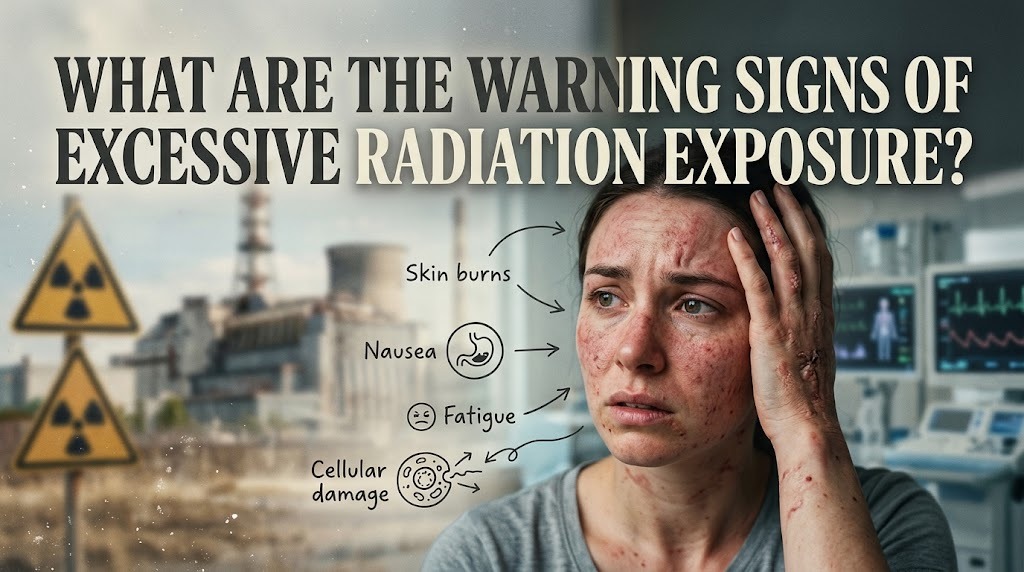
Radiation exposure affects human health depending on whether the energy is absorbed all at once or gradually over time. Acute radiation exposure occurs when a person receives a high dose of ionizing radiation over a very short period, leading to immediate biological responses known as Acute Radiation Syndrome (ARS).
In contrast, long-term or cumulative exposure involves receiving lower doses over months or years. Understanding both immediate physical symptoms and long-term biological indicators helps healthcare professionals identify radiation damage early and apply effective medical care.
EARLY PHYSICAL SYMPTOMS OF ACUTE EXPOSURE
The earliest warning signs of severe, acute radiation exposure usually appear within hours after exposure to high doses of ionizing rays. These initial physical responses occur because radiation rapidly disrupts sensitive, fast-dividing cells in the digestive tract and central nervous system.
- Nausea and Vomiting: Often the very first indicator, occurring within minutes to hours after high-dose exposure.
- Severe Fatigue and Dizziness: Caused by sudden systemic stress and neurological disturbance.
- Unexplained Headaches: Indicating elevated blood pressure or neurological reactions to acute radiation doses.
The timing and severity of these early symptoms provide doctors with vital clues regarding the total absorbed radiation dose.
CUTANEOUS RADIATION INJURY (SKIN SIGNS)
When the skin is exposed to excessive radiation levels, visible dermatological changes develop in a pattern known as Cutaneous Radiation Injury (CRI). Because skin cells divide rapidly, they are sensitive to high-energy alpha, beta, or gamma radiation.
Initial skin reactions often resemble severe sunburn without heat exposure, accompanied by noticeable swelling and redness. Over days or weeks, affected areas may develop painful blistering, skin peeling, or delayed tissue damage, requiring specialized medical treatment to promote healthy tissue healing.
SYSTEMIC AND INTERNAL WARNING SIGNS
Following the initial onset of symptoms, acute radiation exposure can cause deeper internal and hematological complications. These systemic effects develop as damaged bone marrow struggles to produce healthy blood cells.
- Drop in White Blood Cells: Significantly weakens the immune system, increasing vulnerability to infections.
- Unexplained Bruising or Bleeding: Caused by a sudden reduction in blood-clotting platelets.
- Gastrointestinal Distress: Severe abdominal pain and diarrhea due to damage along the stomach and intestinal lining.
Medical monitoring through frequent blood tests is crucial for tracking cell counts and preventing secondary medical complications.
LONG-TERM WARNING SIGNS OF CUMULATIVE EXPOSURE
Cumulative or lower-dose exposure does not produce immediate illness but can manifest as gradual health changes over many years. When cellular DNA is repeatedly exposed to ionizing energy, unrepaired damage can lead to cellular mutations.
Key long-term warning signs include unexplained chronic fatigue, persistent anemia, or changes in skin pigmentation. Over extended periods, chronic overexposure increases the statistical likelihood of developing conditions like cataracts or abnormal cellular growths, emphasizing the need for regular health screenings.
WHEN TO SEEK IMMEDIATE MEDICAL EVALUATION
If an individual suspects exposure to high radiation levels—whether from industrial accidents, unshielded sources, or emergency events—seeking immediate medical evaluation is essential. Healthcare providers use specialized diagnostic tools to determine the precise exposure level and begin decontamination protocols if necessary.
Early medical intervention can mitigate internal damage through specialized medications that help bind radioactive elements or stimulate blood cell production. Prompt action remains the most critical factor in improving outcomes for individuals suffering from excessive radiation exposure.
CONCLUSION
In conclusion, warning signs of excessive radiation exposure range from immediate symptoms like nausea, fatigue, and skin redness to long-term hematological changes. Recognizing these physical indicators allows medical teams to deliver timely, lifesaving care.
While everyday exposure to background radiation is completely harmless, understanding acute warning signs ensures fast response during emergency scenarios. Proper medical evaluation, monitoring, and safety protocols remain essential for managing radiation safety effectively.
Recent Posts

Bagaimana Sistem SKS pada Program Kuliah... 22.11.2026/53 View

How Does Technology Make Daily Evaluation... 21.11.2026/82 View

Apa Strategi Menghadapi Kesenjangan antara Kompetensi... 21.11.2026/81 View

Mengapa Inventaris Aset Penting bagi Kelancaran... 21.11.2026/77 View

When Should Musicians Join a Record... 21.11.2026/82 View
