

What Business Sectors Have the Greatest Potential for Regional Government Owned Enterprises?
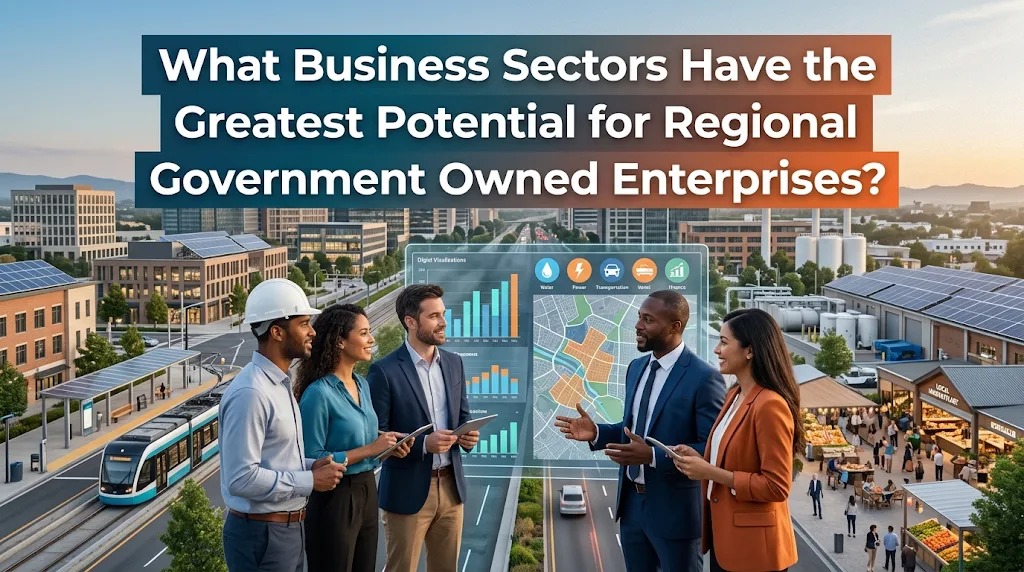
Regional Government Owned Enterprises, commonly known as BUMD (Badan Usaha Milik Daerah) in Indonesia, have significant opportunities to support regional economic development through various business sectors. These enterprises are established to manage regional resources, provide essential public services, create employment opportunities, and increase Regional Original Revenue.
The potential of each business sector depends on regional conditions, natural resources, population needs, infrastructure, and market demand. Some regions have strong agricultural potential, while others have opportunities in tourism, transportation, energy, and financial services. By identifying suitable business sectors, Regional Government Owned Enterprises can develop sustainable businesses and provide greater benefits to local communities.
AGRICULTURE AND FOOD INDUSTRY
Agriculture and the food industry are among the business sectors with significant potential for Regional Government Owned Enterprises. Many regions in Indonesia have agricultural resources, including rice, vegetables, fruits, livestock, and fisheries. These resources create opportunities for BUMD to participate in food production, processing, storage, and distribution.
Regional enterprises can help farmers access wider markets by developing partnerships with agricultural producers and local distributors. They can also invest in storage facilities, food processing equipment, and distribution networks to reduce supply chain problems. These activities can improve product quality, maintain food availability, and create additional economic opportunities for local communities.
The food industry also offers opportunities to develop products with higher commercial value. For example, agricultural products can be processed into packaged foods, frozen products, and other marketable goods. Through proper business planning and cooperation with local producers, BUMD can strengthen regional food industries while supporting economic development.
TOURISM AND HOSPITALITY
Tourism is another promising sector for Regional Government Owned Enterprises, especially in areas with attractive natural landscapes, cultural heritage, and recreational destinations. Indonesia has many tourism opportunities, including beaches, mountains, historical locations, and traditional cultural attractions. These resources can become important economic assets when managed effectively.
BUMD can participate in tourism development by managing recreational facilities, accommodation businesses, tourist attractions, and supporting infrastructure. They can also cooperate with local communities and private businesses to develop tourism products that reflect regional characteristics. Better facilities and professional management can improve visitor experiences and encourage longer stays.
Tourism development can also benefit other local industries. Increased visitor numbers can create demand for transportation, restaurants, accommodation, handicrafts, and local products. As a result, investment in tourism can generate employment opportunities and increase income for businesses operating around tourist destinations.
TRANSPORTATION AND INFRASTRUCTURE
Transportation and infrastructure have considerable potential because they support economic activities and public mobility. Regional Government Owned Enterprises can develop transportation services that connect residential areas, business centers, tourism destinations, and industrial locations. These services are particularly important in regions experiencing population growth and increasing transportation demand.
Business opportunities in this sector include public buses, regional transportation networks, parking facilities, terminal management, and supporting infrastructure. BUMD can also explore the development of modern transportation systems and digital payment services to improve operational efficiency. However, investment decisions must consider construction costs, passenger demand, maintenance requirements, and long-term financial sustainability.
Well-managed transportation businesses can provide benefits beyond their direct revenue. Better connectivity can help businesses distribute products, improve access to employment, and support regional trade. Therefore, transportation and infrastructure development can become important drivers of local economic growth.
RENEWABLE ENERGY AND ENVIRONMENTAL SERVICES
Renewable energy is an increasingly important business opportunity for Regional Government Owned Enterprises. Many regions have natural resources that can support renewable energy development, including sunlight, water, wind, and organic waste. These resources create opportunities to develop energy projects that support local electricity needs and environmental sustainability.
BUMD can explore business activities related to solar power, small-scale hydropower, waste management, and other environmentally responsible services. For example, a regional enterprise may participate in developing solar energy facilities for public buildings or managing waste processing systems. Such projects can reduce environmental problems while creating potential long-term business opportunities.
However, renewable energy projects require careful financial and technical planning. Companies must evaluate investment costs, available technology, environmental impacts, operating requirements, and applicable regulations. Cooperation with experienced investors and technical partners can help reduce risks and improve project implementation.
BANKING AND FINANCIAL SERVICES
Banking and financial services remain important business sectors for Regional Government Owned Enterprises. Regional development banks provide financial support to individuals, small businesses, entrepreneurs, and other economic participants. Their services can help improve access to funding and encourage business activities within local communities.
Regional banks can develop opportunities through small business financing, digital banking, payment systems, and financial services for local industries. They can also support regional development projects through responsible lending and appropriate financial products. The growth of digital transactions creates additional opportunities to improve customer access and operational efficiency.
However, financial institutions must maintain strong risk management, cybersecurity, and financial supervision. They also need to compete with national banks and digital financial service providers. By improving technology and developing services that respond to regional needs, regional banks can strengthen their position in the financial industry.
CONCLUSION
Several business sectors offer significant potential for Regional Government Owned Enterprises, including agriculture, food processing, tourism, transportation, renewable energy, environmental services, and banking. Each sector provides different opportunities depending on regional resources, market demand, infrastructure, and investment capacity.
To develop these opportunities successfully, BUMD need professional management, realistic business planning, adequate financing, and effective cooperation with local communities and private businesses. By choosing sectors that match regional strengths, Regional Government Owned Enterprises can create sustainable business opportunities, improve public services, and strengthen local economic development.
Recent Posts

Bagaimana Sistem SKS pada Program Kuliah... 22.11.2026/35 View

How Does Technology Make Daily Evaluation... 21.11.2026/69 View

Apa Strategi Menghadapi Kesenjangan antara Kompetensi... 21.11.2026/70 View

Mengapa Inventaris Aset Penting bagi Kelancaran... 21.11.2026/67 View

When Should Musicians Join a Record... 21.11.2026/69 View
