

What Can Robots Reveal About Solar Panel Defects?
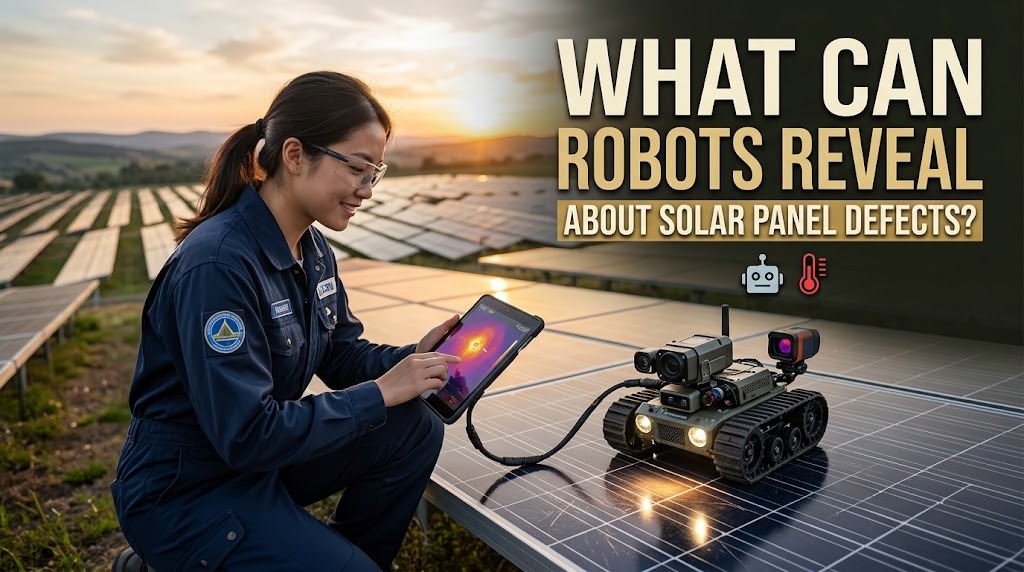
Solar panels convert sunlight into electricity, but their performance can decline when components become damaged or deteriorate over time. Detecting these problems early is essential for maintaining energy production and preventing costly repairs. Robotic inspection systems help technicians examine large solar installations more efficiently by using cameras, thermal imaging, and specialized sensors. These technologies can reveal defects that are difficult to identify through ordinary visual inspections.
DETECTING HOTSPOTS THROUGH THERMAL IMAGING
Hotspots occur when certain areas of a solar panel become significantly hotter than surrounding sections. They may result from damaged cells, electrical mismatches, shading, or other operating problems. Robots equipped with infrared cameras can scan panels and identify unusual temperature patterns. These thermal images help technicians locate areas that require further investigation. However, temperature differences alone do not always confirm a specific defect, so additional testing may be necessary.
IDENTIFYING CRACKS AND PHYSICAL DAMAGE
Solar panels can develop cracks because of manufacturing issues, transportation damage, installation errors, or mechanical stress. Some cracks are difficult to detect without specialized imaging equipment. Robots equipped with high-resolution cameras can capture detailed images of panel surfaces and identify visible fractures, broken glass, damaged frames, and other abnormalities. More advanced systems may use electroluminescence imaging under suitable conditions to reveal certain cell cracks that ordinary cameras cannot detect. Early identification helps maintenance teams determine whether a panel needs repair or replacement.
FINDING DIRT, DUST, AND SHADING PROBLEMS
Dust, bird droppings, leaves, and other debris can block sunlight from reaching solar cells. Nearby trees, buildings, or equipment may also create shading that reduces electricity generation. Inspection robots can identify dirty surfaces and shading patterns by capturing images across large solar installations. Some systems combine visual observations with performance data to estimate the effect on energy output. This information helps maintenance teams prioritize cleaning and address avoidable shading problems.
DETECTING ELECTRICAL CONNECTION FAULTS
Electrical faults can develop in connectors, cables, junction boxes, and other components associated with solar panels. Loose connections and damaged wiring may increase electrical resistance, produce abnormal heating, or interrupt power generation. Robots equipped with thermal cameras can help identify suspicious temperature patterns around accessible electrical components. Specialized electrical measurements and inspections are then used to confirm the cause. Because some faults are hidden inside components, robotic imaging should complement rather than replace appropriate electrical testing.
REVEALING DELAMINATION AND MOISTURE INGRESS
Solar panels contain protective layers that help shield photovoltaic cells from environmental exposure. Over time, these layers may separate, deteriorate, or allow moisture to enter the module. Such problems can affect electrical insulation, accelerate corrosion, and reduce long-term reliability. Robotic visual inspection may reveal bubbling, discoloration, damaged seals, or other visible signs of deterioration. Some defects require additional diagnostic methods because early-stage delamination and moisture ingress may not be clearly visible from the surface.
MONITORING SOLAR PANEL PERFORMANCE OVER TIME
Robots can collect inspection data repeatedly, allowing technicians to compare panel conditions across different periods. By combining images with temperature measurements and electrical performance records, maintenance teams can identify developing problems and unusual changes. Automated image analysis may help classify defects and highlight panels that require closer inspection. Consistent monitoring also supports maintenance planning and helps reduce unnecessary site visits. Reliable comparisons require accurate panel identification and consideration of changing weather, sunlight, and operating conditions.
IMPROVING INSPECTION SPEED AND SAFETY
Large solar farms may contain thousands of panels spread across extensive areas. Robotic platforms, including autonomous ground robots and aerial drones, can inspect these installations with less manual effort. Ground robots may travel between panel rows, while drones can capture thermal and visual images from above. These systems can reduce the need for technicians to access difficult or hazardous locations directly. Nevertheless, robots still require safe operating procedures, suitable weather conditions, and trained personnel to interpret inspection results.
USING ARTIFICIAL INTELLIGENCE TO ANALYZE DEFECTS
Artificial intelligence can help process the large volumes of images and sensor measurements collected by inspection robots. Image-analysis models can be trained to recognize patterns associated with cracks, hotspots, dirt accumulation, and other potential defects. Automated systems can then rank suspicious panels according to their apparent severity or maintenance priority. This reduces the amount of footage technicians must review manually. However, AI results depend on image quality, training data, and operating conditions, so human verification remains important for critical maintenance decisions.
CONCLUSION
Robots can reveal many solar panel problems, including hotspots, physical cracks, contamination, electrical abnormalities, and visible signs of material deterioration. Thermal cameras, high-resolution imaging, specialized sensors, and AI-based analysis help maintenance teams detect potential faults across large installations. Although not every defect can be confirmed through robotic inspection alone, these systems improve monitoring efficiency and support more targeted maintenance. Regular robotic inspections can therefore help solar operators protect equipment reliability and maintain energy production.
Recent Posts

Bagaimana Sistem SKS pada Program Kuliah... 22.11.2026/49 View

How Does Technology Make Daily Evaluation... 21.11.2026/76 View

Apa Strategi Menghadapi Kesenjangan antara Kompetensi... 21.11.2026/78 View

Mengapa Inventaris Aset Penting bagi Kelancaran... 21.11.2026/74 View

When Should Musicians Join a Record... 21.11.2026/78 View
