

What Can Schools Do to Prepare Students for Disasters?
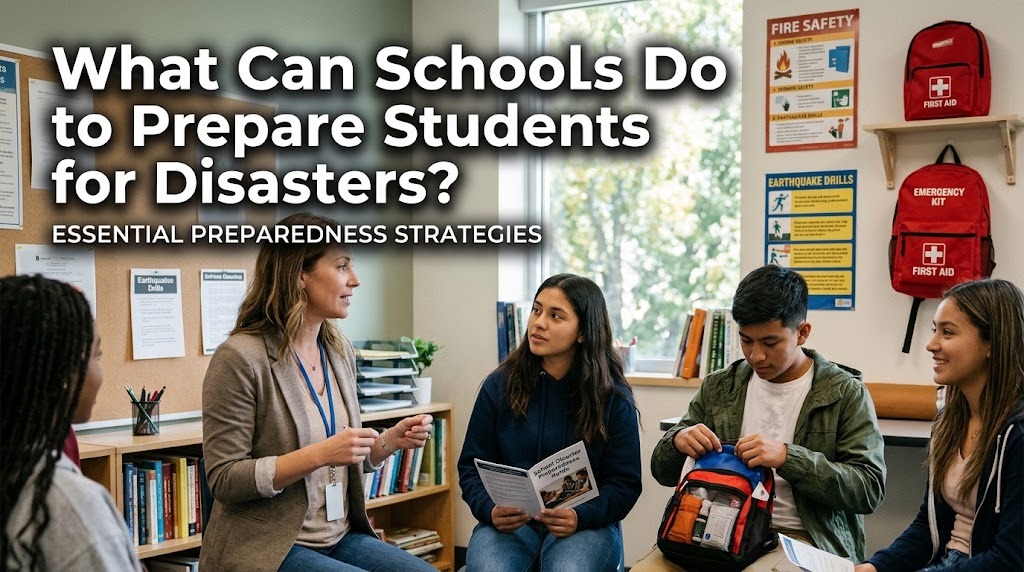
Disasters such as earthquakes, floods, fires, landslides, and volcanic eruptions can threaten the safety of students and school staff. Educational institutions are particularly important during emergencies because they bring together many people in one location. Without proper preparation, students may become confused or panic when unexpected disasters occur.
Schools can reduce these risks by providing disaster education, organizing evacuation drills, improving building safety, and developing emergency response plans. These efforts help students understand potential hazards and learn how to respond appropriately. By creating a disaster-ready school environment, educational institutions can protect students and strengthen community awareness.
PROVIDING DISASTER EDUCATION IN CLASSROOMS
One important step is introducing disaster education into classroom activities. Students should learn about different types of disasters, their causes, warning signs, and possible impacts on their surroundings.
Teachers can explain how earthquakes, floods, fires, and other emergencies occur using lessons, videos, discussions, and practical examples. This knowledge helps students recognize dangerous situations and understand why preparation is necessary. Disaster education also encourages students to take responsibility for their own safety and the well-being of others.
ORGANIZING REGULAR EVACUATION DRILLS
Evacuation drills help students practice what to do when a disaster occurs. Schools can organize simulations for earthquakes, fires, and other hazards that are relevant to their locations.
During these activities, students learn how to follow instructions, use designated evacuation routes, and gather at safe assembly points. Teachers and school staff can also evaluate how quickly students respond and identify problems in the evacuation process. Regular practice helps reduce confusion and improves readiness during real emergencies.
DEVELOPING CLEAR SCHOOL EMERGENCY PLANS
Every school should have an emergency response plan that explains what students, teachers, and staff must do during different types of disasters. The plan should identify emergency contacts, evacuation procedures, assembly points, and responsibilities for coordinating assistance.
Schools should also establish communication procedures for informing parents and guardians about emergencies. Clear instructions help prevent misinformation and ensure that everyone understands the appropriate response. Emergency plans should be reviewed and updated whenever school conditions or local disaster risks change.
IMPROVING SCHOOL BUILDING SAFETY
School buildings should be designed, inspected, and maintained according to applicable safety standards. Structural conditions, electrical installations, fire protection equipment, and emergency exits need regular attention.
Schools in earthquake-prone areas should prioritize earthquake-resistant construction and secure heavy furniture or equipment that could fall during shaking. In flood-prone locations, important facilities and electrical systems may require additional protection. These measures can reduce physical hazards and make school environments safer.
PROVIDING EMERGENCY EQUIPMENT AND FIRST AID
Schools should prepare emergency equipment that can support students and staff during unexpected situations. Essential supplies may include first-aid kits, fire extinguishers, flashlights, emergency communication devices, and drinking water.
Teachers and designated staff should receive basic first-aid training so they can provide initial assistance when needed. Emergency supplies should be stored in accessible locations and checked regularly to ensure they remain usable. Proper preparation can help schools respond more effectively while waiting for professional emergency services.
TEACHING STUDENTS TO RECOGNIZE WARNING SIGNS
Students should understand the natural and official warning signs associated with different disasters. For example, unusual water levels may indicate a potential flood, while strong or prolonged ground shaking near the coast can signal a possible tsunami threat.
Schools should teach students to follow official alerts and avoid relying on unverified information. They should also explain that some disasters develop with little warning, making prior preparation especially important. Recognizing warning signs helps students respond more quickly and make safer decisions.
SUPPORTING STUDENTS WITH SPECIAL NEEDS
Disaster preparedness should include every student, including those with physical disabilities, sensory impairments, or medical conditions. Some students may require additional assistance, accessible evacuation routes, or specific emergency arrangements.
Schools can assign trained staff or support teams to assist students who need help during evacuation. Emergency plans should also consider accessible shelters, clear visual instructions, and communication methods suitable for different needs. Inclusive preparation ensures that no student is overlooked during an emergency.
INVOLVING PARENTS AND LOCAL COMMUNITIES
Disaster preparedness becomes more effective when schools cooperate with parents, local communities, and emergency management agencies. Parents should understand school evacuation procedures, communication channels, and student pickup arrangements during emergencies.
Schools can invite firefighters, health workers, and disaster management professionals to provide training and demonstrations. Collaboration with neighborhood organizations can also improve coordination when disasters affect both schools and surrounding residential areas. These partnerships create a stronger network of support for students.
USING TECHNOLOGY TO IMPROVE DISASTER AWARENESS
Technology can support disaster education and emergency communication. Schools may use digital learning materials, weather information, earthquake monitoring updates, and official early warning applications to help students understand potential hazards.
Digital maps can also show nearby evacuation routes, flood-prone areas, and designated safe locations. However, schools should not depend entirely on internet-based systems because electricity and communication networks may become unavailable during emergencies. Printed instructions, warning bells, and direct communication procedures should remain available as alternatives.
BUILDING A CULTURE OF DISASTER PREPAREDNESS
Disaster preparedness should not be limited to occasional training sessions. Schools can develop a safety culture by including emergency awareness in daily activities, classroom discussions, and extracurricular programs.
Student organizations can participate in safety campaigns, environmental activities, and preparedness projects. Teachers can encourage students to share reliable information with their families and communities. Consistent education helps make disaster awareness part of everyday school life.
CONCLUSION
Schools can prepare students for disasters through education, evacuation drills, emergency planning, building inspections, and first-aid training. They should also teach students to recognize warning signs, support those with special needs, and cooperate with parents and local emergency agencies.
Disaster preparedness is a shared responsibility that requires continuous practice and evaluation. By creating a safe learning environment and strengthening students' knowledge, schools can reduce emergency risks and help protect lives.
Recent Posts

Bagaimana Sistem SKS pada Program Kuliah... 22.11.2026/37 View

How Does Technology Make Daily Evaluation... 21.11.2026/70 View

Apa Strategi Menghadapi Kesenjangan antara Kompetensi... 21.11.2026/73 View

Mengapa Inventaris Aset Penting bagi Kelancaran... 21.11.2026/68 View

When Should Musicians Join a Record... 21.11.2026/71 View
