

What Career Opportunities Are Available for Radio Announcers?
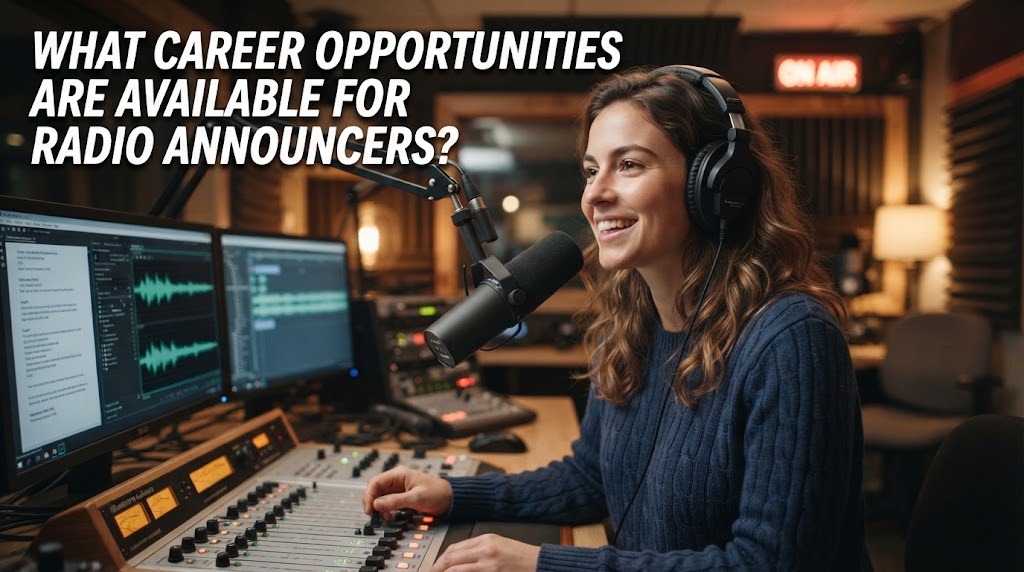
A career as a radio announcer can provide opportunities in broadcasting, entertainment, journalism, digital media, and communication. Radio announcers develop valuable skills such as public speaking, interviewing, storytelling, voice control, and audience engagement. These skills can be used in many professions beyond traditional radio stations. As media technology continues to develop, radio professionals can also explore opportunities through podcasts, streaming platforms, social media, and other digital channels.
The career path of a radio announcer can vary depending on experience, interests, and professional skills. Some people prefer to focus on music programs, while others become news presenters, talk show hosts, or interviewers. Others may use their broadcasting experience to work as voice-over artists, event hosts, content creators, or media professionals. Understanding these career options can help aspiring announcers plan their professional development more effectively.
RADIO ANNOUNCER AT BROADCASTING STATIONS
Working as a radio announcer at a broadcasting station is the most direct career opportunity in this field. Announcers may present music programs, entertainment shows, news segments, talk shows, or specialized programs. Their responsibilities can include introducing content, communicating with listeners, conducting interviews, and maintaining the flow of a program. Some announcers specialize in particular subjects, while others handle different types of programs.
Experience at a radio station can also provide opportunities for career advancement. An announcer may eventually take on greater responsibilities in program planning or production. Strong performance, professionalism, and audience engagement can help build a positive reputation within the broadcasting industry. Building practical experience is therefore an important step for people who want to develop a long-term career in radio.
NEWS RADIO PRESENTER
Radio announcers with strong research and communication skills can pursue careers as news presenters. News presenters deliver current information to audiences in a clear, concise, and professional manner. They may read prepared news scripts, introduce reports, interview sources, and provide updates during live broadcasts. Accuracy and responsible communication are especially important because audiences may rely on their information.
This career requires more than having a good voice. A news presenter needs to understand the topics being discussed and distinguish reliable information from unverified claims. They should also be comfortable working under time pressure, especially when covering developing stories. Strong writing, research, pronunciation, and interviewing skills can help announcers succeed in this area.
TALK SHOW HOST
Another career opportunity is becoming a talk show host. Talk show hosts lead conversations about social issues, entertainment, lifestyle, education, business, or other topics that interest audiences. They may interview guests and encourage listeners to participate through calls or digital messages. The host is responsible for keeping conversations informative, engaging, and organized.
Successful talk show hosts usually have strong listening and questioning skills. They need to understand a guest's answers and develop relevant follow-up questions instead of simply reading a prepared list. They also need to manage different personalities and opinions during discussions. These abilities can make talk show hosting an attractive career for announcers who enjoy interactive communication.
PODCAST HOST
The growth of digital audio has created opportunities for radio announcers to become podcast hosts. Podcasting allows professionals to produce programs around specific subjects and reach audiences without relying entirely on traditional broadcast schedules. Radio experience can provide a strong foundation because announcers already understand voice delivery, storytelling, interviewing, and audio presentation. They can use these skills to create both independent and professional podcasts.
Podcast hosts can work on different types of content, including education, entertainment, business, lifestyle, news, and personal development. Some may produce podcasts independently, while others work with media companies or organizations. Building an audience often requires consistent content, good production quality, and effective promotion. Digital marketing and social media skills can therefore be useful for podcast professionals.
VOICE OVER ARTIST
Radio announcers can also work as voice-over artists. Their experience with pronunciation, vocal control, microphone technique, and different speaking styles can be useful for commercials, educational materials, videos, documentaries, and other audio productions. Voice-over work can provide opportunities for both freelance and professional projects.
A voice-over artist may need to change their tone according to the purpose of a project. A commercial may require an energetic delivery, while an educational video may need a calm and informative voice. Developing a versatile vocal style can increase the number of projects an announcer can handle. A professional demo recording is also commonly useful when presenting voice-over abilities to potential clients.
EVENT HOST AND MC
Radio announcers often have strong potential to work as event hosts or master of ceremonies. Their experience speaking confidently and maintaining audience attention can transfer naturally to live events. They may host seminars, conferences, product launches, entertainment events, educational activities, or corporate gatherings. This work can provide additional income as well as opportunities to expand professional networks.
An event host needs to understand the event schedule and communicate effectively with organizers, speakers, and audiences. They must also be able to respond to unexpected situations without disrupting the event. Radio experience can be particularly helpful because announcers are accustomed to working with timing and adapting their communication style. Professional appearance and interpersonal skills can further support success in this field.
DIGITAL CONTENT CREATOR
The skills of a radio announcer can also be applied to digital content creation. Many audiences now consume information through short videos, livestreams, podcasts, and social media content. Announcers can use their voice, personality, and communication abilities to create educational, entertaining, or informative digital content. Some may build personal brands around particular topics or areas of expertise.
Digital content creation requires additional skills such as basic video editing, content planning, social media communication, and audience analysis. Announcers who learn these skills can reach audiences beyond traditional radio listeners. Consistency and authenticity are important because digital audiences have many content choices. A strong combination of broadcasting and digital skills can create broader career opportunities.
MEDIA AND COMMUNICATION PROFESSIONAL
Experienced radio announcers can also move into broader media and communication positions. Their understanding of audiences, content production, public communication, and media operations can be useful in communication teams. Possible roles may include public relations, media relations, communications support, or content production. The exact requirements depend on the organization and position.
This career path can be particularly suitable for announcers who want to use their communication abilities outside broadcasting. Additional education or professional training may be useful for specialized positions. Experience working with media deadlines and public audiences can provide a valuable foundation. Strong writing and organizational skills can also improve career opportunities in this area.
FREELANCE BROADCASTING PROFESSIONAL
Radio announcers can develop freelance careers instead of working exclusively for one broadcasting organization. Freelancers may accept projects involving voice-over work, event hosting, podcast production, commercial recording, or digital content. This career model can provide greater flexibility in choosing projects and managing schedules. However, freelancers also need to manage clients, contracts, finances, marketing, and professional networking.
A strong portfolio is especially important for freelance professionals. It can demonstrate an announcer's voice quality, presentation style, interview ability, and previous work. Building relationships with clients and other media professionals can also lead to new opportunities. Professionalism and consistent quality are essential for developing long-term freelance work.
SKILLS FOR BUILDING A LONG TERM CAREER
Radio announcers who want to expand their career should continue improving both traditional and digital skills. Clear communication, public speaking, voice control, interviewing, research, and storytelling remain fundamental. Digital abilities such as social media management, audio editing, video production, and content strategy can provide additional advantages. Combining these skills can make professionals more adaptable to changes in the media industry.
Networking and portfolio development are also important for career growth. Joining media projects, attending professional events, and gaining practical experience can help announcers meet potential employers and collaborators. A well-organized portfolio can show what an announcer can do rather than relying only on a written resume. Continuous learning allows professionals to identify new opportunities as the media industry evolves.
CONCLUSION
Radio announcers have many career opportunities beyond working behind a traditional radio microphone. They can become news presenters, talk show hosts, podcast hosts, voice-over artists, event hosts, digital content creators, or media and communication professionals. Their core skills in speaking, storytelling, interviewing, and audience engagement can be transferred to many areas of the modern media industry.
The best career path depends on an individual's interests, abilities, and willingness to develop new skills. As digital media continues to grow, announcers who combine broadcasting expertise with technology and content creation skills can reach broader audiences. With practical experience, a strong portfolio, professional networking, and continuous learning, radio announcers can build flexible and sustainable careers.
Recent Posts

Bagaimana Sistem SKS pada Program Kuliah... 22.11.2026/35 View

How Does Technology Make Daily Evaluation... 21.11.2026/69 View

Apa Strategi Menghadapi Kesenjangan antara Kompetensi... 21.11.2026/69 View

Mengapa Inventaris Aset Penting bagi Kelancaran... 21.11.2026/67 View

When Should Musicians Join a Record... 21.11.2026/68 View
