

What Causes Invalid Student Data in the Dapodik System?
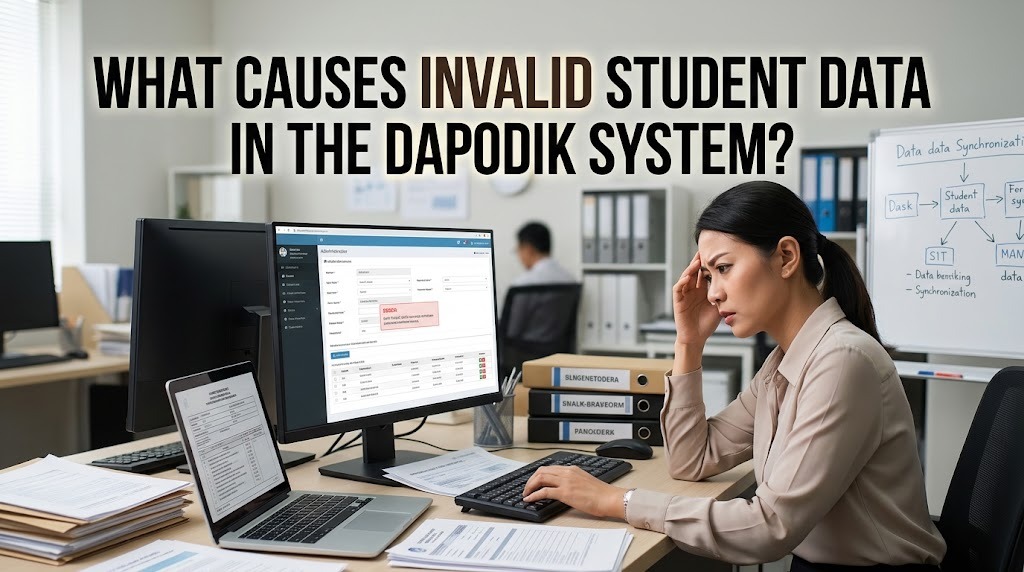
Dapodik, or the Basic Education Data System, is an important platform used to manage educational information in Indonesia. It stores various school records, including student identities, enrollment status, class assignments, and other educational information. Accurate student data is essential to ensure that school administration runs smoothly and that educational planning is based on reliable information. However, student data in Dapodik can sometimes become invalid because of incorrect entries, incomplete documents, inconsistent records, or technical problems. Understanding these causes helps schools identify errors, correct information, and maintain accurate educational data.
INCORRECT STUDENT PERSONAL INFORMATION
One of the most common causes of invalid student data in Dapodik is incorrect personal information. Errors may occur when entering a student's full name, national identification number, place of birth, date of birth, or other identity details. Even small differences between the information recorded in Dapodik and official documents can cause validation problems. For example, a student’s name or date of birth may differ from the information registered in the Family Card or other official records. These inconsistencies can make it difficult for the system to verify the student's identity accurately.
To prevent these problems, school operators should carefully compare student information with official documents before entering it into Dapodik. They should also review existing records regularly to identify typing mistakes or outdated information. Corrections must follow the applicable procedures, particularly when the data is connected to official population records. Accurate personal information helps schools maintain reliable student records and reduces the risk of repeated validation errors.
INCOMPLETE STUDENT DOCUMENTS
Incomplete supporting documents can also cause student data to become invalid. Schools generally need accurate information from documents such as birth certificates, Family Cards, and other required student records. When important information is missing, unclear, or inconsistent, school operators may have difficulty entering the correct details. This situation can lead to discrepancies between administrative records and the data submitted through Dapodik. Missing documents may also delay the verification and correction process.
Schools can reduce these problems by checking document completeness during student registration and data updates. Parents or guardians should be asked to provide the required documents and clarify any conflicting information. School operators must ensure that the information entered into the system matches the available official records. Proper document management makes the validation process more efficient and helps prevent recurring data errors.
DUPLICATE STUDENT IDENTIFICATION NUMBERS
Duplicate student records are another possible cause of invalid data in Dapodik. This problem can occur when a student is registered more than once, transfers between schools, or has an identification number entered incorrectly. Duplicate records may create confusion about a student's actual enrollment status and educational history. They can also complicate the process of updating student information and verifying the validity of school records. Therefore, schools need to identify duplicate entries and ensure that each student is associated with the correct record.
To address this issue, school operators should check existing student records before creating new entries. They must verify the student's identity and use the appropriate procedures when handling duplicate data or identification number discrepancies. If the problem involves a national student identification number, known as NISN, the school should follow the applicable verification and correction procedures. Careful record management helps maintain consistent student identities across educational databases.
INCONSISTENT ENROLLMENT AND CLASS INFORMATION
Invalid student data may also result from inconsistencies in enrollment status, class assignments, or school registration information. For example, a student may still appear in an old class after moving to another grade or may remain registered at a previous school after transferring. Incorrect enrollment status can make the student's current educational information inaccurate. Such errors may occur when school operators forget to update records or misunderstand the procedures for student transfers. As a result, the information in Dapodik may not reflect the student's actual situation.
Schools should update student records whenever important changes occur, including grade promotion, school transfers, withdrawals, or other changes in enrollment status. Before submitting data, operators should compare the system records with the school's attendance lists, class registers, and administrative documents. Any discrepancies should be investigated and corrected according to the applicable rules. Regular updates help ensure that Dapodik reflects students' current educational circumstances.
ERRORS DURING DATA ENTRY AND UPDATES
Human error during data entry is another significant factor that can cause invalid student data. School operators may accidentally enter incorrect numbers, select the wrong options, leave required fields empty, or overlook information that needs updating. Errors can also occur when data is copied from spreadsheets or transferred from older administrative records. When these mistakes remain undetected, the system may identify inconsistencies during validation. Repeated errors can increase the workload for school staff and delay the completion of data reporting.
A careful review process can help minimize these mistakes. Operators should check important student details before saving or submitting changes and ensure that all required fields are completed correctly. Using standardized data-entry procedures can also reduce differences in how information is recorded. Schools should assign sufficient time for verification rather than waiting until the reporting deadline. Consistent checking improves data quality and reduces the number of invalid records.
SYSTEM VALIDATION AND TECHNICAL PROBLEMS
Not every invalid data issue is caused by incorrect information entered by school operators. Some problems may arise from incomplete synchronization, application errors, outdated application versions, or temporary technical difficulties. Dapodik also applies validation rules that may flag records when required information is missing or when related data does not meet the system's requirements. In certain situations, a record may need to be updated or synchronized before its latest status is reflected correctly. However, technical problems should not automatically be assumed to be the cause without checking the validation message.
When a problem appears, school operators should read the validation results carefully and identify the specific field or requirement that needs attention. They should ensure that the application is updated according to official instructions and that synchronization is completed properly when required. If the issue persists despite correct data and appropriate procedures, they can consult the relevant education office or official technical support. Understanding the difference between data errors and technical issues helps schools choose the correct solution.
LACK OF REGULAR DATA VERIFICATION
A lack of regular verification can allow small errors to develop into more serious administrative problems. Student information may change over time because of grade promotion, transfers, corrections to personal details, or changes in enrollment status. If schools do not review their records regularly, outdated information can remain in Dapodik and cause validation issues. In addition, operators may overlook warnings when they are handling many administrative tasks at once. Regular verification is therefore essential for maintaining accurate and consistent student records.
Schools should establish a routine for checking student identities, enrollment information, class assignments, and validation results. They should prioritize records that contain warnings or inconsistencies and document any corrections that have been made. Coordination between school operators, teachers, school administrators, and parents can help ensure that information remains accurate. By making verification part of routine school administration, schools can reduce recurring errors and improve the reliability of their educational data.
KESIMPULAN
Invalid student data in Dapodik can be caused by incorrect personal information, incomplete documents, duplicate records, inconsistent enrollment details, data-entry mistakes, technical problems, and insufficient verification. These issues can affect the accuracy of school administration and make data reporting more difficult. To prevent them, schools need to verify official documents, update student records regularly, review validation messages, and follow the correct procedures for data corrections. Cooperation between school operators, teachers, administrators, and parents is also important. With careful data management and consistent verification, schools can maintain valid student information and support more effective educational planning.
Recent Posts

Bagaimana Sistem SKS pada Program Kuliah... 22.11.2026/50 View

How Does Technology Make Daily Evaluation... 21.11.2026/79 View

Apa Strategi Menghadapi Kesenjangan antara Kompetensi... 21.11.2026/79 View

Mengapa Inventaris Aset Penting bagi Kelancaran... 21.11.2026/75 View

When Should Musicians Join a Record... 21.11.2026/80 View
