

What Challenges Arise From Implementing School Zoning?
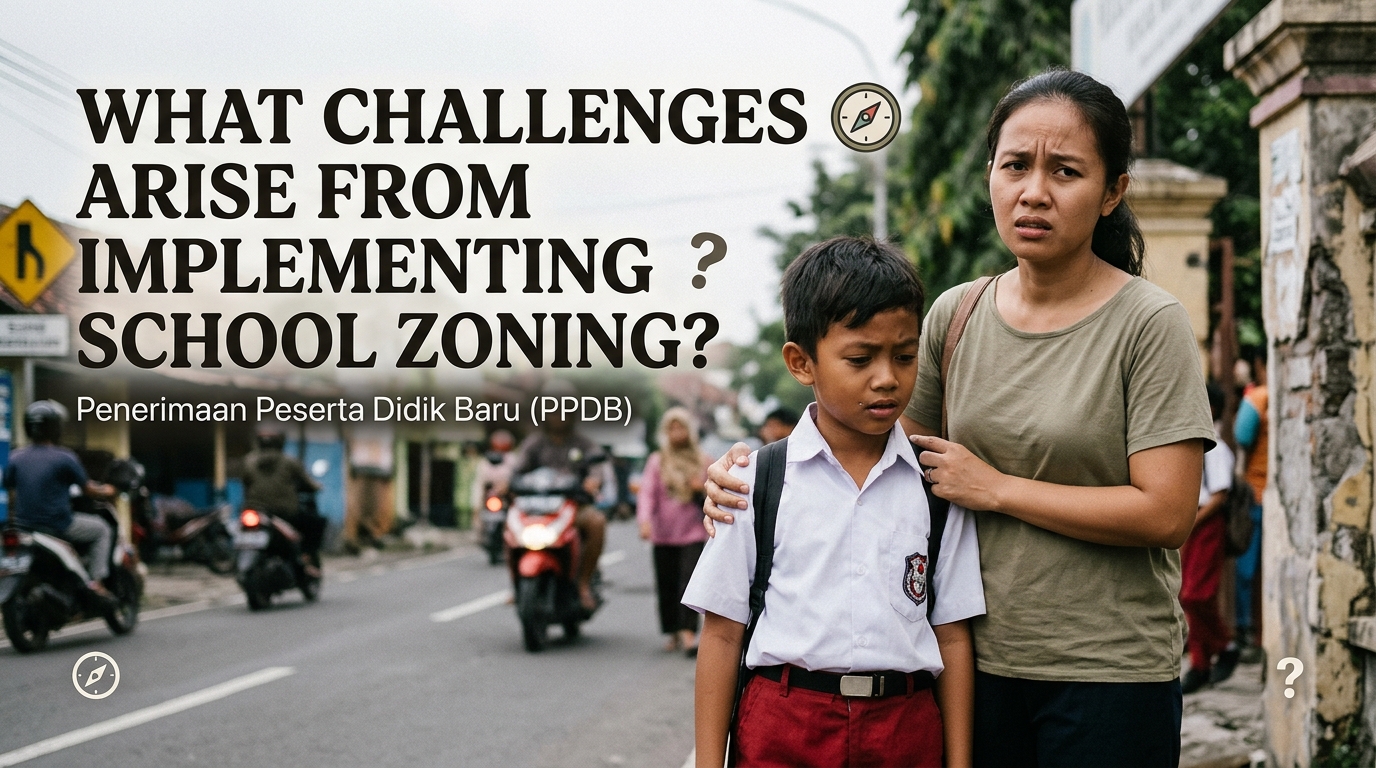
School zoning is an education policy that organizes student admission based on residential areas or designated geographic boundaries. This system aims to improve access to nearby schools, manage student enrollment, and support a more organized education system. However, implementing school zoning can create several challenges for students, parents, schools, and local governments. These challenges include differences in school quality, limited school capacity, residential inequality, and difficulties in applying admission rules fairly.
DIFFERENCES IN SCHOOL QUALITY
One of the main challenges of school zoning is the unequal quality of education between schools. Some schools have better facilities, more experienced teachers, and more learning resources than others. When admission depends partly on residential location, students may have limited access to schools outside their designated areas. This can create concerns among parents who want their children to attend schools with stronger academic programs or better facilities.
Differences in school quality can also affect public confidence in the admission system. Families may question the fairness of zoning if nearby schools provide fewer educational opportunities than schools in other neighborhoods. To address this problem, governments need to improve teacher distribution, school facilities, and learning resources across different areas. Equal access to quality education should remain a priority rather than focusing only on where students live.
LIMITED SCHOOL CAPACITY
Another significant challenge is the imbalance between the number of students and the number of available school places. Some residential areas have large populations of school-age children but insufficient school facilities. As a result, nearby schools may receive more eligible applicants than they can accommodate. This can lead to competition for admission even among students who live within the same designated area.
Limited capacity can create difficulties for families who expect their children to attend a nearby school. Students who are not admitted may need to consider other schools, depending on local regulations and available alternatives. Education authorities should regularly evaluate enrollment data and identify areas that require additional classrooms or new school buildings. Effective capacity planning is essential to ensure that school zoning does not leave students without suitable educational options.
UNEQUAL RESIDENTIAL CONDITIONS
School zoning often relies on residential location, but neighborhoods differ in population density, infrastructure, and access to public services. Some communities have several schools nearby, while others have limited educational facilities. Students living in densely populated areas may face greater competition for school places than those in areas with lower enrollment demand. These differences can make the implementation of zoning more complicated.
Residential inequality can also affect families who move frequently or live in areas with limited housing options. Some households may have fewer opportunities to choose where they live, which can influence the schools available to their children. To reduce these problems, authorities should consider population distribution, transportation access, and school availability when setting geographic boundaries. Fair residential-based admission policies require careful planning and regular evaluation.
RESTRICTED SCHOOL CHOICE
School zoning can limit the ability of families to choose a school outside their designated area. Parents may prefer a particular school because of its teaching approach, extracurricular activities, academic programs, or specialized support services. However, residential-based admission priorities may make it more difficult for their children to enter that school. The extent of this limitation depends on local regulations and whether alternative admission pathways are available.
Restricted choice can become especially challenging when a nearby school does not meet a student's particular educational needs. For example, a student may require a specialized program that is offered only at another institution. Education authorities should provide clear information about admission alternatives and explain the conditions under which transfers or exceptions may be considered. Balancing school choice with fair access is important when designing an effective admission system.
TRANSPORTATION AND DISTANCE PROBLEMS
Although school zoning often aims to make education more accessible, geographic boundaries do not always guarantee convenient journeys. A school may be relatively close to a student's home but difficult to reach because of poor roads, limited public transportation, or unsafe walking routes. Natural barriers and traffic conditions can also affect daily travel. These issues may create additional difficulties for students and their families.
Transportation challenges can be more serious for students with disabilities or families without private vehicles. Even when students qualify for a nearby school, they may still need reliable transportation to attend regularly. Authorities should consider actual travel conditions instead of relying only on residential distance. Safe routes and accessible transportation should be part of school planning to ensure that zoning genuinely improves access to education.
DIFFICULTIES IN VERIFYING RESIDENTIAL ADDRESSES
School zoning requires reliable information about where students live. Education authorities may need to verify residential documents to determine whether applicants meet the requirements for a particular admission area. Problems can arise when records are outdated, documents contain inconsistent information, or families have recently moved. These situations can delay admission decisions and create uncertainty for parents.
Another concern is the possibility of inaccurate residential information being used to obtain admission priority. If verification procedures are weak, families who follow the rules may feel disadvantaged. However, verification must also protect students and avoid unfairly excluding families who have legitimate documentation difficulties. Transparent verification procedures, clear requirements, and accessible complaint mechanisms can help maintain public trust.
INCREASING THE ADMINISTRATIVE BURDEN
Implementing school zoning requires education authorities and schools to manage geographic boundaries, enrollment data, admission applications, and residential verification. These tasks can place considerable pressure on staff, especially when applicant numbers are high. Schools must also communicate requirements, process documents, and respond to questions from parents. Without sufficient resources, administrative work may become slow or inconsistent.
Problems can increase when admission rules change frequently or information is not communicated clearly. Parents may misunderstand eligibility requirements, while schools may struggle to provide consistent explanations. Authorities can reduce these difficulties by using reliable digital systems, training staff, and publishing straightforward admission guidelines. Efficient administration and clear communication are necessary for a fair and organized enrollment process.
ADDRESSING THE NEEDS OF DISADVANTAGED STUDENTS
School zoning may affect disadvantaged students differently depending on where they live and the resources available in their communities. Students from low-income households may benefit from access to nearby public schools, but they may also face difficulties if local institutions lack teachers or adequate facilities. Students with disabilities may encounter additional barriers when nearby schools cannot provide accessible buildings or appropriate support services. These differences show that residential location alone cannot determine whether educational access is genuinely fair.
Authorities must ensure that admission policies consider students' individual circumstances and applicable legal protections. This may include reasonable accommodations, appropriate educational support, and alternative arrangements when necessary. Schools in underserved communities also need sufficient funding and qualified staff. Inclusive and equitable education requires policies that address barriers rather than simply assigning students to schools based on location.
HOW TO OVERCOME SCHOOL ZONING CHALLENGES
Overcoming school zoning challenges requires cooperation between governments, schools, parents, and local communities. Authorities should improve the quality of schools across neighborhoods so that students have access to suitable learning environments regardless of their residential location. They should also monitor school capacity, update geographic boundaries when necessary, and provide accurate information about admission requirements. These measures can help reduce overcrowding and prevent avoidable confusion.
In addition, admission systems should include transparent procedures for handling exceptional circumstances and resolving complaints. Reliable enrollment data can help governments identify areas with limited school places or inadequate educational facilities. Regular evaluations should examine school quality, travel conditions, admission outcomes, and the experiences of disadvantaged students. Continuous improvement and public accountability can make school zoning more responsive to community needs.
SCHOOL ZONING IN INDONESIA
In Indonesia, residential location is considered through the domisili pathway under the Sistem Penerimaan Murid Baru (SPMB) framework, subject to the rules applicable to the relevant education level and region. The specific admission pathways, eligibility criteria, selection procedures, and implementation details may vary according to current regulations and local policies. Therefore, families should not assume that residential distance is the only factor determining admission.
Challenges can arise when demand exceeds school capacity, residential documents require verification, or families are unfamiliar with the admission process. Local education authorities need to communicate the applicable rules clearly and provide reliable information about available schools. Parents should consult official announcements from their local education office or the relevant school for current requirements and deadlines. Accurate information and transparent implementation can help reduce confusion and improve public confidence in the system.
CONCLUSION
Implementing school zoning presents several challenges, including differences in school quality, limited capacity, unequal residential conditions, restricted school choice, and transportation barriers. Administrative difficulties and the needs of disadvantaged students can also affect how fairly the policy works. These challenges demonstrate that residential-based admission alone cannot guarantee equal educational opportunities.
To make school zoning more effective, governments must invest in school facilities, improve teacher distribution, maintain transparent admission procedures, and provide appropriate support for students with different needs. Regular evaluation and community involvement are also essential. Ultimately, the main goal should be fair access to quality education for every student, regardless of where they live.
Recent Posts

Bagaimana Sistem SKS pada Program Kuliah... 22.11.2026/57 View

How Does Technology Make Daily Evaluation... 21.11.2026/86 View

Apa Strategi Menghadapi Kesenjangan antara Kompetensi... 21.11.2026/84 View

Mengapa Inventaris Aset Penting bagi Kelancaran... 21.11.2026/82 View

When Should Musicians Join a Record... 21.11.2026/86 View
