

What Challenges Do Children from Broken Homes Commonly Face?
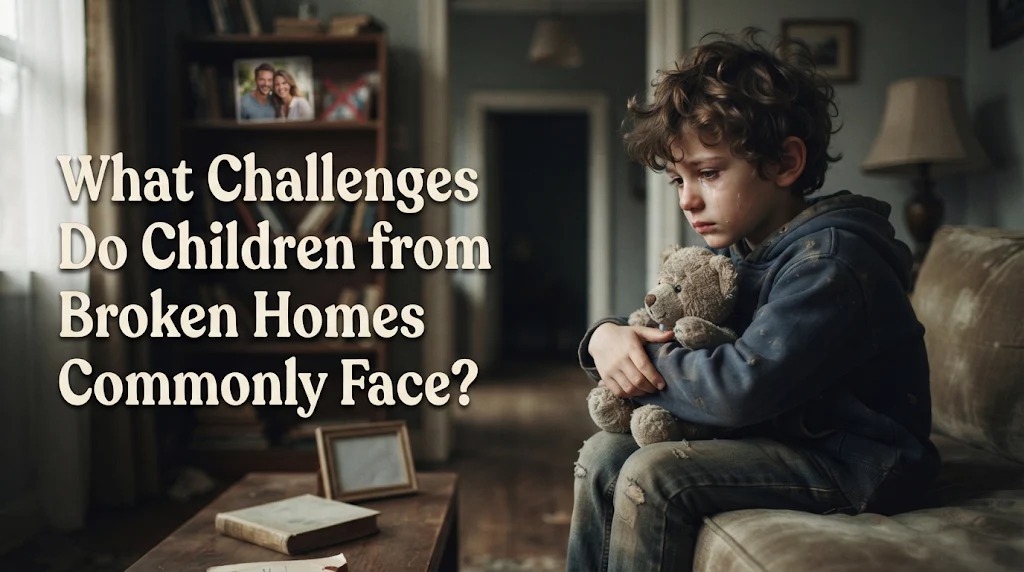
Children from broken homes often face various challenges that can influence their emotional, psychological, social, and academic development. Family problems such as parental divorce, separation, frequent arguments, or a lack of parental attention can create difficult experiences during childhood. Since parents play an important role in providing love, protection, and guidance, changes in family relationships may make children feel confused, insecure, or neglected.
However, every child responds differently to family problems. Some may experience emotional difficulties, while others can adapt more easily with the right support. Understanding the common challenges faced by children from broken homes is important to help parents, teachers, and caregivers provide the attention and guidance they need.
EMOTIONAL DISTRESS AND FEELINGS OF LONELINESS
One of the most common challenges faced by children from broken homes is emotional distress. They may experience sadness, anger, disappointment, or confusion because their family situation is different from what they expected. Some children struggle to understand why their parents separated or why conflicts continue at home. These experiences can make them feel emotionally overwhelmed, especially when they do not have someone they trust to talk to.
Feelings of loneliness may also develop when children receive less attention from their parents. They might feel that nobody understands their situation or cares about their emotional needs. In some cases, children choose to hide their feelings because they do not want to create additional problems for their families. Having supportive adults who listen without judging can help children express their emotions and feel less alone.
LOW SELF-CONFIDENCE AND INSECURITY
Children from broken homes may struggle with self-confidence because of the difficult experiences they face within their families. Some children mistakenly believe that their parents' separation is their fault. This misunderstanding can lead to guilt, shame, and negative thoughts about themselves. They may also compare their family situation with others and feel different or less fortunate.
Insecurity can affect their ability to communicate and participate in social activities. For example, they may hesitate to make friends, express opinions, or try new experiences because they are afraid of rejection. Some children also become overly dependent on other people's approval. Parents and caregivers should help them understand that family problems are not caused by children's mistakes and that their value does not depend on their family circumstances.
DIFFICULTIES BUILDING TRUST AND HEALTHY RELATIONSHIPS
Another challenge is developing trust in relationships. Children who frequently witness parental conflicts, broken promises, or separation may become afraid of experiencing similar situations with other people. They might find it difficult to believe that friendships and relationships can remain stable over time. These concerns can influence how they interact with friends, relatives, and future partners.
Some children respond by becoming emotionally distant, while others may seek constant attention and reassurance. Both reactions can make relationships more challenging. They may also become sensitive to disagreements because conflicts remind them of unpleasant experiences at home. Positive relationships with trustworthy people can gradually help children develop a healthier understanding of love, commitment, communication, and trust.
BEHAVIORAL PROBLEMS AND SOCIAL PRESSURE
Family difficulties can sometimes appear through changes in children's behavior. Some children become quiet, withdrawn, or less interested in activities they previously enjoyed. Others may express frustration through anger, disobedience, or aggressive behavior. These reactions can be signs that children are struggling to manage emotions they cannot easily communicate.
Social pressure can make the situation more difficult. Children may feel embarrassed about their family circumstances, especially when classmates discuss their parents or family activities. Some may experience teasing, negative comments, or unfair judgments from people around them. A supportive school environment is important to prevent discrimination and help children feel accepted regardless of their family background.
ACADEMIC DIFFICULTIES AND LACK OF MOTIVATION
Children from broken homes may experience difficulties maintaining their academic performance. Stress caused by family conflicts can interfere with their concentration, memory, and ability to complete school assignments. They may spend more time thinking about problems at home than focusing on classroom activities. As a result, their grades or participation in school may decrease.
A lack of parental supervision and encouragement can also affect their learning habits. Some children may struggle to manage their study schedules because family responsibilities or changes in living arrangements disrupt their routines. However, academic difficulties are not experienced by every child from a broken home. Supportive teachers, consistent study routines, and positive encouragement can help children maintain their motivation and educational progress.
FINANCIAL PROBLEMS AND LIMITED PARENTAL ATTENTION
Parental separation can sometimes create financial challenges for families. When children live with only one parent, household expenses may become more difficult to manage. Parents may need to work longer hours to provide for their families, leaving less time for communication and daily activities with their children. These circumstances can affect children's access to educational resources, extracurricular activities, and other important needs.
Limited parental attention can also make children feel neglected, even when parents are working hard to support them. They may need more guidance, emotional reassurance, and supervision during important stages of development. Therefore, parents should make an effort to maintain meaningful communication and spend quality time with their children. Cooperation between parents, relatives, and caregivers can help create a more stable environment.
CONCLUSION
Children from broken homes commonly face emotional distress, loneliness, low self-confidence, trust issues, behavioral changes, academic difficulties, and financial challenges. These experiences can influence their development, but they do not determine their future. Every child has different needs and ways of coping with family problems. With love, understanding, consistent attention, and support from parents, teachers, and trusted adults, children can overcome many challenges and develop into confident and emotionally healthy individuals.
Recent Posts

How Does Technology Make Daily Evaluation... 21.11.2026/57 View

Apa Strategi Menghadapi Kesenjangan antara Kompetensi... 21.11.2026/59 View

Mengapa Inventaris Aset Penting bagi Kelancaran... 21.11.2026/54 View

When Should Musicians Join a Record... 21.11.2026/54 View

Daily Evaluation or Daily Planning Which... 21.11.2026/61 View
