

What Challenges Do Employees Often Face During Business Trips?
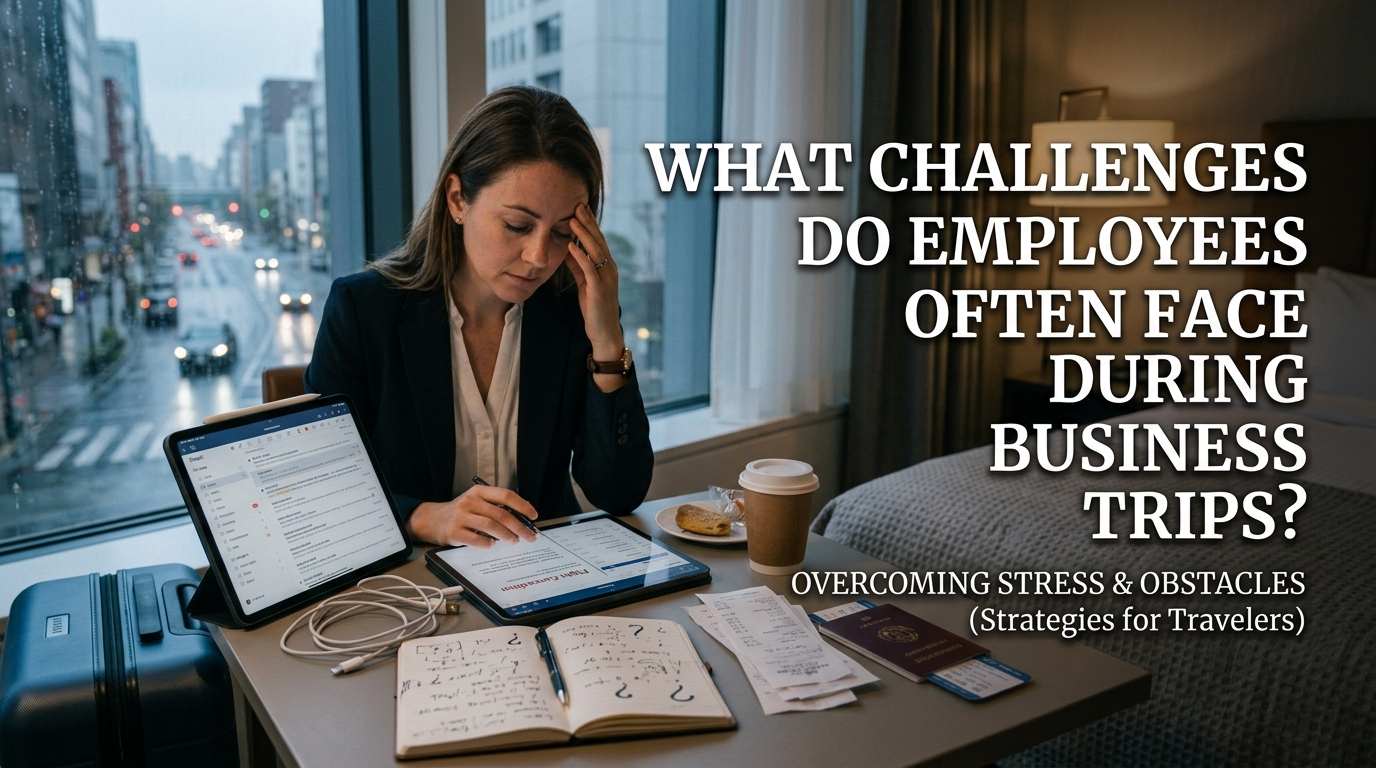
Business trips give employees opportunities to meet clients, attend meetings, visit company branches, and develop professional relationships. However, traveling for work can also create challenges that affect productivity, comfort, and overall performance. Employees may experience transportation delays, unexpected expenses, communication problems, or difficulties adapting to unfamiliar environments. These challenges can become more complicated when travel schedules are tight or plans change suddenly. Understanding common business travel challenges helps employees prepare better and handle unexpected situations more effectively.
TRANSPORTATION DELAYS AND SCHEDULE CHANGES
Transportation delays are among the most common challenges employees face during business trips. Traffic congestion, bad weather, canceled flights, and delayed trains can affect arrival times and cause employees to miss important appointments. These problems may also disrupt other activities planned for the day. A transportation delay can affect the entire travel schedule if there is not enough extra time between activities.
Employees can reduce these risks by checking transportation updates before departure and leaving early for important meetings. They should also consider alternative routes or transportation options when possible. If a delay occurs, informing meeting organizers and supervisors promptly can help everyone adjust their plans. Allowing extra travel time and preparing backup options can make business trips more reliable.
MANAGING TRAVEL EXPENSES
Managing expenses can be difficult when employees travel to another city for work. Transportation, accommodation, meals, parking, and local travel can quickly increase the total cost of a trip. Unexpected expenses may also occur when reservations change or employees need additional services. Without careful budgeting, business travel expenses can exceed the company's planned budget.
Employees should review company travel policies before leaving and estimate the expected costs of their journey. Comparing transportation and accommodation options can help them find suitable services at reasonable prices. They should also keep receipts, booking confirmations, and payment records for expense reports. Tracking expenses throughout the trip helps employees control spending and simplifies reimbursement procedures.
ADAPTING TO UNFAMILIAR ENVIRONMENTS
Traveling to an unfamiliar city can make it difficult for employees to find meeting locations, understand transportation systems, or navigate local areas. They may need additional time to locate offices, hotels, restaurants, or other business destinations. Differences in local customs and working practices can also create uncertainty. An unfamiliar environment may increase stress and reduce the time available for work.
Employees can prepare by researching their destination before departure and saving important addresses on their phones. Checking local transportation options and planning routes in advance can also prevent confusion. When visiting another region or country, employees should learn about relevant local customs and professional expectations. Preparation helps employees feel more confident and adjust to new surroundings more quickly.
MAINTAINING PRODUCTIVITY AND CONCENTRATION
Business trips often involve long journeys, busy schedules, and several meetings in one day. These conditions can make employees feel tired and reduce their ability to concentrate. They may also have difficulty completing regular office tasks while attending business activities outside their usual workplace. Fatigue and poor time management can affect work quality and decision-making.
To maintain productivity, employees should prioritize important tasks and create a realistic daily schedule. They should allow time for meals, rest, and preparation between appointments. Digital calendars and task management tools can help them organize responsibilities while traveling. Balancing work commitments with sufficient rest helps employees remain focused and perform their duties effectively.
COMMUNICATION PROBLEMS
Communication can become challenging when employees work away from their usual office environment. Poor internet connections, different time zones, and limited availability may delay conversations with coworkers or clients. Misunderstandings can also occur when meeting details, responsibilities, or schedule changes are not communicated clearly. Effective communication is essential for keeping business activities coordinated during travel.
Employees should confirm meeting times, locations, and important arrangements before departure. They can use email, messaging applications, or online meetings to stay connected with their teams. For international business trips, they should also consider language differences and prepare any information needed to communicate clearly. Sharing accurate information promptly helps prevent confusion and supports stronger professional relationships.
ACCOMMODATION AND COMFORT ISSUES
Finding suitable accommodation can be another challenge during business travel. Hotels may be fully booked, located far from meeting venues, or unsuitable for employees' schedules and needs. Noise, uncomfortable rooms, and limited facilities can also affect sleep and preparation for work. Poor accommodation can reduce comfort and make it harder for employees to perform well the next day.
Employees should book accommodation early when possible and check its location, facilities, cancellation rules, and total price. Choosing a place with convenient access to business locations can reduce transportation time and costs. They should also consider whether the accommodation provides a suitable environment for rest and preparation. Selecting appropriate accommodation helps employees protect their well-being and manage their time more efficiently.
HEALTH AND PERSONAL WELL-BEING
Traveling frequently can affect employees' physical and mental well-being. Long periods of sitting, irregular meals, insufficient sleep, and changes in daily routines may cause fatigue or discomfort. A demanding itinerary can also create stress, especially when employees must meet tight deadlines. Maintaining health during business travel is important for both personal well-being and work performance.
Employees should drink enough water, eat balanced meals, take suitable movement breaks, and get sufficient sleep. They should avoid planning too many demanding activities without allowing time to recover. If they feel unwell during a trip, they should seek appropriate medical assistance and inform the relevant person at work when necessary. Healthy routines and realistic schedules help employees manage travel demands more safely.
HANDLING UNEXPECTED SITUATIONS
Unexpected situations can happen even when a business trip is carefully planned. Employees may face canceled meetings, lost belongings, sudden weather changes, or problems with transportation reservations. These events can create additional costs and require quick decisions. The ability to respond calmly and adapt to changing circumstances is an important part of successful business travel.
Employees should keep essential documents and contact information accessible and understand the procedures for reporting travel problems. Preparing backup transportation options and allowing flexibility in the schedule can also reduce disruption. When a problem affects business commitments, employees should communicate with supervisors or clients as soon as practical. A clear backup plan helps employees solve problems while protecting important work responsibilities.
CONCLUSION
Employees often face several challenges during business trips, including transportation delays, unexpected expenses, unfamiliar environments, communication problems, and health concerns. These difficulties can affect schedules, productivity, and the overall success of business activities. However, careful preparation, effective budgeting, clear communication, and flexible planning can help employees manage these situations. Successful business travel depends on anticipating possible problems and responding to them with practical solutions. By preparing in advance and maintaining healthy routines, employees can make their journeys more organized, productive, and comfortable.
Recent Posts

Bagaimana Sistem SKS pada Program Kuliah... 22.11.2026/57 View

How Does Technology Make Daily Evaluation... 21.11.2026/86 View

Apa Strategi Menghadapi Kesenjangan antara Kompetensi... 21.11.2026/84 View

Mengapa Inventaris Aset Penting bagi Kelancaran... 21.11.2026/82 View

When Should Musicians Join a Record... 21.11.2026/86 View
