

What Challenges Do Police Academy Cadets Face During Training?
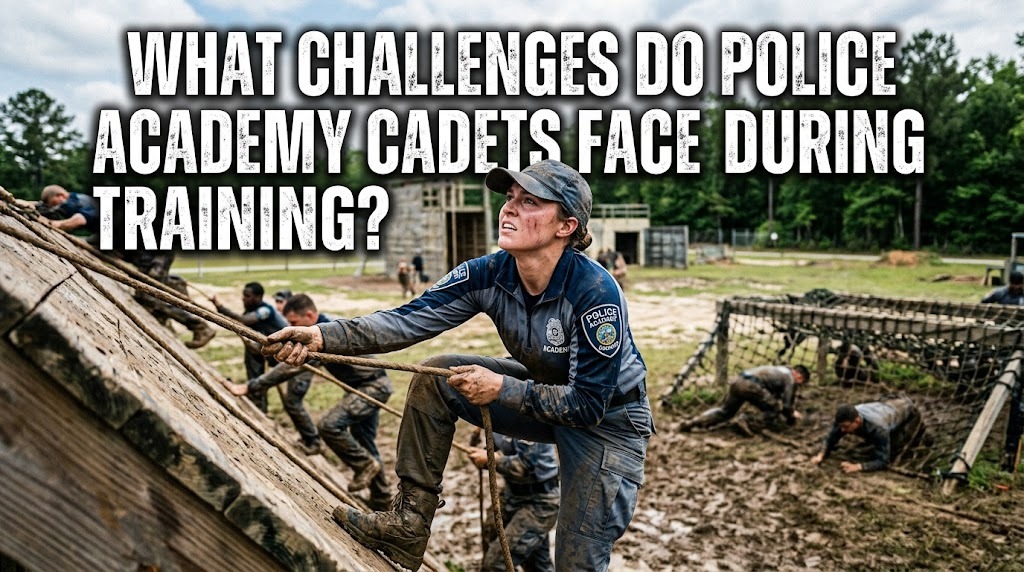
Police academy training is a demanding process that prepares cadets for the responsibilities of professional law enforcement. At the Indonesian Police Academy, known as Akademi Kepolisian or AKPOL, cadets must develop academic knowledge, physical fitness, discipline, leadership, and strong moral values. The training process requires them to adapt to a structured environment while learning how to handle pressure and responsibility. Each stage presents different challenges that test their abilities and commitment. Understanding these challenges helps prospective applicants prepare mentally and physically before entering the academy.
PHYSICAL FITNESS AND ENDURANCE
Physical fitness is one of the main challenges faced by police academy cadets. Training activities require stamina, strength, coordination, and the ability to maintain performance during demanding exercises. Cadets must develop their endurance gradually to handle physical activities while reducing the risk of injury. Maintaining a healthy routine, getting sufficient rest, and following appropriate nutrition are important parts of physical preparation.
Some cadets may initially struggle with demanding exercise schedules, especially if they have not trained consistently before entering the academy. They must learn to recognize their physical limits while gradually improving their performance. Consistent practice and proper recovery help cadets build strength and endurance over time. Physical training also teaches perseverance, self-control, and the importance of maintaining readiness for future police duties.
ADAPTING TO STRICT DISCIPLINE
Another significant challenge is adapting to a highly structured daily routine. Cadets must follow established schedules, attend training sessions on time, maintain personal responsibilities, and comply with applicable academy rules. These expectations require careful time management and consistent attention to detail. Even small responsibilities, such as organizing personal belongings and preparing for daily activities, contribute to developing professional habits.
For cadets who are accustomed to greater personal freedom, the transition can initially feel difficult. They must learn to prioritize responsibilities, follow legitimate instructions, and remain focused even when tired. Over time, consistent routines can help them develop self-discipline and accountability. These qualities are essential because police officers must follow lawful procedures and carry out their duties reliably.
HANDLING MENTAL PRESSURE AND STRESS
Police academy training can create mental pressure because cadets must manage academic responsibilities, physical exercises, evaluations, and strict expectations. They may feel anxious when facing unfamiliar tasks or trying to meet demanding performance standards. Maintaining concentration while tired or under pressure is another skill that requires practice. Cadets must learn to manage their emotions without allowing stress to interfere with their responsibilities.
Developing healthy coping strategies can help cadets respond to these demands. Adequate sleep, effective time management, regular physical activity, and constructive communication can support emotional well-being. Seeking appropriate guidance from instructors or qualified support personnel is also important when stress becomes difficult to manage. Learning to respond calmly to pressure helps prepare cadets for situations in which police officers must make careful decisions under challenging circumstances.
KEEPING UP WITH ACADEMIC REQUIREMENTS
Physical training is only one part of police academy education. Cadets must also study subjects related to law, criminal justice, police procedures, ethics, and professional responsibilities. These subjects require concentration, critical thinking, and the ability to understand complex information. Cadets must balance their academic workload with practical exercises and other scheduled activities.
Time management can become difficult when several assignments or assessments occur within a short period. To overcome this challenge, cadets can develop organized study schedules, review lessons consistently, and seek clarification when they do not understand a topic. Group discussions may also help them exchange ideas and strengthen their understanding. Strong academic performance is important because police officers need to understand legal requirements and apply them correctly in real situations.
BUILDING LEADERSHIP AND TEAMWORK SKILLS
Police work requires officers to cooperate with colleagues, communicate clearly, and coordinate responsibilities. For this reason, cadets must learn how to work effectively with people who have different personalities, strengths, and perspectives. Team activities may challenge them to listen carefully, share responsibilities, and resolve disagreements constructively. They must also understand that successful teamwork depends on mutual respect and accountability.
Developing leadership skills can be equally challenging. Cadets need to learn when to take initiative, how to communicate instructions, and how to make decisions within their authority. Effective leadership does not mean simply giving orders; it also requires fairness, sound judgment, and a willingness to accept responsibility. Through supervised exercises and daily interactions, cadets can gradually improve their confidence and ability to support a team.
MAINTAINING INTEGRITY AND PROFESSIONAL ETHICS
Integrity is a fundamental requirement for future police officers. Cadets must understand the importance of honesty, fairness, respect for human rights, and compliance with the law. They may face situations in which personal interests, peer pressure, or the desire to achieve certain results could conflict with professional standards. Learning to make ethical decisions requires careful judgment and a strong commitment to responsibility.
Professional ethics also involve respecting other people and using authority appropriately. Cadets must recognize that police powers come with legal limitations and obligations to protect the public. They need to develop the habit of considering the consequences of their actions and treating people fairly. Building these values during training helps prepare future officers to maintain public trust and avoid misconduct.
ADJUSTING TO PERSONAL SACRIFICES AND LIMITED FREE TIME
Life at a police academy requires cadets to adjust their personal routines to meet educational and training responsibilities. Their schedules may leave less time for hobbies, entertainment, family activities, and social gatherings than they previously experienced. This adjustment can be particularly difficult for individuals who are living away from home for the first time. They must learn to manage their time while maintaining healthy relationships and personal well-being.
Being away from familiar surroundings may also create feelings of homesickness or loneliness. Maintaining appropriate communication with family and trusted friends can provide emotional support when permitted by academy rules. Cadets can also develop supportive relationships with their fellow trainees and learn to rely on teamwork during difficult periods. These experiences encourage independence, adaptability, and a stronger sense of responsibility.
OVERCOMING CHALLENGES AND PREPARING FOR GRADUATION
Overcoming academy challenges requires consistent effort rather than relying on motivation alone. Cadets benefit from setting realistic goals, evaluating their progress, and improving areas where they need additional practice. They should approach feedback as an opportunity to learn and correct mistakes instead of viewing every evaluation as a setback. Maintaining physical health, academic discipline, emotional balance, and ethical standards throughout training is essential.
Preparation should begin before entering the academy. Prospective applicants can establish regular exercise routines, improve their study habits, practise time management, and develop clear communication skills. They should also understand the importance of discipline, teamwork, and integrity in police service. By building these habits early, candidates can enter training better prepared to face its demands and develop into responsible officers.
CONCLUSION
Police academy cadets face several challenges during training, including physical demands, strict discipline, mental pressure, academic requirements, teamwork, and ethical responsibilities. Adjusting to a structured lifestyle and having less personal time can also require patience and adaptability. These challenges are intended to support the development of professional skills, responsible behavior, and leadership qualities. With consistent preparation, effective time management, healthy coping strategies, and a commitment to integrity, cadets can improve their ability to meet training expectations and prepare for a career in law enforcement.
Recent Posts

Bagaimana Sistem SKS pada Program Kuliah... 22.11.2026/57 View

How Does Technology Make Daily Evaluation... 21.11.2026/86 View

Apa Strategi Menghadapi Kesenjangan antara Kompetensi... 21.11.2026/84 View

Mengapa Inventaris Aset Penting bagi Kelancaran... 21.11.2026/82 View

When Should Musicians Join a Record... 21.11.2026/86 View
