

What Challenges Do Researchers Face When Conducting Field Surveys?
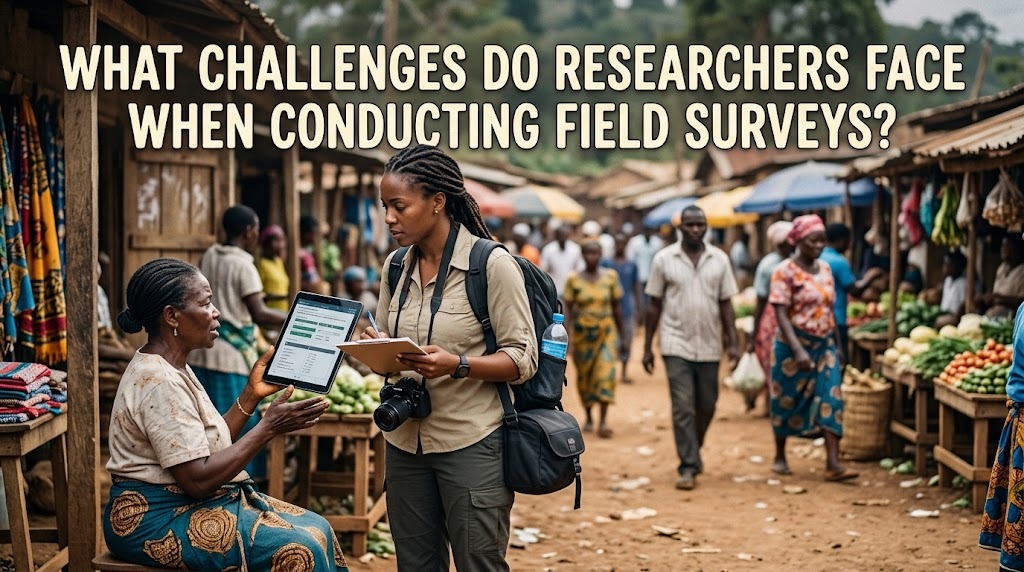
Field surveys are an important research method for collecting information directly from people, communities, or specific locations. They allow researchers to understand real-world conditions, observe situations, and gather data that may not be available through existing publications or online sources. However, conducting field surveys often involves practical difficulties that can affect the quality, cost, and duration of a study. Researchers may encounter problems related to participant recruitment, transportation, weather, data accuracy, and research ethics. Understanding these challenges helps students and professionals prepare effective strategies for collecting reliable information in the field.
DIFFICULTIES IN RECRUITING RESPONDENTS
One of the main challenges in field surveys is finding and recruiting respondents who match the research objectives. Some individuals may be unavailable, unwilling to participate, or uncomfortable sharing their opinions with researchers. In certain communities, people may also hesitate to answer questions because they do not understand the purpose of the study or do not trust the survey team. These difficulties can slow down data collection and reduce the number of completed questionnaires.
Researchers can address these problems by explaining the study clearly and approaching potential participants respectfully. They should identify the target population before beginning fieldwork and use a suitable sampling method to select respondents. Scheduling visits at convenient times and working with trusted community contacts may also improve participation when appropriate. However, researchers must avoid pressuring people to participate and should respect their right to decline. Careful recruitment planning helps reduce unnecessary delays while maintaining ethical research practices.
TRANSPORTATION, WEATHER, AND LOCATION BARRIERS
Field surveys often require researchers to travel to specific locations, including rural communities, remote areas, or neighborhoods with limited transportation access. Long travel distances, poor road conditions, and expensive transportation can increase the cost and time needed to collect data. Researchers may also need to visit the same location more than once when respondents are unavailable during the first visit. These logistical challenges can make it difficult to follow the original research schedule.
Weather conditions can create additional obstacles during fieldwork. Heavy rain, extreme heat, flooding, or other environmental conditions may prevent researchers from reaching participants safely. To manage these risks, research teams should prepare realistic schedules, estimate travel expenses, and identify alternative locations or dates when appropriate. They should also monitor relevant local conditions and prioritize the safety of both researchers and participants. Proper logistical planning can reduce disruptions and help ensure that field surveys are completed responsibly.
ENSURING ACCURATE AND CONSISTENT DATA COLLECTION
Collecting accurate data in the field can be challenging because different respondents may interpret questions differently. Some participants may misunderstand instructions, provide incomplete answers, or forget important details when asked to recall past experiences. If researchers use inconsistent explanations or record responses incorrectly, the resulting data may contain errors. Such problems can weaken the credibility of the research findings.
Researchers should prepare a clear and standardized questionnaire before beginning data collection. Conducting a pilot test can help identify confusing questions and improve the survey process. When several interviewers are involved, they should receive appropriate training and follow consistent procedures for asking questions and recording answers. Researchers should also review completed questionnaires regularly to identify missing information or inconsistencies. These measures improve data quality and make the collected responses more suitable for analysis.
MANAGING COSTS AND TIME LIMITATIONS
Field surveys can require substantial resources, especially when a study involves many respondents or multiple locations. Common expenses include transportation, accommodation, printed questionnaires, communication, equipment, and research assistants. Unexpected delays or repeated visits may increase these costs beyond the original budget. Students conducting thesis research may face additional limitations because they often have restricted funding and deadlines.
Effective planning is necessary to manage these challenges. Researchers should prepare a realistic budget and timeline based on the number of respondents, distance between locations, and complexity of the questionnaire. They can group nearby locations into the same field visit to reduce travel expenses and use digital data collection tools when appropriate. Assigning clear responsibilities to team members can also improve efficiency. Nevertheless, researchers should avoid reducing essential data collection activities simply to save money because doing so may compromise the quality of the study.
ADDRESSING ETHICAL AND CULTURAL CHALLENGES
Field researchers must respect the privacy, rights, and cultural backgrounds of the communities they study. Some questions may involve sensitive subjects, personal experiences, financial circumstances, or community issues that respondents are reluctant to discuss. Language differences and unfamiliar cultural practices can also create misunderstandings between researchers and participants. If these factors are ignored, respondents may feel uncomfortable or provide answers that do not accurately reflect their experiences.
To address these concerns, researchers should explain the purpose of the study, obtain informed consent, and make participation voluntary. They should use language that respondents can understand and adapt communication practices to the local context without changing the meaning of research questions. Confidentiality and data protection must also be maintained throughout collection, storage, analysis, and reporting. Researchers should seek appropriate ethical approval when required and avoid collecting unnecessary personal information. Respectful communication helps establish trust and supports more responsible field research.
CONCLUSION
Researchers face several challenges when conducting field surveys, including difficulties recruiting respondents, transportation barriers, unpredictable weather, data collection errors, limited budgets, and ethical concerns. These challenges can affect the accuracy and completion of a research project if they are not managed carefully. Researchers can reduce potential problems through detailed planning, suitable sampling methods, standardized questionnaires, interviewer training, and responsible data management. They should also remain flexible when unexpected situations arise and prioritize the safety and rights of participants. By preparing for these challenges, researchers can improve the reliability of their field survey results and produce more meaningful conclusions.
Recent Posts

Bagaimana Sistem SKS pada Program Kuliah... 22.11.2026/45 View

How Does Technology Make Daily Evaluation... 21.11.2026/73 View

Apa Strategi Menghadapi Kesenjangan antara Kompetensi... 21.11.2026/75 View

Mengapa Inventaris Aset Penting bagi Kelancaran... 21.11.2026/71 View

When Should Musicians Join a Record... 21.11.2026/75 View
