

What Challenges Do School Committees Face in Supporting Education?
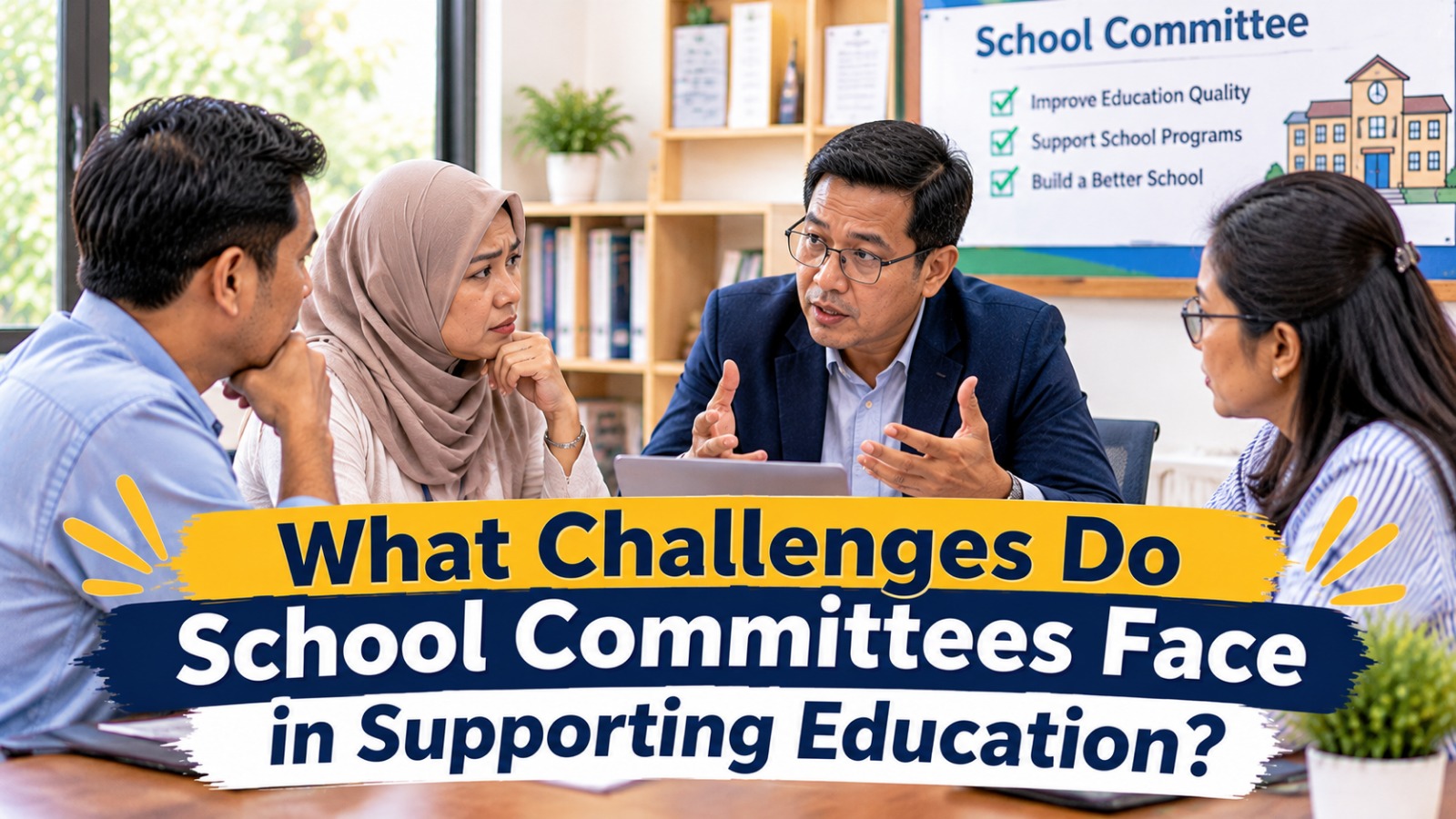
School committees play an important role in improving educational quality and supporting school development. They connect parents, teachers, school administrators, and the wider community to work together in creating a better learning environment. Through their activities, school committees can help improve facilities, support educational programs, monitor school funding, and encourage community participation. However, carrying out these responsibilities is not always easy. Many committees face challenges related to limited financial resources, poor communication, lack of community involvement, and unclear responsibilities. Understanding these difficulties is important because effective school committees can make a meaningful contribution to educational development and student success.
1. LIMITED FINANCIAL RESOURCES
One of the most common challenges school committees face is the lack of financial resources. Many schools need additional funding to improve classrooms, purchase learning materials, maintain facilities, and support extracurricular activities. However, available school budgets may not always cover every educational need. This situation makes it difficult for committees to support all proposed development programs.
School committees may try to encourage voluntary contributions, establish partnerships, or seek support from community organizations. However, these efforts must follow applicable regulations and should never place compulsory financial burdens on parents. Committees also need to prioritize programs based on urgency and available resources. Responsible financial planning helps schools use limited funds more effectively.
2. LOW PARENT AND COMMUNITY PARTICIPATION
Another major challenge is the limited involvement of parents and community members in school activities. Some parents have busy work schedules, limited time, or insufficient information about the responsibilities of school committees. As a result, committee meetings and educational programs may receive less participation than expected. Low involvement can also make it difficult to collect suggestions and understand the actual needs of students.
To address this problem, school committees need to create more accessible opportunities for participation. They can organize flexible meeting schedules, use digital communication platforms, and provide regular updates about school activities. Parents should also understand that their involvement does not always require financial contributions. Active community participation can include sharing ideas, volunteering, and supporting educational programs.
3. POOR COMMUNICATION BETWEEN SCHOOL COMMITTEES AND SCHOOL MANAGEMENT
Effective cooperation depends on clear communication between school committees and school management. However, misunderstandings may occur when information about school policies, financial plans, or educational programs is not shared properly. Committee members may struggle to perform their responsibilities if they do not receive sufficient information from school administrators. Similarly, school management may find it difficult to understand parents' concerns when communication is limited.
Regular meetings and transparent information-sharing practices can help overcome these difficulties. Both parties should discuss important school matters openly and respect each other's responsibilities. Using official communication channels can also reduce confusion and prevent the spread of inaccurate information. Good communication creates stronger cooperation and helps schools make better decisions.
4. UNCLEAR ROLES AND RESPONSIBILITIES
School committees sometimes face difficulties because their roles and responsibilities are not fully understood by parents, teachers, or school administrators. Some people may expect committee members to manage daily school operations, while others may believe that their responsibilities are limited to collecting donations. These misunderstandings can create disagreements and reduce the effectiveness of committee activities.
To prevent these problems, committees should understand their authority and responsibilities according to applicable education regulations. They generally support school development through recommendations, community participation, and appropriate supervision rather than replacing the responsibilities of school principals or teachers. Clear explanations about each party's duties can reduce conflicts and improve cooperation. Clearly defined responsibilities help committees perform their functions more effectively.
5. LACK OF FINANCIAL TRANSPARENCY AND ACCOUNTABILITY
Managing educational funds requires honesty, accurate records, and clear financial reporting. However, school committees may encounter difficulties when financial information is incomplete or not communicated properly. Without reliable reports, parents and community members may question how school resources are being used. This can weaken public trust and create misunderstandings between stakeholders.
School committees should encourage proper documentation of financial activities, including income, expenditure, receipts, and supporting evidence. They should also promote regular financial reporting in accordance with applicable regulations. Financial information should be communicated in a way that parents can understand while protecting confidential information. Financial transparency and accountability are essential for maintaining trust and preventing the misuse of educational resources.
6. LIMITED KNOWLEDGE AND MANAGEMENT SKILLS
Not all school committee members have experience in educational planning, financial management, communication, or organizational leadership. Some members may find it difficult to prepare work programs, evaluate school activities, or monitor the use of educational resources. Limited knowledge can reduce their confidence and affect the quality of decisions they make.
Schools and relevant education authorities can help by providing training, workshops, and guidance for committee members. These activities can improve their understanding of educational policies, financial procedures, and effective communication. Experienced community members can also share their knowledge through discussions and mentoring. Continuous capacity development helps school committees become more professional, confident, and effective.
7. DIFFICULTIES IN IDENTIFYING SCHOOL PRIORITIES
Every school has different educational needs, but available resources are often limited. School committees may find it challenging to decide which programs should receive priority. For example, a school may need classroom renovations, additional learning equipment, improved sanitation facilities, and student support programs at the same time. Different opinions among parents, teachers, and administrators can make the decision-making process more complicated.
To overcome this challenge, committees should gather information about the school's actual conditions and discuss priorities with relevant stakeholders. They can evaluate each proposed program based on urgency, educational benefits, estimated costs, and available resources. Decisions should be supported by clear information rather than personal interests. Needs-based planning helps ensure that school development programs provide meaningful benefits to students.
8. CONFLICTS OF INTEREST AMONG STAKEHOLDERS
Differences in opinions are natural when people have different expectations and priorities. However, disagreements can become serious challenges when committee members, parents, teachers, or school administrators have conflicting interests. For example, some parents may prioritize improving school facilities, while others may believe that student learning support should receive more attention. Personal interests can also influence decisions if proper procedures are not followed.
School committees should encourage open discussions and make decisions based on the best interests of students. Clear rules, fair decision-making processes, and respectful communication can help prevent unnecessary conflicts. Members should also avoid using their positions for personal or financial benefits. Professional ethics and mutual respect are important for maintaining healthy relationships within the school community.
9. CHANGING EDUCATIONAL POLICIES AND REGULATIONS
Educational policies and regulations can change over time to respond to new needs and government priorities. These changes may affect school funding, educational programs, financial reporting, and the responsibilities of school committees. Keeping up with new requirements can be difficult, especially for committee members who have limited access to official information. Failure to understand relevant regulations may lead to inappropriate decisions or administrative problems.
School committees should regularly obtain information from official government sources and coordinate with school administrators. They should also participate in relevant training or information sessions whenever possible. Understanding current regulations helps committees ensure that their programs and activities remain appropriate. Regulatory awareness is important for maintaining compliance and supporting responsible school management.
10. EVALUATING THE EFFECTIVENESS OF SCHOOL COMMITTEE PROGRAMS
Another challenge is determining whether school committee programs have achieved their intended objectives. Some committees organize various activities but do not establish clear performance indicators or evaluation methods. Without proper evaluation, it becomes difficult to understand whether a program has improved school facilities, increased parent participation, or supported student achievement.
Committees should establish measurable targets before implementing their work programs. They can evaluate results through activity reports, stakeholder feedback, participation records, and observations of school improvements. The findings should be discussed with school management to identify successful activities and areas that need improvement. Regular program evaluation helps committees develop better strategies and use resources more effectively in the future.
CONCLUSION
School committees face various challenges in supporting education, including limited financial resources, low community participation, poor communication, unclear responsibilities, and difficulties in managing educational programs. Other obstacles include limited management skills, conflicts of interest, changing regulations, and insufficient program evaluation. These challenges can affect the committee's ability to support school development and improve educational quality.
However, these difficulties can be addressed through better communication, continuous training, transparent financial management, and stronger cooperation among stakeholders. School committees should also prioritize student needs and evaluate their programs regularly. Ultimately, effective school committee performance depends on shared responsibility, ethical leadership, and active community participation. By overcoming these challenges, school committees can help create a more supportive, inclusive, and higher-quality educational environment.
Recent Posts

Bagaimana Sistem SKS pada Program Kuliah... 22.11.2026/25 View

How Does Technology Make Daily Evaluation... 21.11.2026/64 View

Apa Strategi Menghadapi Kesenjangan antara Kompetensi... 21.11.2026/65 View

Mengapa Inventaris Aset Penting bagi Kelancaran... 21.11.2026/62 View

When Should Musicians Join a Record... 21.11.2026/61 View
