

What Challenges Do Social Volunteers Commonly Face?
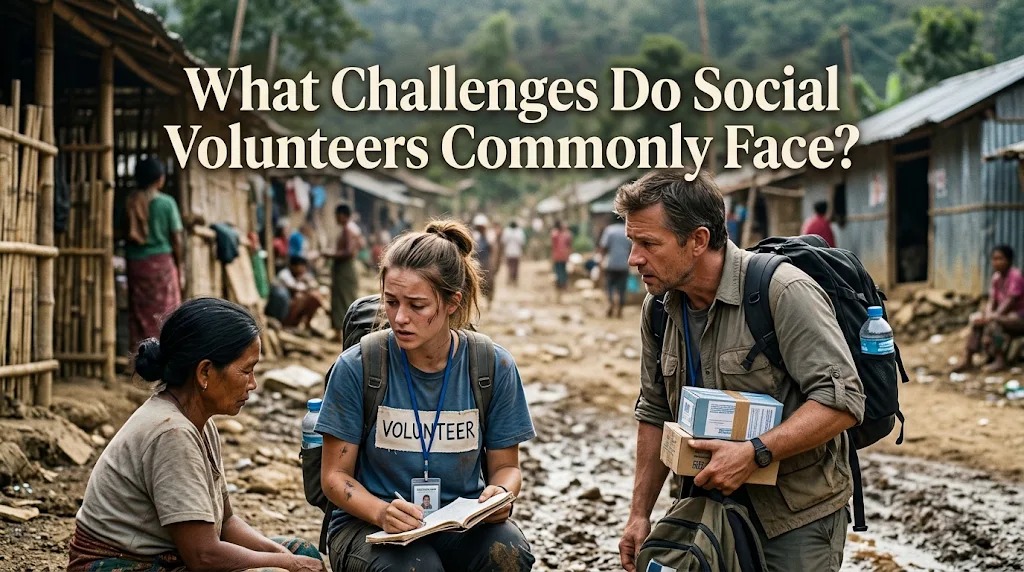
Social volunteers play an important role in supporting communities, helping vulnerable individuals, and responding to various social problems. Their activities may include distributing basic necessities, assisting disaster victims, supporting educational programs, and participating in community development. Although volunteering provides meaningful experiences, it also comes with challenges that require patience, dedication, and responsibility. Volunteers often face difficult situations that can affect their physical condition, emotions, and ability to complete their tasks. Understanding these challenges can help volunteers prepare themselves and become more effective in providing social assistance.
LIMITED RESOURCES AND FINANCIAL SUPPORT
One of the most common challenges social volunteers face is limited resources. Many social programs depend on donations, community contributions, or financial support from organizations. When available resources are insufficient, volunteers may struggle to provide food, clothing, medicine, and other essential supplies to everyone who needs them. This situation can make it difficult to carry out planned activities effectively. Volunteers must often find alternative solutions to ensure that assistance reaches the most vulnerable people.
Limited resources can also affect transportation, equipment, and operational needs. For example, volunteers working in remote areas may have difficulty accessing locations because of inadequate transportation or poor road conditions. Some organizations may also lack proper facilities and communication equipment. To overcome these problems, volunteers need to coordinate with other organizations, manage available resources carefully, and seek additional support from the community. Good planning can help social programs continue despite financial limitations.
PHYSICAL AND EMOTIONAL EXHAUSTION
Social volunteering can require considerable physical energy, especially when activities involve outdoor work, disaster response, or distributing large amounts of assistance. Volunteers may need to travel long distances, carry supplies, and work for extended periods. These responsibilities can cause fatigue, particularly when volunteers have limited time to rest. Difficult environmental conditions, such as extreme heat, heavy rain, or damaged infrastructure, can make their work even more demanding. Maintaining physical health is therefore essential for volunteers.
Emotional exhaustion is another challenge that should not be overlooked. Volunteers may encounter poverty, illness, loss, and other difficult situations that affect the people they assist. Seeing others experience serious hardships can create sadness, stress, or feelings of helplessness. Some volunteers may also feel disappointed when their efforts do not produce immediate results. Taking breaks, sharing experiences with teammates, and seeking support from coordinators can help volunteers maintain their emotional well-being.
COMMUNICATION PROBLEMS AND TEAMWORK DIFFICULTIES
Effective communication is essential in social activities, but misunderstandings can sometimes occur between volunteers, coordinators, and community members. Differences in opinions, backgrounds, languages, or expectations may create difficulties when planning and carrying out programs. For example, volunteers may misunderstand local needs if they do not communicate directly with residents. This can result in activities that are less effective or do not address the community's actual problems. Listening carefully and explaining information clearly can reduce these risks.
Teamwork can also become challenging when responsibilities are not distributed properly. Some volunteers may have more experience than others, while differences in working styles can affect cooperation. Unclear instructions may cause tasks to be delayed or completed incorrectly. Organizations can address these problems by providing clear guidance, assigning responsibilities fairly, and encouraging regular communication. Mutual respect and cooperation help volunteers work toward shared goals more effectively.
DIFFICULT ACCESS TO COMMUNITIES IN NEED
Some social volunteers work in areas that are difficult to reach, including remote villages, disaster-affected locations, and communities with limited transportation facilities. Poor road conditions, natural obstacles, and inadequate public transportation can make it difficult to deliver assistance. In emergency situations, damaged buildings or unstable environments may also create safety risks. These conditions can delay humanitarian activities and prevent volunteers from reaching people who need immediate support. Careful preparation is necessary before entering challenging locations.
Access problems are not always related to physical distance. Volunteers may also face cultural differences, language barriers, or a lack of trust from local communities. Residents may hesitate to accept assistance if they do not understand the purpose of a program or are unfamiliar with the organization. Volunteers should respect local customs, communicate politely, and involve community leaders when appropriate. Building trust takes time, but it can make social activities more successful and sustainable.
MAINTAINING MOTIVATION AND PERSONAL COMMITMENT
Maintaining motivation can become difficult when volunteer activities require long-term commitment. Some volunteers have to balance social responsibilities with education, employment, family matters, and personal needs. Busy schedules may reduce the time they can dedicate to community programs. In addition, activities that produce slow results can make volunteers feel that their efforts are not making a significant difference. Setting realistic goals can help them recognize progress and maintain enthusiasm.
Another challenge is dealing with criticism and unexpected situations. Volunteers may receive negative feedback from community members or face difficulties when programs do not go according to plan. They need to remain open to suggestions and understand that improvement is part of social work. Support from coordinators and fellow volunteers can also strengthen their motivation. By maintaining realistic expectations and remembering their original purpose, volunteers can continue contributing positively to society.
CONCLUSION
Social volunteers commonly face challenges involving limited resources, physical and emotional exhaustion, communication problems, difficult access to communities, and maintaining motivation. These obstacles can affect the success of social programs, but they can be managed through preparation, teamwork, effective communication, and organizational support. Volunteers should also recognize their personal limits and maintain a healthy balance between volunteering and other responsibilities. With the right approach, they can overcome many difficulties while continuing to provide meaningful assistance. Their dedication and cooperation remain important in building stronger and more supportive communities.
Recent Posts

Bagaimana Sistem SKS pada Program Kuliah... 22.11.2026/25 View

How Does Technology Make Daily Evaluation... 21.11.2026/64 View

Apa Strategi Menghadapi Kesenjangan antara Kompetensi... 21.11.2026/65 View

Mengapa Inventaris Aset Penting bagi Kelancaran... 21.11.2026/62 View

When Should Musicians Join a Record... 21.11.2026/61 View
