

What Challenges Does the Student Senate Face and How Can They Be Overcome?
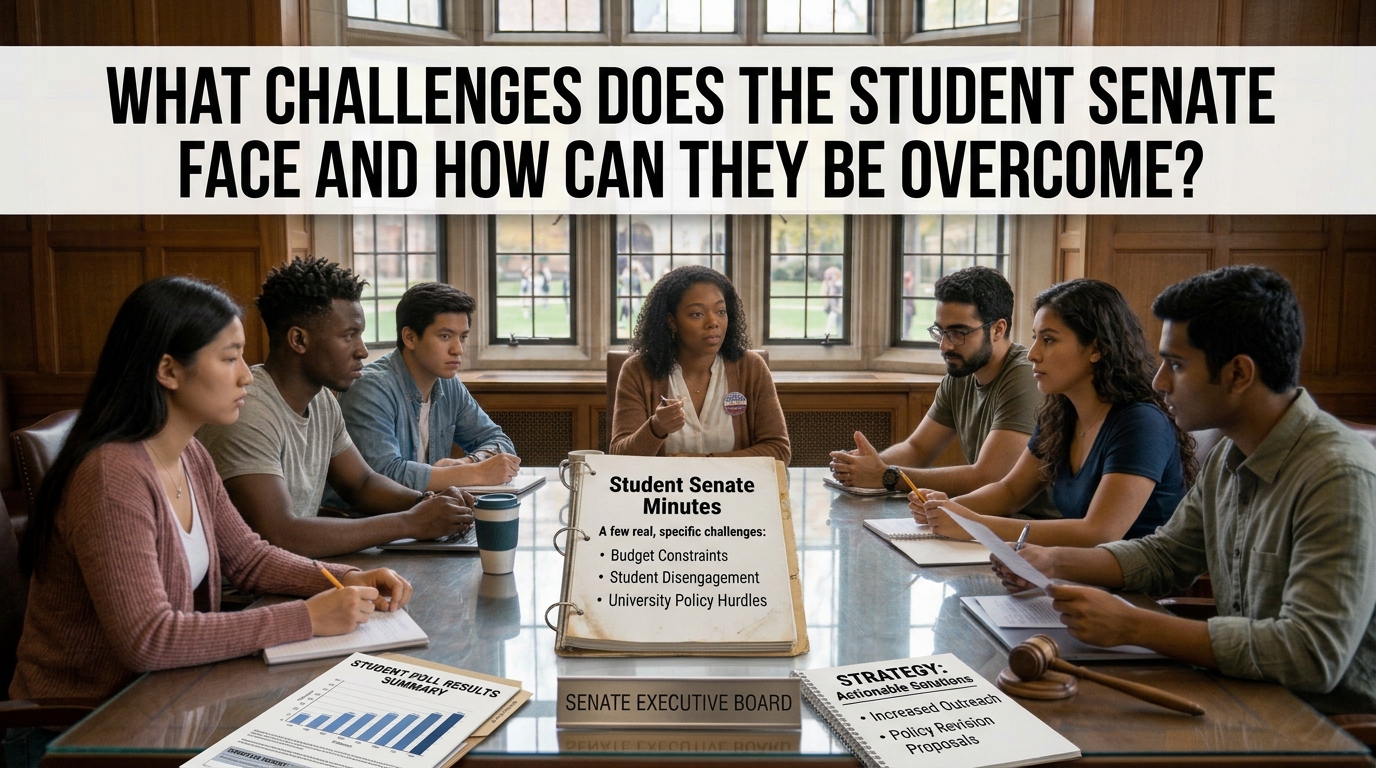
The student senate plays an important role in representing student interests, supporting campus development, and maintaining communication between students and university management. As a student representative organization, it is responsible for collecting aspirations, evaluating campus policies, and advocating for improvements that benefit the student community. However, carrying out these responsibilities is not always easy. Student senate members often face various challenges, ranging from limited student participation and communication problems to organizational conflicts and resource constraints.
Understanding these challenges is essential to improving the effectiveness of student senate activities. With proper planning, strong leadership, and cooperation among members, many organizational difficulties can be addressed. By developing practical solutions, the student senate can become a more responsible, transparent, and effective organization that contributes positively to university life.
LOW STUDENT PARTICIPATION
One of the most common challenges faced by the student senate is low student participation in organizational activities and decision-making processes. Many students are more focused on academic responsibilities, personal activities, and other commitments, leaving them with limited time to participate in campus discussions. Some students also do not understand the role of the student senate or believe that their opinions will not influence university policies. As a result, representatives may struggle to collect diverse student perspectives.
To overcome this problem, the student senate should create accessible and engaging participation opportunities. Online surveys, open discussions, public forums, and social media platforms can help students share their opinions more easily. Representatives should also actively communicate the benefits of student involvement and explain how student feedback is used. These efforts can encourage greater participation and strengthen the relationship between the senate and the wider student community.
POOR COMMUNICATION BETWEEN STUDENTS AND UNIVERSITY MANAGEMENT
Communication problems can make it difficult for the student senate to represent student interests effectively. Students may have concerns about academic regulations, campus facilities, or student welfare, but these issues are not always communicated clearly to university administrators. In some situations, differences in expectations and communication styles can create misunderstandings between student representatives and campus management. This may delay discussions and prevent important concerns from receiving proper attention.
The solution is to establish clear, structured, and consistent communication channels. The student senate should collect student concerns, organize them according to priority, and present them through formal meetings or written proposals. It is also important to maintain respectful discussions and provide accurate information when communicating with university officials. Regular follow-ups can help ensure that student concerns receive appropriate responses and that both parties understand the progress of proposed solutions.
LIMITED ORGANIZATIONAL RESOURCES
Another challenge is the lack of sufficient resources to support student senate programs and activities. These limitations may include restricted budgets, inadequate facilities, limited access to technology, and a shortage of members with relevant experience. Without proper resources, the organization may struggle to conduct discussions, organize events, or implement planned initiatives. This situation can affect the quality and continuity of its programs.
To address these limitations, the student senate needs to develop effective resource management and realistic planning. Members should prioritize programs based on student needs and available funding rather than creating activities that exceed organizational capacity. They can also seek legitimate institutional support, collaborate with other student organizations, and use affordable digital tools. Transparent budgeting and careful evaluation of expenses can help ensure that available resources are used responsibly.
INTERNAL CONFLICTS AND DIFFERENCES OF OPINION
Internal disagreements are common in organizations where members have different backgrounds, perspectives, and priorities. Within the student senate, conflicts may arise when members disagree about policies, program priorities, leadership decisions, or the distribution of responsibilities. If these disagreements are not handled properly, they can reduce teamwork, create uncomfortable working relationships, and delay organizational activities.
The best way to overcome this challenge is by developing healthy communication and conflict resolution practices. Members should respect different opinions, listen carefully, and focus on shared organizational objectives instead of personal interests. Regular evaluations and open discussions can help identify problems before they become more serious. In addition, leaders should encourage fair decision-making and ensure that every member has an opportunity to contribute.
LACK OF TRANSPARENCY AND ACCOUNTABILITY
Transparency and accountability are essential for maintaining public trust in the student senate. However, problems can occur when organizational decisions, financial reports, or program developments are not communicated clearly to students. This lack of information may create misunderstandings and make students question whether their representatives are carrying out their responsibilities properly. It can also weaken the organization's credibility.
To overcome this issue, the student senate should establish transparent reporting and accountability systems. Members can publish activity reports, financial summaries, meeting results, and updates about student proposals through official communication channels. Important decisions should also be explained using clear and understandable information. By maintaining openness and accepting constructive feedback, the student senate can strengthen trust and demonstrate its commitment to responsible representation.
DIFFICULTIES IN BALANCING ACADEMIC AND ORGANIZATIONAL RESPONSIBILITIES
Student senate members are university students who must manage academic assignments, examinations, personal commitments, and organizational duties simultaneously. This situation can create pressure, especially when meetings and organizational programs overlap with important academic activities. Poor time management may lead to missed deadlines, reduced participation, and unfinished responsibilities. Over time, these difficulties can affect both academic performance and organizational effectiveness.
A practical solution is to improve time management and task distribution. Members should prepare realistic schedules, establish clear priorities, and divide responsibilities according to individual capacities. Meetings should have organized agendas and reasonable time limits to avoid unnecessary delays. The organization should also understand that academic responsibilities remain important and provide flexibility when members face demanding study periods. With better coordination, students can maintain a healthy balance between academic achievement and organizational involvement.
INEFFECTIVE LEADERSHIP AND WEAK COORDINATION
Leadership plays an important role in determining how effectively the student senate operates. Problems may arise when leaders struggle to communicate organizational goals, delegate responsibilities, or motivate members. Weak coordination can cause overlapping tasks, unclear responsibilities, and inconsistent program implementation. These issues may reduce member engagement and make it difficult for the organization to achieve its objectives.
To improve organizational performance, the student senate needs responsible leadership and clear coordination systems. Leaders should establish measurable goals, distribute tasks fairly, and monitor the progress of each program. They should also encourage teamwork, provide constructive feedback, and create opportunities for members to develop their leadership abilities. Leadership training and regular organizational evaluations can further improve decision-making and strengthen the overall performance of the senate.
LIMITED STUDENT TRUST AND ORGANIZATIONAL CREDIBILITY
Building student trust can be challenging, particularly when students feel that their representatives do not understand their concerns or fail to deliver promised improvements. Previous experiences involving poor communication, unfulfilled commitments, or limited organizational involvement may create negative perceptions. When students lose confidence in their representatives, they may become less interested in sharing opinions or participating in campus activities.
The student senate can rebuild trust through consistent performance, honest communication, and meaningful representation. Members should avoid making unrealistic promises and focus on actions that can be achieved within their authority and available resources. They should also provide regular updates about ongoing issues and explain any obstacles that prevent certain proposals from being implemented. By demonstrating consistency between promises and actions, the student senate can gradually strengthen its credibility among students.
CONCLUSION
The student senate faces various challenges, including low student participation, communication barriers, limited resources, internal conflicts, and difficulties balancing academic and organizational responsibilities. Other important issues involve transparency, leadership effectiveness, and maintaining student trust. These challenges can affect the organization's ability to represent student interests and contribute to university development.
However, each challenge can be addressed through effective communication, responsible leadership, transparent management, teamwork, and proper planning. The student senate should also remain open to feedback and continuously evaluate its performance. With a strong commitment to accountability and student representation, the organization can overcome organizational obstacles and create a more inclusive, supportive, and productive campus environment.
Recent Posts

Bagaimana Sistem SKS pada Program Kuliah... 22.11.2026/35 View

How Does Technology Make Daily Evaluation... 21.11.2026/69 View

Apa Strategi Menghadapi Kesenjangan antara Kompetensi... 21.11.2026/69 View

Mengapa Inventaris Aset Penting bagi Kelancaran... 21.11.2026/67 View

When Should Musicians Join a Record... 21.11.2026/68 View
