

What Common Political Bribery Methods Should Voters Be Aware Of During Elections?
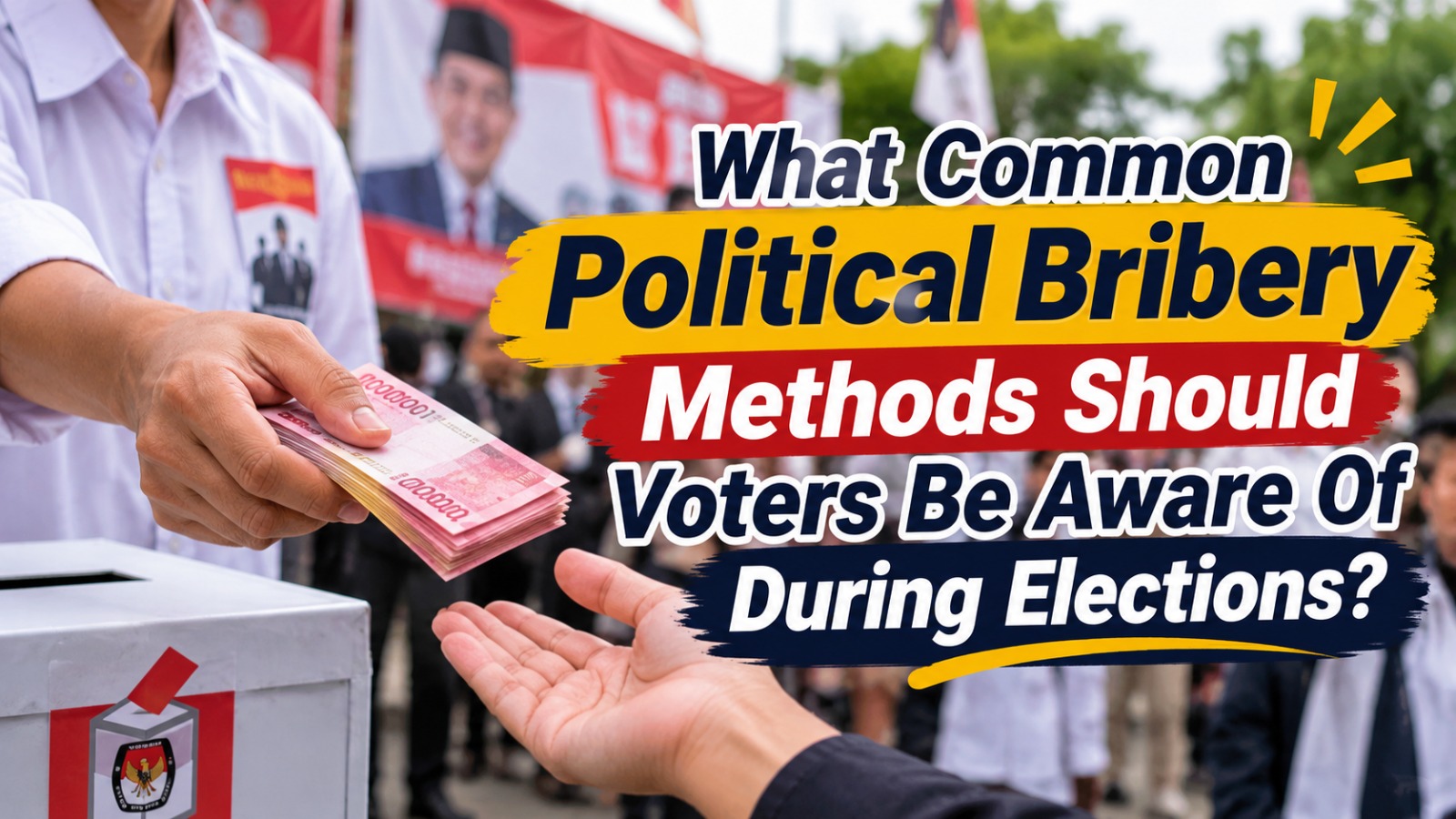
Political bribery is a serious challenge that can threaten the fairness and credibility of democratic elections. During election campaigns, some candidates or political groups may use money, gifts, personal promises, or other benefits to influence voter decisions. These practices can prevent citizens from choosing leaders based on their qualifications, policies, and commitment to public welfare. Political bribery can also create unfair competition between candidates and weaken public confidence in election results. Unfortunately, some bribery methods are difficult to recognize because they may be presented as ordinary campaign activities or community assistance. Therefore, voters need to understand the common methods of political bribery so they can recognize suspicious activities, protect their voting rights, and support fair elections.
UNDERSTANDING POLITICAL BRIBERY DURING ELECTIONS
Political bribery refers to the improper exchange of money, gifts, services, or other benefits to influence political decisions or obtain certain advantages. During elections, this practice may involve candidates, campaign teams, political party members, or individuals acting on behalf of political interests. The main objective is often to gain political support through financial incentives rather than convincing voters with realistic programs and responsible leadership. These activities can violate election regulations and weaken the principles of democratic participation.
Political bribery can occur in different forms depending on the political environment and the methods used by campaign representatives. Some activities involve direct payments, while others use indirect assistance or promises of future benefits. Voters should understand that not every campaign gift or political promise automatically constitutes bribery because applicable regulations may allow certain campaign activities. The important issue is whether a benefit is intended to improperly influence political choices or violates election laws. Recognizing the purpose behind an offer is essential for distinguishing legitimate political communication from potential bribery.
COMMON METHODS OF POLITICAL BRIBERY THAT VOTERS SHOULD RECOGNIZE
One of the most common methods is vote buying, which involves offering money directly to voters in exchange for supporting a particular candidate or political party. The payments may be distributed individually, through community representatives, or through campaign intermediaries. Another method involves distributing valuable goods, such as food packages, household supplies, electronic devices, or other benefits shortly before election day. These offers become suspicious when recipients are expected to demonstrate political support in return.
Political bribery can also involve promises of special treatment after an election. For example, campaign representatives may promise government positions, business opportunities, financial assistance, or easier access to public services in exchange for political loyalty. Another method is using community events or social assistance activities as a way to influence voter preferences through hidden political agreements. In some cases, voters may experience intimidation or pressure when they refuse to support a particular candidate. These practices can threaten voter independence and create an unfair political environment.
THE IMPACT OF POLITICAL BRIBERY ON ELECTION FAIRNESS
Political bribery can damage election fairness because it gives candidates with greater financial resources an unfair advantage. Instead of competing through leadership abilities, policy ideas, and public achievements, candidates may use material benefits to attract voters. This situation reduces the importance of political discussions and makes it harder for citizens to evaluate candidates objectively. As a result, election outcomes may become influenced by financial power rather than the genuine preferences of the population.
Another serious consequence is the decline of public trust in democratic institutions. When voters believe that election results are determined by money or illegal agreements, they may question the credibility of the electoral process. Political bribery can also encourage corruption after elections because candidates who spend large amounts of money to gain political support may attempt to recover those expenses through government resources or special business arrangements. This can weaken public administration and reduce the quality of government services. Therefore, preventing bribery is essential for protecting both election fairness and long-term democratic development.
HOW VOTERS CAN RECOGNIZE AND REPORT POLITICAL BRIBERY
Voters can recognize possible political bribery by paying attention to unusual financial offers, valuable gifts, suspicious campaign activities, and promises that require political support in return. They should carefully evaluate whether an offer is part of a permitted campaign activity or an attempt to influence their voting decisions improperly. Citizens should also avoid sharing unverified information because false accusations can damage the reputation of individuals and political organizations. Critical thinking and reliable information are important when evaluating suspected election violations.
When voters witness suspicious activities, they can document relevant information, including the time, location, individuals involved, and available supporting evidence, as long as it is safe and lawful. In Indonesia, suspected election violations can be reported to Bawaslu (the Election Supervisory Agency) through its official reporting channels. Reports should provide clear information so that the authorities can examine the allegations according to applicable procedures. Citizens can also support prevention efforts by rejecting vote buying, participating in political education programs, and encouraging other voters to make independent choices. Active public participation helps create elections that are more transparent, accountable, and fair.
CONCLUSION
Political bribery during elections can take many forms, including direct cash payments, valuable gifts, promises of special treatment, and intimidation intended to influence voter decisions. These methods threaten election fairness because they replace independent political judgment with financial incentives or personal pressure. Political bribery can also damage public trust, encourage corruption, and weaken democratic institutions. Voters should recognize suspicious campaign activities, understand their political rights, and report suspected violations through appropriate channels. By rejecting vote buying and choosing candidates based on their qualifications and programs, citizens can help protect electoral integrity and strengthen democracy.
Recent Posts

How Does Technology Make Daily Evaluation... 21.11.2026/58 View

Apa Strategi Menghadapi Kesenjangan antara Kompetensi... 21.11.2026/60 View

Mengapa Inventaris Aset Penting bagi Kelancaran... 21.11.2026/56 View

When Should Musicians Join a Record... 21.11.2026/55 View

Daily Evaluation or Daily Planning Which... 21.11.2026/63 View
