

What Diseases Can Be Detected Through Free Health Checkups?
Maintaining good health requires regular attention to the body's condition, even when there are no noticeable symptoms. Some diseases can develop slowly and remain undetected for years before causing serious health problems. This is why early health screening is important for people of all ages. Through free health checkups, individuals can learn more about their health conditions and identify potential risks before they become more serious.
Free health checkups provide access to various medical screenings that help detect signs of certain diseases and health disorders. Depending on the program, age group, and individual risk factors, these examinations may include blood pressure measurements, blood sugar tests, physical assessments, and other screenings. Although these tests cannot diagnose every disease, they can help healthcare professionals identify conditions that require further examination. Understanding which diseases can be detected through free health checkups can encourage people to take preventive healthcare more seriously.
HIGH BLOOD PRESSURE OR HYPERTENSION
Hypertension is one of the most common health conditions that can be identified through free health checkups. It occurs when the pressure of blood against artery walls remains consistently higher than normal. Many people with hypertension do not experience noticeable symptoms, which makes regular blood pressure measurements important. Without proper management, this condition can increase the risk of heart disease, stroke, and kidney damage.
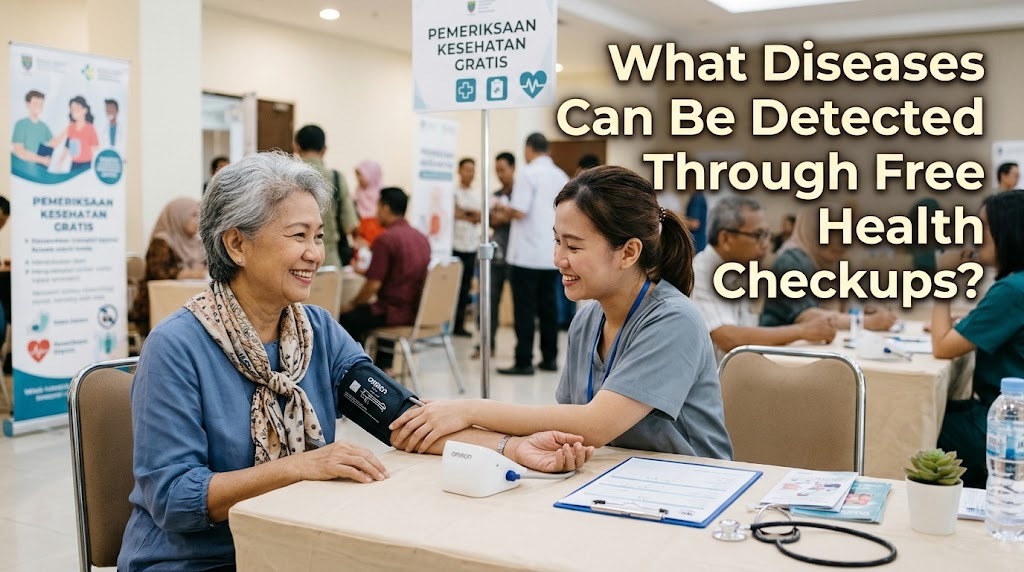
During a health checkup, healthcare professionals use a blood pressure monitor to measure systolic and diastolic pressure. The results help identify whether someone may have elevated blood pressure or hypertension. However, one high reading is not enough to confirm a diagnosis because blood pressure can change depending on activity, stress, and other factors. Additional measurements and medical evaluation may be necessary to determine whether treatment is required.
DIABETES
Diabetes is a chronic disease that affects how the body regulates blood glucose levels. It develops when the body does not produce enough insulin or cannot use insulin effectively. Insulin is a hormone that helps glucose enter the body's cells to provide energy. If blood sugar remains too high for a long period, it can damage various organs, including the eyes, kidneys, nerves, and heart.
Free health checkups may include blood glucose screening to identify possible signs of diabetes. Depending on the examination method, healthcare workers may use fasting blood glucose or another type of glucose test. If the result is higher than the expected range, additional testing, such as a repeat glucose test or HbA1c examination, may be recommended. Early detection helps individuals receive medical guidance and make lifestyle changes that support better blood sugar management.
HIGH CHOLESTEROL
High cholesterol is another health risk that may be identified through appropriate blood testing. Cholesterol is a fatty substance that the body needs to produce hormones, vitamin D, and substances that support digestion. However, excessive levels of certain blood fats, especially LDL cholesterol, can contribute to plaque buildup inside the arteries. This condition can increase the risk of cardiovascular problems over time.
A cholesterol test, also called a lipid profile, measures different types of fats in the bloodstream. These may include LDL cholesterol, HDL cholesterol, and triglycerides. The results help healthcare professionals evaluate a person's risk of developing heart and blood vessel diseases. However, cholesterol testing is not included in every free health checkup, so participants should check which examinations are available under their program.
OBESITY AND NUTRITIONAL DISORDERS
Free health checkups may also help identify obesity and certain nutritional problems through physical measurements. Healthcare professionals can measure body weight and height to calculate the Body Mass Index (BMI). This measurement provides an initial indication of whether a person's weight is appropriate for their height. It can help identify possible underweight, overweight, or obesity conditions.
Obesity can increase the risk of several diseases, including diabetes, hypertension, heart disease, and joint problems. Meanwhile, being underweight may indicate inadequate nutrition or an underlying health condition. For children, growth measurements can help healthcare professionals assess whether physical development is appropriate for their age. Although BMI is useful for screening, it should not be used alone to determine a person's complete nutritional condition.
ANEMIA
Anemia is a condition in which the body does not have enough healthy red blood cells or hemoglobin to carry sufficient oxygen to its tissues. It can cause symptoms such as tiredness, weakness, dizziness, and difficulty concentrating. Iron deficiency is one of the common causes, although anemia can also result from vitamin deficiencies, chronic diseases, and inherited conditions. Some people may have mild anemia without recognizing the symptoms.
Certain free health checkup programs may include hemoglobin screening, particularly for specific age groups or individuals with relevant health risks. Hemoglobin is a protein in red blood cells that carries oxygen throughout the body. A low hemoglobin result may indicate anemia and require further investigation. Additional blood tests may be necessary to identify the underlying cause and determine the appropriate treatment.
HEART AND CARDIOVASCULAR DISEASES
Cardiovascular diseases affect the heart and blood vessels and include conditions such as coronary artery disease and certain circulation disorders. These conditions may develop due to several risk factors, including hypertension, diabetes, high cholesterol, smoking, and physical inactivity. Some cardiovascular problems can progress without obvious symptoms during their early stages. Therefore, identifying related risk factors is an important part of preventive healthcare.
Free health checkups may help identify cardiovascular risk factors through blood pressure measurements, blood sugar tests, weight assessments, and other available examinations. These screenings do not automatically detect every heart disease or confirm whether someone has blocked arteries. If a participant has concerning symptoms or abnormal results, a doctor may recommend additional examinations, such as an electrocardiogram (ECG) or other diagnostic procedures. Early medical evaluation can help reduce the risk of serious complications.
CERVICAL CANCER
Cervical cancer is a disease that develops in the cells of the cervix, which connects the uterus to the vagina. Most cases are associated with persistent infection caused by high-risk types of human papillomavirus (HPV). The disease may develop gradually and often causes no noticeable symptoms during its early stages. This makes appropriate screening important for eligible women.
Some free health screening programs provide cervical cancer screening based on age and program eligibility. The available methods may include HPV testing or a visual inspection with acetic acid, depending on the healthcare service. These examinations help identify high-risk HPV infections or abnormal cervical changes that may require further evaluation. A positive screening result does not automatically mean that someone has cervical cancer, and additional diagnostic procedures may be necessary.
BREAST CANCER
Breast cancer occurs when abnormal cells grow uncontrollably in breast tissue. Early stages may not cause noticeable symptoms, which is why breast health awareness and appropriate screening are important. Some warning signs include a new lump, changes in breast shape, unusual nipple discharge, or changes in the skin around the breast. However, not every breast lump is cancerous.
Free health checkup programs may include breast health assessments for eligible participants, depending on the available services. These may involve clinical breast examinations or education about recognizing changes in breast tissue. Mammography may be recommended for certain individuals based on age and medical risk, but it is not automatically included in every free screening program. Anyone who notices unusual breast changes should seek medical evaluation rather than waiting for a routine checkup.
INFECTIOUS DISEASES
Certain infectious diseases may also be identified through specific screening services. Depending on the program and participant risk factors, examinations may include screening for tuberculosis, hepatitis, HIV, or other infections. These conditions can affect different parts of the body and may require early medical attention to prevent complications or further transmission. Some infections can also remain without noticeable symptoms for a long time.
The screening methods vary depending on the disease being assessed. For example, tuberculosis screening may involve symptom assessment and further tests when necessary, while HIV screening uses specific tests to detect infection. Hepatitis screening may involve blood tests that identify infection or related markers. Not all infectious disease screenings are included in every free health checkup, so participants should ask healthcare professionals about the services available and whether additional testing is recommended.
WHY IS EARLY DISEASE DETECTION IMPORTANT?
Early disease detection allows people to identify potential health problems before they become more serious. Many chronic diseases develop gradually, and individuals may not notice changes in their bodies until complications appear. Through appropriate screening, healthcare professionals can recognize warning signs and recommend further medical evaluation. This provides an opportunity to begin preventive measures or treatment at a more appropriate time.
Early detection can also help people make better decisions about their daily habits. Individuals may receive recommendations about nutrition, physical activity, medication, and other lifestyle changes based on their health conditions. Regular medical monitoring is especially important for people with chronic diseases or specific risk factors. Although screening cannot prevent every illness, it is an important part of maintaining long-term health and improving quality of life.
CONCLUSION
Free health checkups can help identify potential signs of various health conditions, including hypertension, diabetes, high cholesterol, obesity, anemia, and certain cardiovascular risks. Depending on the program's coverage and participant eligibility, additional screenings may also help identify cervical cancer, breast cancer, and infectious diseases. The available examinations can vary according to age groups, medical needs, and healthcare guidelines.
However, free health checkups are primarily screening services rather than complete diagnostic examinations. Abnormal results do not always confirm the presence of a disease, so further medical evaluation may be necessary. By participating in available screening programs and following healthcare professionals' recommendations, people can recognize health risks earlier, take preventive action, and maintain a better quality of life.
Recent Posts

Bagaimana Sistem SKS pada Program Kuliah... 22.11.2026/47 View

How Does Technology Make Daily Evaluation... 21.11.2026/75 View

Apa Strategi Menghadapi Kesenjangan antara Kompetensi... 21.11.2026/77 View

Mengapa Inventaris Aset Penting bagi Kelancaran... 21.11.2026/73 View

When Should Musicians Join a Record... 21.11.2026/77 View
