

What Distinguishes Premium Content From Standard Paid Content?
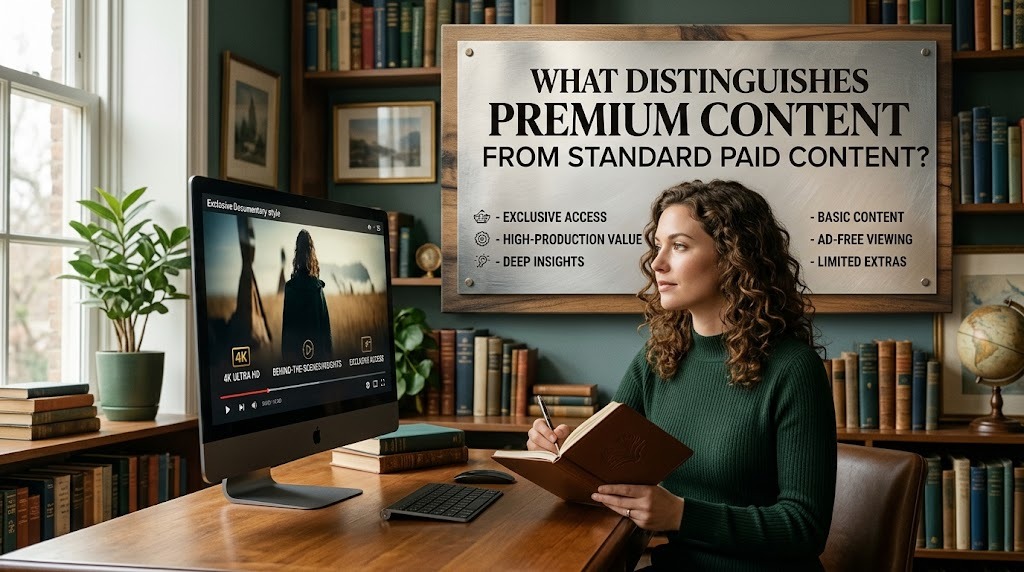
Digital content has become an important part of the modern online economy. Creators, publishers, educators, and businesses offer various materials through websites, subscription platforms, and digital marketplaces. Some resources are available for free, while others require payment before users can access them. Among these paid resources, premium content stands out because it aims to provide greater value through quality, exclusivity, and specialized experiences.
Although premium content and standard paid content both require customers to spend money, they are not necessarily the same. Standard paid content generally provides access to a specific digital product or resource, while premium content often offers additional benefits, deeper information, and a more comprehensive experience. Understanding these differences helps businesses develop suitable products and helps audiences make informed purchasing decisions.
CONTENT QUALITY AND INFORMATION DEPTH
One of the main differences between premium content and standard paid content is the depth and quality of the information provided. Premium content is generally developed with greater attention to research, accuracy, organization, and practical usefulness. It may include detailed explanations, expert insights, case studies, and supporting materials.
Standard paid content can still be useful and informative, but it may focus on delivering a particular resource without offering extensive additional information. For example, a basic digital guide may explain the fundamentals of online marketing, while a premium guide may include advanced strategies, practical examples, and detailed implementation steps. The difference lies in the level of value and depth rather than simply the fact that customers must pay.
EXCLUSIVE ACCESS AND SPECIAL BENEFITS
Premium content often provides exclusive access to materials or experiences that are unavailable to ordinary users. These benefits may include members-only articles, advanced tutorials, private discussions, early access to new releases, and additional downloadable resources.
Standard paid content usually focuses on access to a specific product or collection of materials. Once customers complete their purchases, they receive the resources included in the transaction. Premium services may go further by offering continuing access to exclusive features and additional benefits. This exclusivity can make a premium membership more attractive to audiences who want experiences beyond basic content access.
LEVEL OF SPECIALIZATION
Premium content frequently targets audiences with specific interests, professional goals, or advanced knowledge requirements. It may cover specialized subjects that require deeper research and a more focused presentation.
For instance, a standard paid business article might introduce basic entrepreneurship concepts, while premium content could examine market analysis, customer segmentation, financial planning, and business development strategies. This specialized approach helps audiences obtain information that is more closely related to their needs. However, standard paid content can also be specialized, depending on the product and its intended audience.
PERSONALIZATION AND USER EXPERIENCE
Personalization is another feature that can distinguish premium content services from basic paid products. Some premium platforms provide customized recommendations, personalized learning paths, and content suggestions based on subscriber interests or previous activities.
Standard paid content may provide a more general experience in which every customer receives the same materials. Premium platforms can offer additional convenience through customized dashboards, organized content libraries, and personalized communication. These features help users discover relevant resources more easily and make their overall experience more valuable.
ACCESS TO EXPERTS AND PROFESSIONAL GUIDANCE
Some premium content services include opportunities to interact with experienced professionals, instructors, or creators. Subscribers may receive access to expert discussions, live question-and-answer sessions, private workshops, or specialized feedback.
Standard paid content does not always include these additional services. A customer purchasing an individual e-book, for example, may only receive the downloadable file without direct communication with its author. Premium educational memberships may provide more extensive support through instructor interaction and community discussions. These additional experiences can increase the perceived value of a subscription.
CONTENT UPDATES AND LONG-TERM VALUE
Premium content platforms often aim to provide ongoing value through regular updates and additional resources. Subscribers may receive new articles, updated research, advanced lessons, and exclusive materials throughout their membership period.
Standard paid content is frequently sold as a single product that customers can access after purchase. Although some products may receive updates, continuous publishing is not always included. This difference is particularly important for audiences who need current information, such as business owners, professionals, and students. Regular updates can help premium services remain relevant as audience needs and industry developments change.
PRICING AND PERCEIVED VALUE
Premium content generally has a higher perceived value because it may include several benefits beyond the main digital material. These can involve exclusive access, specialized knowledge, expert guidance, personalized experiences, and ongoing updates.
Standard paid content may have a lower price because it provides a more limited product or a single resource. However, pricing does not automatically determine content quality. A reasonably priced digital product can still provide excellent value, while an expensive premium service may disappoint customers if its benefits do not match their expectations. Businesses should establish prices based on the quality, usefulness, production costs, and overall experience they provide.
CUSTOMER RELATIONSHIPS AND COMMUNITY ACCESS
Premium content services may emphasize long-term relationships with subscribers through exclusive communities and interactive activities. Members can communicate with one another, exchange ideas, participate in discussions, and receive updates from creators.
Standard paid content generally involves a simpler transaction between the seller and the buyer. Customers purchase a product and receive the promised materials without necessarily becoming part of an ongoing community. By offering networking opportunities and member interaction, premium platforms can create additional reasons for subscribers to remain engaged.
SUITABILITY FOR DIFFERENT AUDIENCE NEEDS
Premium content and standard paid content serve different audience expectations. Standard paid products may be suitable for customers who need a specific resource, want to solve a particular problem, or prefer a one-time purchase.
Premium services may be more appropriate for people who want continuous learning, specialized information, exclusive experiences, or regular access to updated materials. For example, someone who only needs a single business template may prefer a standard paid product. Meanwhile, an entrepreneur who regularly needs marketing guidance may find a premium membership more relevant to their needs.
CONCLUSION
Premium content differs from standard paid content through its potential to provide deeper information, exclusive benefits, specialized experiences, personalization, and ongoing value. While standard paid content often focuses on delivering a specific digital product, premium services may combine multiple resources and additional experiences within a broader offering.
However, both models can provide meaningful benefits when they meet customer expectations. Businesses should understand their target audiences and determine which features justify their pricing. By focusing on content quality, practical usefulness, and customer satisfaction, creators can develop paid products that offer clear value and build stronger relationships with their audiences.
Recent Posts

Bagaimana Sistem SKS pada Program Kuliah... 22.11.2026/47 View

How Does Technology Make Daily Evaluation... 21.11.2026/74 View

Apa Strategi Menghadapi Kesenjangan antara Kompetensi... 21.11.2026/75 View

Mengapa Inventaris Aset Penting bagi Kelancaran... 21.11.2026/72 View

When Should Musicians Join a Record... 21.11.2026/75 View
