

What Documents Are Required For An Out-Of-Town Business Trip?
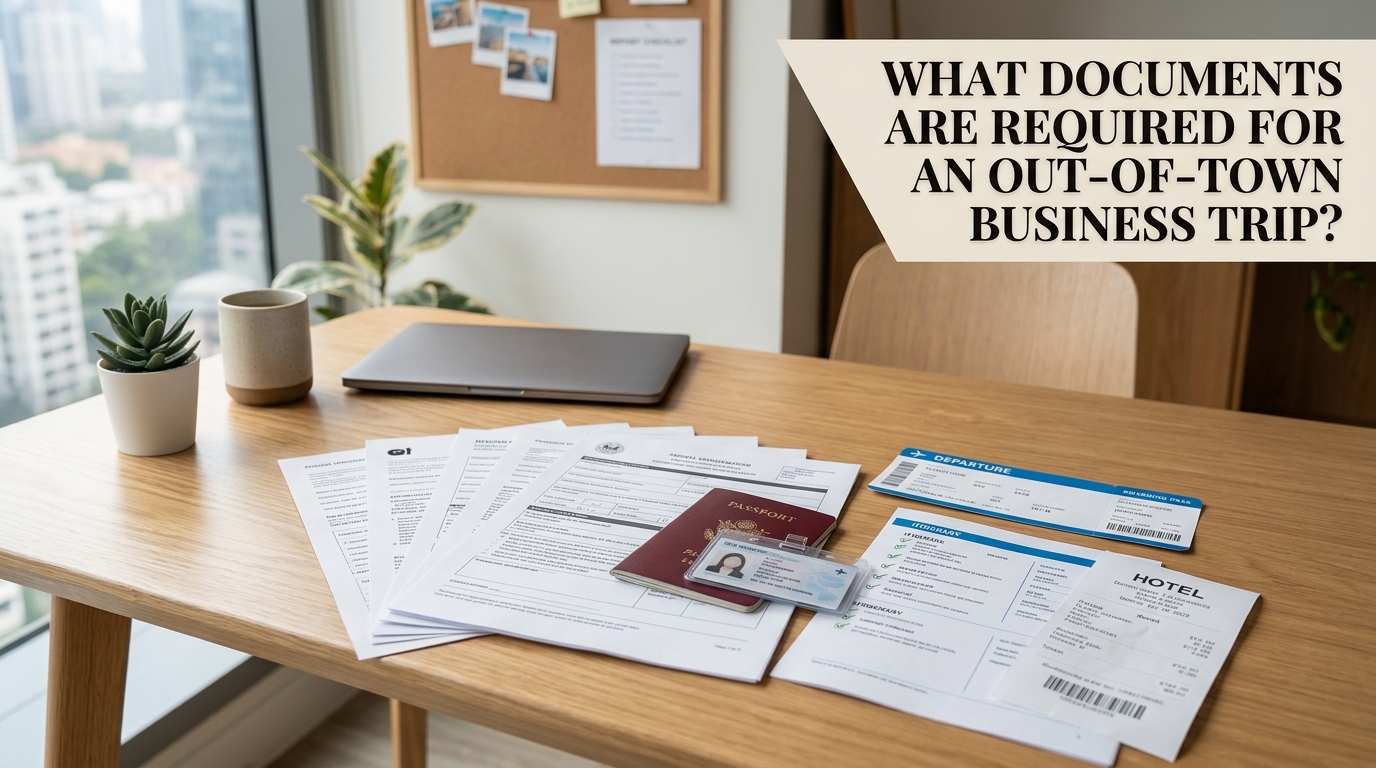
An out-of-town business trip requires proper documentation to help employees travel smoothly and complete their professional responsibilities. Employees may need to attend meetings, visit clients, inspect company facilities, or participate in training in another city. The documents required depend on the company's policies, the destination, the transportation method, and the purpose of the trip. Preparing these documents before departure can prevent delays, reduce confusion, and make expense reporting easier. Having complete and accurate travel documents helps employees stay organized and meet company requirements throughout the journey.
BUSINESS TRIP AUTHORIZATION LETTER
A business trip authorization letter is an official document confirming that an employee has permission to travel for work. It is usually issued or approved by an authorized manager or company representative. The letter may include the employee's name, destination, travel dates, business purpose, and the person responsible for approving the trip. Some companies use a formal letter, while others rely on an approved digital travel request. This document confirms that the trip is authorized by the company.
Employees should check that the information in the authorization letter matches their travel plans. If the destination, dates, or purpose changes, they may need to request an updated approval. They should also understand whether the company requires the letter to be carried during the trip or simply stored in its internal system. Following the correct procedure helps prevent administrative problems. Valid travel authorization supports accountability and ensures that employees follow company policy.
IDENTIFICATION DOCUMENTS
Employees should carry valid identification during an out-of-town business trip. For domestic travel, this may include a national identity card or another form of identification accepted by the transportation provider. Identification may be required when checking in, collecting tickets, entering certain facilities, or verifying a hotel reservation. Employees should confirm the specific requirements before departure because accepted documents can vary. Valid identification helps confirm an employee's identity and supports smoother travel arrangements.
The name on the identification document should match the name used for transportation bookings and other reservations whenever required. Employees should check that their documents are valid and easy to access. They should also protect their personal information and avoid leaving identification documents unattended. For international business trips, a valid passport is generally required, along with any additional entry documents applicable to the destination. Checking identification requirements in advance can prevent avoidable travel disruptions.
TRANSPORTATION TICKETS AND BOOKINGS
Transportation tickets are essential documents for employees traveling by train, bus, or airplane. They provide details such as the passenger's name, departure time, destination, and booking reference. Employees should verify these details after purchasing their tickets to identify errors before the journey begins. They should also check the departure station or airport and arrive early enough to complete the required procedures. Correct tickets and booking information help employees travel according to their planned schedule.
Employees should keep their tickets available in printed or digital form, depending on the transportation provider's requirements. It is useful to save booking confirmations in an accessible location in case an email or application becomes difficult to access. If a ticket is changed or canceled, employees should retain the updated confirmation. They should also follow company procedures for booking approval and reimbursement. Organized transportation records make travel easier to manage and support accurate expense reporting.
HOTEL RESERVATION CONFIRMATION
Employees who need overnight accommodation should keep their hotel reservation confirmation. This document typically includes the guest's name, hotel address, check-in and check-out dates, reservation number, and room details. It may also show the payment status and cancellation conditions. Checking this information before departure helps employees avoid problems when arriving at the accommodation. A confirmed reservation provides important information for a smooth check-in process.
Employees should verify that the hotel location is suitable for their business schedule and that the reservation covers the correct dates. If the company arranges accommodation, employees should confirm the booking with the responsible department. They should also keep the hotel's contact details available in case of delays or unexpected changes. Any cancellation or modification should be handled according to company policy. Keeping accommodation records accessible helps employees manage their stay and travel expenses.
BUSINESS ITINERARY AND MEETING AGENDA
A business itinerary outlines the activities planned during the trip. It may include meeting times, locations, client visits, training sessions, transportation arrangements, and contact information. The itinerary helps employees understand where they need to be and what they must prepare for each activity. It also allows supervisors and colleagues to coordinate work while the employee is away. A clear itinerary improves time management and reduces scheduling confusion.
A meeting agenda is also useful when the trip involves formal discussions. It identifies the main topics, participants, objectives, and expected decisions for a meeting. Employees can use it to prepare presentations, reports, questions, and other supporting materials. If appointments change, the itinerary and agenda should be updated and shared with the relevant people. Prepared schedules and agendas help employees use business travel time productively.
COMPANY ASSIGNMENT LETTER OR WORK INSTRUCTIONS
Some companies provide an assignment letter or written work instructions explaining what employees must accomplish during the trip. This document may describe the responsibilities assigned to the employee, the business activities involved, and the expected results. It can be especially useful for inspections, client visits, project coordination, or assignments involving several departments. Written instructions help employees understand their duties and stay focused on the purpose of the trip.
Employees should review the instructions before leaving and ask their supervisors about any unclear requirements. They may also need to prepare reports, collect information, or complete specific tasks during the journey. Keeping the instructions available makes it easier to confirm priorities when unexpected situations arise. After returning, employees can use them to check whether the assigned work has been completed. Clear work instructions support accountability and make it easier to evaluate trip results.
TRAVEL BUDGET AND EXPENSE APPROVAL DOCUMENTS
Business trips often involve expenses for transportation, accommodation, meals, and local travel. Depending on company policy, employees may need an approved travel budget, a travel advance form, or written authorization for certain expenses. These documents explain the amount of money allocated for the trip and the costs that the company allows. Employees should understand the spending limits before making purchases. Expense approval documents help employees manage company funds responsibly.
Employees should also keep receipts, invoices, and payment confirmations for eligible expenses. These records may be required when preparing an expense report after the trip. If an unexpected cost occurs, employees should follow the company's approval process and keep supporting evidence. Personal purchases should remain separate from business expenses. Complete financial documentation improves transparency and helps prevent reimbursement problems.
SUPPORTING BUSINESS DOCUMENTS
Depending on the purpose of the trip, employees may need additional documents related to their work activities. These can include client proposals, contracts, presentation slides, product catalogs, inspection checklists, meeting notes, or project reports. The required materials depend on the meetings and responsibilities scheduled during the journey. Preparing them in advance helps employees provide accurate information and work more effectively. Relevant supporting documents help employees complete their assignments and communicate professionally.
Employees should review these materials to ensure that the information is accurate and up to date. Confidential documents must be handled according to company security policies and shared only with authorized recipients. Digital files should be stored securely, and essential materials may be made available offline when necessary. Employees should also avoid carrying unnecessary sensitive information. Careful document preparation supports both professional performance and information security.
PASSPORT AND VISA REQUIREMENTS FOR INTERNATIONAL TRAVEL
For international business trips, employees generally need a valid passport and may need a visa or other entry authorization. The exact requirements depend on the employee's nationality, destination, length of stay, and purpose of travel. Some countries may also require supporting documents, such as an invitation letter from a business partner or evidence of accommodation. Employees should check official immigration information before making final travel arrangements. Confirming entry requirements early helps prevent denied boarding or problems at the border.
Employees should also check passport validity rules, visa conditions, and any other applicable entry requirements. A visa that permits tourism may not necessarily permit business activities, so the permitted purpose of travel must be verified. Depending on the destination, additional documents such as travel insurance or health-related certificates may be required. Because requirements can change, employees should confirm the latest rules with official authorities or the relevant embassy or consulate. International travel documents must match the specific requirements of the destination and the planned activities.
DOCUMENT CHECKLIST BEFORE DEPARTURE
Before leaving, employees should review all required documents to ensure nothing important has been forgotten. They should check travel authorization, identification, transportation tickets, accommodation confirmations, the itinerary, and any assignment instructions. Supporting business documents and expense approvals should also be prepared when necessary. Employees can use a checklist to mark each item as ready. A final document review reduces the risk of delays and last-minute problems.
It is helpful to keep important documents in an organized folder or secure digital location. Employees should make backups of essential records when appropriate and protect them from unauthorized access. They should also confirm which documents must be carried physically and which can be presented electronically. Finally, they should review company travel procedures and verify any destination-specific requirements. Good document management helps employees travel confidently and complete their business responsibilities efficiently.
CONCLUSION
The documents required for an out-of-town business trip depend on the destination, company policies, and purpose of travel. Common requirements include business trip authorization, valid identification, transportation tickets, hotel confirmations, a business itinerary, assignment instructions, and expense records. Employees may also need supporting business materials or a passport and visa for international travel. Preparing and checking these documents in advance helps prevent mistakes, supports financial accountability, and improves travel organization. A complete document checklist allows employees to focus on their work and achieve the objectives of the business trip.
Recent Posts

Bagaimana Sistem SKS pada Program Kuliah... 22.11.2026/57 View

How Does Technology Make Daily Evaluation... 21.11.2026/86 View

Apa Strategi Menghadapi Kesenjangan antara Kompetensi... 21.11.2026/84 View

Mengapa Inventaris Aset Penting bagi Kelancaran... 21.11.2026/82 View

When Should Musicians Join a Record... 21.11.2026/86 View
