

What Documents Are Required for Annual Tax Reporting?
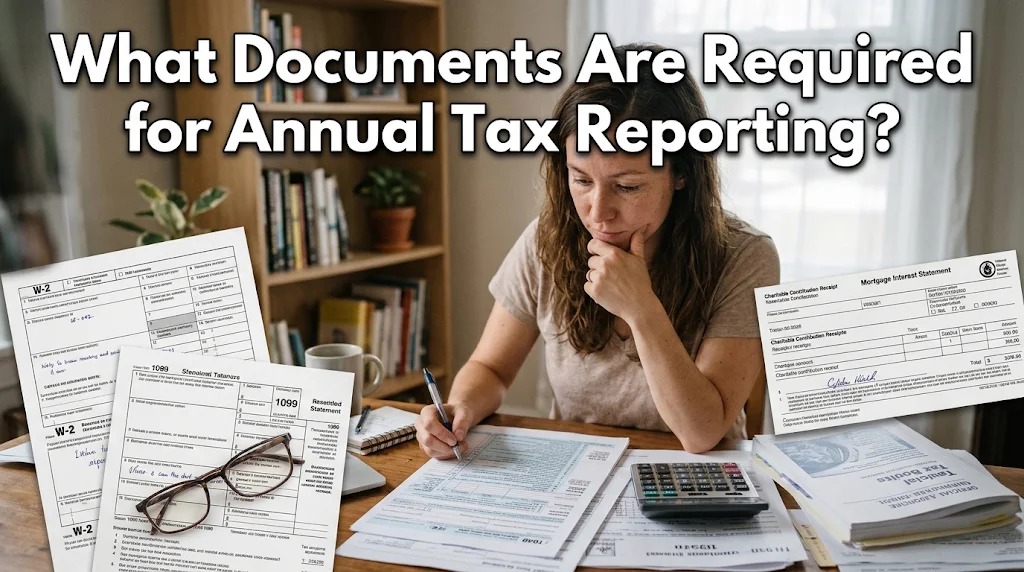
Annual tax reporting is an important responsibility for individuals and businesses because it provides information about income, financial activities, and tax obligations during a particular tax year. To complete the process correctly, taxpayers need to prepare several supporting documents before submitting their annual tax returns. These documents help ensure that the information reported is accurate and consistent with their financial records.
The required documents may differ depending on a taxpayer's employment status, income sources, and business activities. Employees generally need different supporting records from entrepreneurs, freelancers, or corporate taxpayers. Understanding the documents required for annual tax reporting can help taxpayers prepare in advance, avoid incomplete submissions, and make the reporting process more efficient.
TAXPAYER IDENTIFICATION AND PERSONAL INFORMATION
One of the first things taxpayers need to prepare is their personal identification and tax account information. Individuals generally need their Taxpayer Identification Number (NPWP) or the relevant identification details recognized by the current tax administration system. Accurate personal information helps ensure that the tax return is associated with the correct taxpayer.
Taxpayers should also check their registered account information, including contact details and other data required by the official reporting platform. If there have been changes to personal information, such as an address or other registration details, they may need to update the information according to the applicable procedures. This helps prevent administrative problems during the reporting process.
For business entities, the required identification documents may include company registration and tax information. The company should ensure that its legal and tax administration details are accurate before submitting its annual report. Correct taxpayer identification information is an essential foundation for completing tax reporting properly.
INCOME STATEMENTS AND TAX WITHHOLDING CERTIFICATES
Income statements are important supporting documents because they provide information about the income received during the tax year. Employees may need an annual income statement from their employers, such as Form 1721-A1 or 1721-A2, depending on their employment category. These documents contain relevant information about income and income tax withheld.
Individuals who earn income from freelance work, professional services, or business activities may need additional financial records. These can include invoices, payment receipts, sales records, and other documents that show the income received. Keeping these records organized throughout the year can make it easier to calculate and report taxable income.
Tax withholding certificates are also useful because they provide evidence of tax already deducted or paid during the year. Taxpayers should compare the information in these certificates with their income records before entering the details into the annual tax return. Accurate income and withholding information helps prevent inconsistencies in the reported tax calculation.
DOCUMENTS RELATED TO ASSETS, LIABILITIES, AND OTHER INCOME
Depending on the applicable reporting requirements, individuals may need to provide information about their assets and liabilities. Assets can include savings, bank deposits, land, buildings, vehicles, investments, and other forms of wealth. Meanwhile, liabilities may include outstanding loans or other financial obligations that need to be reported.
Taxpayers should prepare records that help identify the ownership and relevant value of these assets and liabilities. Supporting information may include bank statements, property documents, vehicle ownership records, investment statements, and loan documentation. The specific details required depend on the reporting rules and the taxpayer's circumstances.
Individuals who receive income outside their main employment may also need records of those earnings. Examples include rental income, investment returns, business profits, or other taxable income sources. Complete financial information helps taxpayers provide a more accurate overview of their financial circumstances during the reporting year.
BUSINESS FINANCIAL STATEMENTS AND ACCOUNTING RECORDS
Corporate taxpayers generally need more extensive documentation because their annual tax reporting involves business transactions and financial performance. Important documents may include income statements, balance sheets, accounting records, sales reports, expense records, and other financial statements. These documents help provide a structured overview of the company's financial activities.
Businesses may also need supporting records for deductible expenses, tax payments, withholding taxes, and other transactions relevant to their tax calculations. Invoices, receipts, contracts, bank statements, and payment records can help verify the information included in the financial statements. Proper documentation is especially important for businesses with numerous transactions throughout the year.
Companies should coordinate their accounting and tax administration processes before preparing annual tax returns. Financial information needs to be reviewed to ensure consistency between accounting records and tax reporting requirements. Well-organized accounting documents can help businesses prepare more reliable tax reports and respond to administrative requests when necessary.
ORGANIZING DOCUMENTS BEFORE SUBMITTING THE ANNUAL TAX RETURN
Preparing tax documents early can make the annual reporting process more manageable. Taxpayers can begin by collecting income statements, withholding certificates, financial records, and other relevant documents throughout the year. Keeping these records in clearly labeled folders, whether digitally or physically, can reduce the risk of losing important information.
Before submitting the tax return, taxpayers should review every document and compare the information with the details entered into the official reporting platform. They should check names, identification numbers, income amounts, tax payments, and other required information. If any data appears inconsistent, the taxpayer should verify the correct information before completing the submission.
Digital storage can also help taxpayers maintain organized records. However, documents containing personal or financial information should be stored securely and accessed only by authorized individuals. Early preparation and careful document verification can reduce administrative errors and help taxpayers complete their annual reporting responsibilities more efficiently.
CONCLUSION
The documents required for annual tax reporting generally include taxpayer identification information, income statements, tax withholding certificates, asset and liability records, and other supporting financial documents. Corporate taxpayers may also need financial statements, accounting records, invoices, and business transaction reports. The exact requirements depend on the taxpayer's category, income sources, and applicable tax regulations.
To make the reporting process easier, taxpayers should collect and organize their documents throughout the year rather than waiting until the submission deadline approaches. Reviewing the accuracy of financial information and keeping secure copies of supporting records are also important steps. With proper preparation, annual tax reporting can be completed more accurately, efficiently, and in accordance with applicable requirements.
Recent Posts

How Does Technology Make Daily Evaluation... 21.11.2026/58 View

Apa Strategi Menghadapi Kesenjangan antara Kompetensi... 21.11.2026/60 View

Mengapa Inventaris Aset Penting bagi Kelancaran... 21.11.2026/56 View

When Should Musicians Join a Record... 21.11.2026/55 View

Daily Evaluation or Daily Planning Which... 21.11.2026/63 View
