

What Economic Benefits Can Village Tourism Awareness Groups Bring to Local Communities?
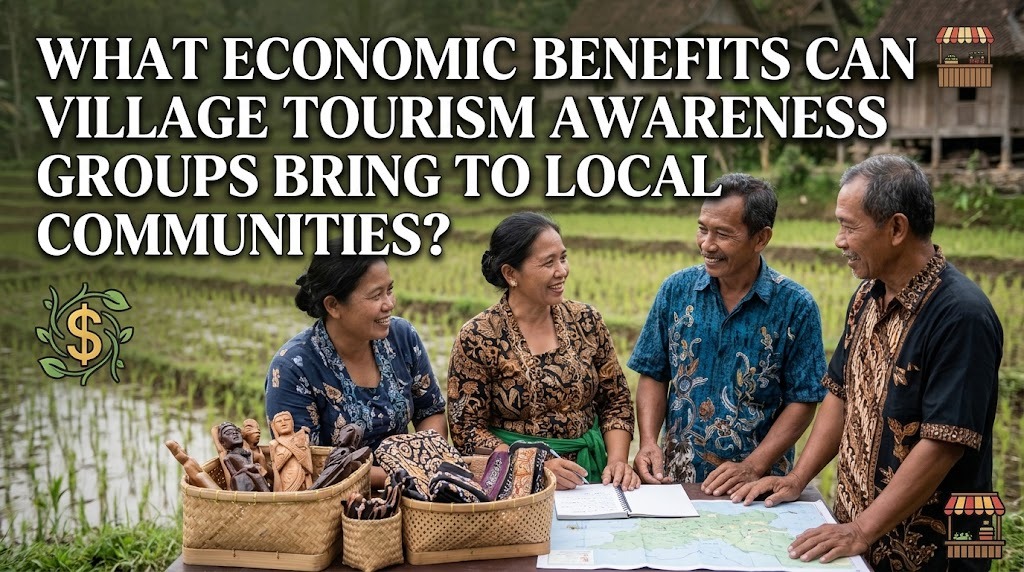
Village tourism development can create significant economic opportunities for communities when it is managed effectively and involves local residents. Village Tourism Awareness Groups, commonly known as Pokdarwis in Indonesia, play an important role in encouraging community participation and developing local tourism potential. Their activities can help attract visitors, support small businesses, create employment opportunities, and increase income for village residents. Beyond promoting tourist attractions, these groups also help connect local resources with economic activities that benefit the wider community. Understanding these economic benefits is important for recognizing how village tourism can contribute to long-term local development.
INCREASING INCOME FOR LOCAL RESIDENTS
One of the most direct economic benefits of village tourism awareness groups is the opportunity to increase household income. When tourism destinations attract more visitors, demand for local products and services may also increase. Residents can earn additional money by selling traditional food, operating small shops, providing accommodation, offering transportation services, or becoming local tour guides. These activities create opportunities for families to benefit directly from tourism.
Tourism groups can support these opportunities by organizing local businesses and introducing their products to visitors. They may also develop tourism packages that include local culinary experiences, cultural activities, and visits to small businesses. This approach allows visitors to spend money within the village instead of relying entirely on businesses from outside the area. Through local income generation, tourism can become an additional source of financial support for households.
CREATING EMPLOYMENT OPPORTUNITIES
Village tourism development can create various employment opportunities for people with different educational backgrounds and skills. Tourism activities require workers in areas such as hospitality, transportation, food services, destination maintenance, guiding, and event organization. These opportunities can help residents find work without having to move to larger cities or other regions. Young people may also gain opportunities to develop professional skills through tourism-related activities.
Employment opportunities can extend to indirect economic activities as well. For example, an increase in visitors may create greater demand for agricultural products, handicrafts, construction services, and local transportation. Farmers can supply fresh ingredients to restaurants, while craft producers can provide souvenirs for tourism shops. These connections help expand the local economy beyond the tourism sector itself. Job creation is therefore one of the important contributions of community-based tourism development.
SUPPORTING THE GROWTH OF SMALL AND MICRO BUSINESSES
Village Tourism Awareness Groups can encourage the development of small businesses by connecting local entrepreneurs with tourism activities. Visitors often need food, accommodation, souvenirs, transportation, and other services during their trips. This demand creates opportunities for residents to establish or expand micro and small enterprises. Businesses that offer authentic local products may have particular advantages because they provide experiences that visitors cannot easily find elsewhere.
Tourism groups can also help business owners participate in promotional activities, exhibitions, training programs, and collaborative tourism packages. For example, a village tourism package may include a traditional cooking activity, a handicraft workshop, and a visit to a local agricultural business. These activities introduce small businesses to potential customers and encourage cooperation among entrepreneurs. Through small business development, tourism can strengthen local entrepreneurship and create more diverse sources of income.
INCREASING VILLAGE REVENUE AND SUPPORTING INFRASTRUCTURE
Successful tourism activities can also contribute to village revenue through legally established tourism services and business arrangements. Depending on local regulations and management agreements, income may come from entrance fees, parking services, tourism facilities, event activities, or other authorized sources. These funds can support destination operations and provide additional resources for village development. Transparent financial management is necessary to ensure that tourism income is used appropriately.
Village revenue can also help improve infrastructure and public facilities that support tourism and everyday community activities. Improvements may include better roads, sanitation facilities, public lighting, waste management systems, information boards, and parking areas. These facilities can make destinations more comfortable for visitors while improving residents' quality of life. Village economic development becomes more effective when tourism income is managed responsibly and contributes to shared community needs.
ENCOURAGING LOCAL PRODUCT DEVELOPMENT AND INVESTMENT
Tourism activities can increase demand for products that reflect the identity and resources of a village. Traditional food, agricultural products, handicrafts, textiles, and locally produced souvenirs may become more valuable when introduced to visitors. Tourism groups can help residents identify market opportunities and improve product presentation, packaging, and quality. These improvements can make local products more competitive and increase their potential to reach wider markets.
Growing tourism demand may also encourage investment in local businesses and supporting facilities. Residents may become interested in developing homestays, restaurants, transportation services, recreation facilities, and other tourism-related enterprises. External partners may also consider investing when a destination demonstrates good management and development potential. However, investment should be planned carefully to protect community interests and local resources. Local entrepreneurship and investment can create additional economic opportunities when supported by responsible tourism planning.
REDUCING ECONOMIC INEQUALITY THROUGH COMMUNITY PARTICIPATION
Village tourism awareness groups can help distribute economic opportunities among different groups of residents. Tourism activities can involve women, young people, farmers, craft producers, cultural practitioners, and other community members. Each group can contribute according to its abilities and available resources. This inclusive approach helps ensure that tourism benefits are not limited to a small number of business owners or influential individuals.
Community participation can also encourage residents with limited financial resources to become involved in tourism activities. For example, people may work as local guides, provide traditional performances, sell homemade food, or participate in community-based tourism services. Training and cooperation can help them improve their skills and access new opportunities. When benefits are distributed fairly, inclusive economic growth can strengthen community welfare and reduce dependence on a limited number of income sources.
CONCLUSION
Village Tourism Awareness Groups can bring various economic benefits to local communities, including increased household income, employment opportunities, small business development, higher village revenue, and greater investment potential. Their activities can also support local product development and create more inclusive economic opportunities for residents. However, these benefits depend on effective management, fair participation, responsible financial practices, and sustainable tourism planning. Ultimately, community-based tourism development can become an important driver of local economic growth while improving the welfare of village residents.
Recent Posts

Bagaimana Sistem SKS pada Program Kuliah... 22.11.2026/37 View

How Does Technology Make Daily Evaluation... 21.11.2026/70 View

Apa Strategi Menghadapi Kesenjangan antara Kompetensi... 21.11.2026/73 View

Mengapa Inventaris Aset Penting bagi Kelancaran... 21.11.2026/68 View

When Should Musicians Join a Record... 21.11.2026/71 View
