

What Effects Can Gadgets Have on Sleep Quality?
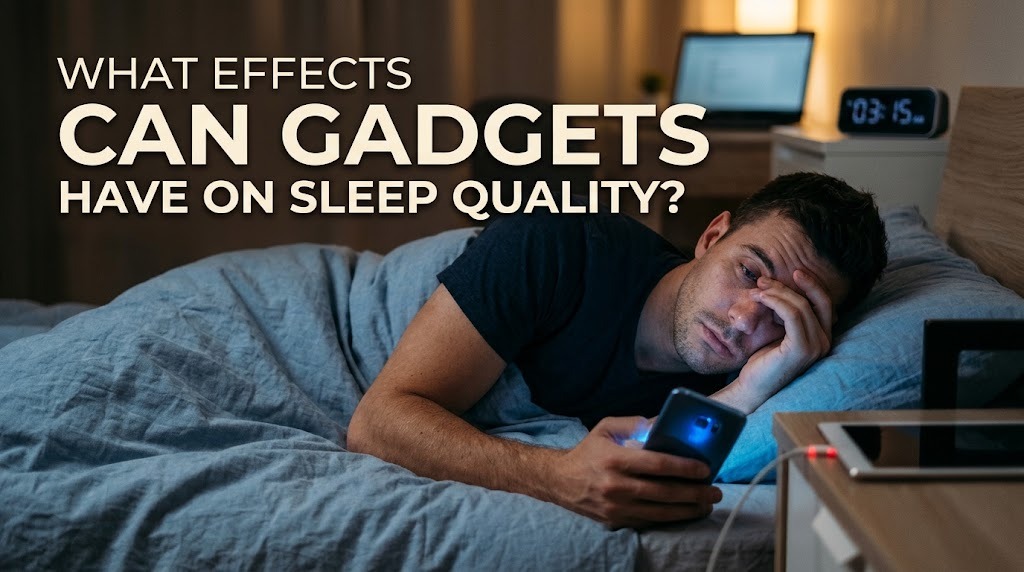
Gadgets such as smartphones, tablets, laptops, and televisions have become part of everyday life. People use them for studying, working, communicating, and entertainment. Although these devices offer many benefits, using them excessively, particularly before bedtime, can affect sleep quality and make it more difficult to maintain a healthy sleeping routine.
Sleep is essential for physical recovery, memory, concentration, and emotional well-being. When gadget use interferes with sufficient and restful sleep, people may experience tiredness, reduced productivity, and difficulty managing daily activities. Understanding how electronic devices affect sleep can help individuals develop healthier screen habits without giving up the benefits of technology.
BLUE LIGHT CAN AFFECT THE SLEEP CYCLE
Electronic screens emit blue-enriched light that can influence the body's natural sleep-wake cycle. Light exposure in the evening may suppress melatonin, a hormone that helps regulate the timing of sleep. This effect can make the body feel more alert when it would normally begin preparing for rest.
The impact depends on factors such as screen brightness, duration of exposure, and the time of day. Using a bright screen close to bedtime may delay sleep for some people, especially when the surrounding environment is dark. Reducing screen brightness and limiting evening exposure can help support the body's natural sleep signals.
GADGETS CAN DELAY BEDTIME
Using gadgets at night can make people lose track of time. Watching videos, playing games, reading online content, or browsing social media can continue longer than intended. As a result, people may go to bed later than planned and receive less sleep than their bodies need.
This habit can become particularly problematic when people must wake up early for school, work, or other responsibilities. Repeatedly shortening sleep may lead to daytime fatigue and reduced concentration. Setting a specific time to stop using gadgets can help establish a more consistent bedtime.
MENTAL STIMULATION CAN MAKE IT HARDER TO FALL ASLEEP
Some digital activities keep the brain mentally active when it needs to relax. Competitive games, exciting videos, and emotionally engaging conversations can increase alertness and make it harder to transition into sleep. Content that causes worry or frustration may also leave people thinking about problems after putting their devices away.
A calming bedtime routine can help reduce this stimulation. Instead of engaging with fast-paced content, people can try reading a printed book, listening to relaxing audio, stretching gently, or practicing slow breathing. Choosing quieter activities before bed may make it easier to unwind.
SOCIAL MEDIA CAN INCREASE STRESS
Social media provides opportunities to connect with others, but certain online experiences can contribute to stress or emotional discomfort. Comparing personal experiences with idealized posts, worrying about messages, or feeling pressure to respond immediately may interfere with relaxation. Negative news and online conflicts can also make it harder to settle down at night.
Notifications may encourage people to check their phones repeatedly, even after they have gone to bed. Turning off nonessential notifications and avoiding stressful content in the evening can reduce interruptions. Creating boundaries around social media use may support both emotional well-being and better sleep habits.
GADGETS CAN INTERRUPT SLEEP DURING THE NIGHT
Keeping a smartphone beside the bed can encourage frequent checking of messages, notifications, or the time. Screen light and mental engagement may make it harder to return to sleep after waking. Sounds, vibrations, and incoming calls can also interrupt rest when notifications are enabled.
To reduce these disruptions, consider placing the phone away from the bed and activating Do Not Disturb mode. If a phone is needed for emergencies or as an alarm, important contacts can be allowed through while unnecessary alerts are silenced. A quieter sleeping environment can make it easier to maintain uninterrupted rest.
POOR SLEEP CAN AFFECT DAILY PERFORMANCE
When gadget use regularly reduces sleep duration or quality, its effects may become noticeable during the day. People may feel sleepy, have difficulty concentrating, forget information more easily, or take longer to complete tasks. Lack of adequate sleep can also affect mood and make everyday stress more difficult to manage.
Students may find it harder to remember lessons or remain attentive in class, while workers may struggle to maintain productivity. These effects are not caused by gadgets alone, because stress, health conditions, and irregular schedules can also influence sleep. However, improving evening screen habits is one practical step toward supporting better rest.
NIGHT MODE AND SCREEN FILTERS HAVE LIMITATIONS
Many devices offer night mode, warm color settings, or blue-light filters. These features reduce some blue light emitted by the screen and may make nighttime viewing more comfortable. However, they do not eliminate all effects of screen use on sleep.
Even with a filter enabled, stimulating content, bright screens, and delayed bedtimes can still interfere with rest. Therefore, night mode should be treated as a supplementary measure rather than a complete solution. Limiting screen time before bed and maintaining a regular sleep schedule remain important strategies.
HEALTHY GADGET HABITS CAN IMPROVE SLEEP QUALITY
Developing consistent digital habits can help reduce the effects of gadgets on sleep. One useful strategy is to stop using interactive screens around 30 to 60 minutes before bedtime when practical. This gives people time to relax and reduces the chance of continuing stimulating activities late into the night.
Other helpful habits include keeping gadgets out of bed, lowering screen brightness in the evening, silencing unnecessary notifications, and maintaining a consistent sleep and wake time. People should also create a comfortable sleeping environment that is dark, quiet, and cool enough for restful sleep. Small changes practiced consistently can make bedtime more predictable.
FIND A BALANCE BETWEEN TECHNOLOGY AND REST
Completely avoiding gadgets is not necessary for most people. Electronic devices can support education, communication, work, and relaxation when used thoughtfully. The important factor is whether their use interferes with sleep duration, bedtime routines, or the ability to relax.
Individuals can evaluate their habits by noticing how they feel after nights with different amounts of screen time. If late-night gadget use is followed by difficulty falling asleep or daytime tiredness, adjusting the routine may help. Persistent sleep problems should be discussed with a qualified healthcare professional, particularly when they affect daily functioning.
CONCLUSION
Gadgets can affect sleep quality by exposing people to evening light, delaying bedtime, increasing mental stimulation, and interrupting nighttime rest. These effects may contribute to tiredness, reduced concentration, and changes in mood when sleep becomes insufficient or disrupted.
People can reduce these risks by setting screen-time boundaries, limiting stimulating content before bed, silencing notifications, and maintaining a regular sleep schedule. Using technology responsibly allows individuals to enjoy its benefits while protecting the quality of their sleep.
Recent Posts

Bagaimana Sistem SKS pada Program Kuliah... 22.11.2026/61 View

How Does Technology Make Daily Evaluation... 21.11.2026/87 View

Apa Strategi Menghadapi Kesenjangan antara Kompetensi... 21.11.2026/85 View

Mengapa Inventaris Aset Penting bagi Kelancaran... 21.11.2026/83 View

When Should Musicians Join a Record... 21.11.2026/87 View
