

What Environmental Risks Come from Construction Waste?
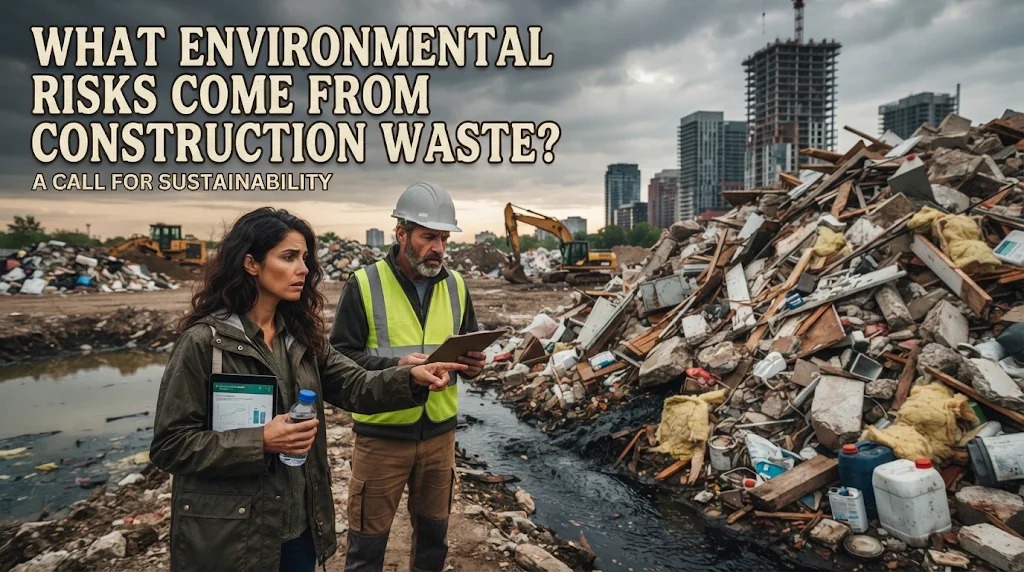
Construction waste is a major environmental concern because building, renovation, and demolition activities generate large quantities of discarded materials. These materials include concrete, bricks, wood, metal, plastic, glass, paint containers, and other construction debris. When waste is not handled properly, it can accumulate in open spaces, enter waterways, or release harmful substances into the surrounding environment.
The environmental risks depend on the type of material, its chemical composition, and the way it is collected and disposed of. Some construction waste can be safely reused or recycled, while other materials require special treatment. Understanding these risks is essential for protecting natural resources, maintaining public health, and encouraging more responsible construction practices.
SOIL CONTAMINATION
Improper disposal of construction waste can affect soil quality, particularly when materials contain chemicals, oils, paints, solvents, or other potentially hazardous substances. These pollutants may enter the ground when waste is abandoned in open areas or stored without proper protection.
Contaminated soil can affect plant growth and disrupt organisms that contribute to healthy soil conditions. In some cases, pollutants may also move through the soil and reach underground water sources. Proper waste separation and controlled disposal help reduce the possibility of soil contamination.
WATER POLLUTION
Construction waste can pollute rivers, lakes, drainage channels, and other water sources when debris is dumped carelessly. Fine particles from concrete, cement, and soil may enter waterways through rainwater runoff. Certain chemicals from coatings, cleaning products, and construction materials can also contaminate water if they are released without proper treatment.
Water pollution can affect aquatic organisms and reduce the quality of water available for human activities. Construction companies should use suitable storage areas, drainage controls, and waste collection systems to prevent pollutants from entering nearby waterways.
AIR POLLUTION FROM CONSTRUCTION DUST
Construction and demolition activities can produce large amounts of dust from cutting, drilling, crushing, and transporting materials. Fine particles may become airborne and spread beyond construction sites, especially during dry and windy conditions.
Dust can reduce local air quality and cause respiratory irritation among workers and nearby residents. Activities involving concrete, masonry, and other dusty materials require appropriate controls, such as water spraying, dust collection equipment, and protective barriers. Covering transported materials can also prevent particles from spreading.
INCREASED LANDFILL PRESSURE
Large volumes of construction waste can place additional pressure on landfill facilities. Concrete, bricks, soil, and other bulky materials occupy considerable space, reducing the capacity available for other types of waste.
When disposal sites receive more waste than they can manage effectively, communities may face additional environmental and operational challenges. Recovering reusable materials and recycling suitable construction debris can reduce the amount of waste sent to landfills and extend the useful capacity of disposal facilities.
DAMAGE TO NATURAL ECOSYSTEMS
Uncontrolled construction waste disposal can damage natural habitats when debris is dumped in forests, wetlands, riverbanks, or other sensitive environments. Waste materials may cover vegetation, change soil conditions, and interfere with the movement of water.
These changes can affect plants, insects, birds, and other wildlife that depend on healthy ecosystems. Construction projects should therefore include proper waste management plans and avoid using natural areas as unofficial disposal locations.
BLOCKED DRAINAGE AND FLOODING RISKS
Discarded construction materials can block drainage channels, culverts, and waterways when they are left in inappropriate locations. Concrete fragments, plastic packaging, wood pieces, and soil can restrict the flow of rainwater.
Blocked drainage systems may increase the risk of localized flooding, particularly in densely populated areas with limited water absorption. Regular site inspections, proper debris collection, and responsible transportation can help prevent waste from entering drainage infrastructure.
HAZARDOUS MATERIAL EXPOSURE
Some construction and demolition waste may contain hazardous substances that require special handling. Examples include asbestos-containing materials in older buildings, lead-based paint residues, chemical containers, and certain treated materials.
If these substances are broken, burned, or disposed of carelessly, harmful particles or chemicals may be released into the environment. Workers and nearby communities can face exposure risks through inhalation, direct contact, or contaminated dust. Hazardous materials should be identified and managed by trained personnel according to applicable safety regulations.
GREENHOUSE GAS EMISSIONS
Construction waste can contribute to greenhouse gas emissions through several stages of its life cycle. Producing replacement materials requires energy and natural resources, while transporting waste and operating disposal or recycling facilities can also consume fuel and electricity.
Discarding reusable materials means that additional resources may be needed for future construction projects. Reusing building components, recycling suitable materials, and improving construction planning can reduce unnecessary production and transportation. These practices can support efforts to lower the environmental impact of the construction industry.
RESOURCE DEPLETION
Construction materials often come from natural resources such as sand, stone, timber, minerals, and metal ores. When usable materials are discarded instead of recovered, more raw resources may need to be extracted to meet future demand.
Excessive extraction can affect landscapes, habitats, and natural systems. Recycling concrete, recovering metals, reusing timber, and reducing material consumption can help conserve resources. Efficient material management also reduces unnecessary spending during construction projects.
HOW TO REDUCE ENVIRONMENTAL RISKS
Reducing the environmental impact of construction waste requires careful planning before, during, and after construction activities. Companies should estimate material requirements accurately, select durable products, and organize construction sites to prevent unnecessary damage and waste.
Waste should be separated according to its type, with reusable and recyclable materials directed to appropriate recovery facilities. Hazardous materials must receive specialized treatment, while general construction debris should be transported to authorized disposal locations. Regular inspections and worker training can strengthen these practices.
CONCLUSION
Construction waste can create several environmental risks, including soil contamination, water pollution, air pollution, habitat damage, blocked drainage, and increased landfill pressure. Hazardous substances, greenhouse gas emissions, and excessive resource consumption can also contribute to long-term environmental problems.
These risks can be reduced through responsible material use, proper waste separation, recycling, and safe disposal procedures. Cooperation between construction companies, workers, waste management providers, and local authorities is essential for creating cleaner construction sites and protecting the environment.
Recent Posts

How Does Technology Make Daily Evaluation... 21.11.2026/58 View

Apa Strategi Menghadapi Kesenjangan antara Kompetensi... 21.11.2026/60 View

Mengapa Inventaris Aset Penting bagi Kelancaran... 21.11.2026/56 View

When Should Musicians Join a Record... 21.11.2026/55 View

Daily Evaluation or Daily Planning Which... 21.11.2026/63 View
