

What Equipment Do Professional Radio Announcers Use?
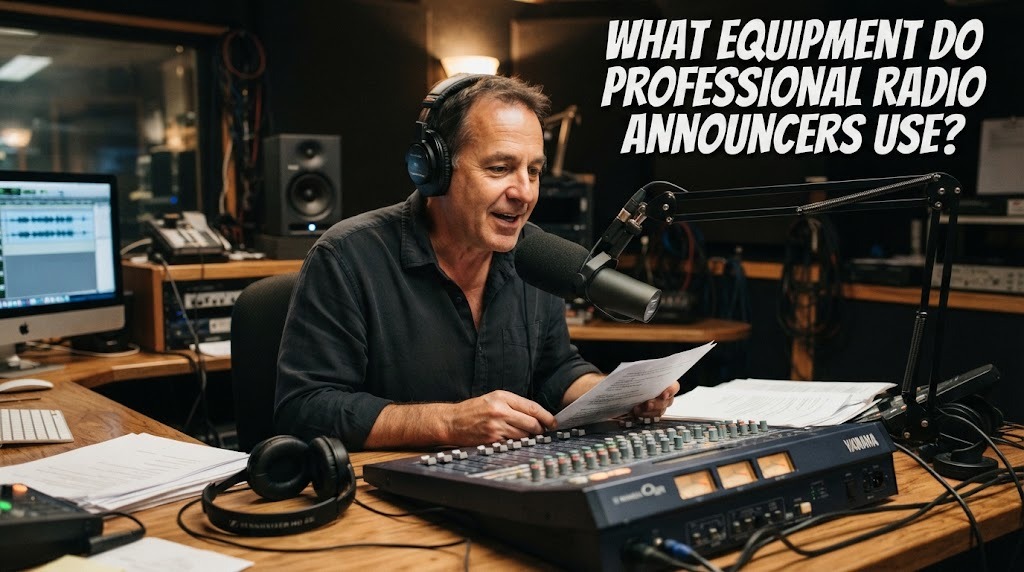
Professional radio announcers rely on various types of equipment to deliver clear, stable, and engaging broadcasts. Although the announcer is the person listeners hear, many technical devices work together behind the scenes to produce the final audio. Microphones, headphones, audio mixers, computers, and broadcasting software are among the most common tools found in a radio studio. Each piece of equipment has a specific function and must be used correctly. Understanding this equipment helps radio announcers work more confidently and maintain consistent audio quality.
MICROPHONE FOR CLEAR VOICE RECORDING
A microphone is one of the most important pieces of equipment for a radio announcer because it captures the announcer's voice. Professional studios commonly use high-quality dynamic or condenser microphones depending on the studio design and broadcasting requirements. A good microphone can produce clear vocal detail while reducing unwanted noise when positioned and used correctly. The announcer also needs to maintain an appropriate distance from the microphone to achieve consistent sound.
Microphone technique is just as important as microphone quality. Speaking too close can create excessive breath sounds or unwanted low-frequency effects, while speaking too far away can make the voice sound weak. Announcers should learn how to position themselves and maintain a consistent speaking distance during a broadcast.
HEADPHONES FOR MONITORING AUDIO
Headphones allow radio announcers to hear their own voice, music, advertisements, interviews, and other audio during a broadcast. Closed-back headphones are often useful in studios because they help prevent audio from leaking into the microphone. Monitoring through headphones allows announcers to recognize problems such as low volume, distortion, or unwanted background sounds.
Headphones are also useful when communicating with producers or monitoring guests during interviews. An announcer needs to hear what is happening in the broadcast while continuing to speak naturally. Comfortable headphones are therefore important, especially during programs that last for several hours.
AUDIO MIXER OR MIXING CONSOLE
An audio mixer controls and combines different audio sources before they are sent to the broadcasting system. These sources can include microphones, music players, telephone calls, computers, and other studio equipment. The mixer allows operators to adjust volume levels and control how different sounds are combined. In many radio stations, the mixer is operated by a radio announcer, producer, or technical operator depending on the station's workflow.
Using a mixer properly helps maintain balanced audio throughout the program. The announcer or operator can lower background music while speaking and increase it during transitions. Proper level management prevents the voice from being covered by music or becoming unnecessarily loud.
COMPUTER AND BROADCASTING SOFTWARE
Modern radio stations commonly use computers to manage audio content and broadcasting activities. Broadcasting software can help organize music, advertisements, recorded segments, station IDs, playlists, and other audio files. Some systems also provide tools for scheduling content and automating parts of a program. This allows radio stations to manage large amounts of audio more efficiently.
Radio announcers may use the computer to access scripts, listener messages, news information, and scheduled content. They need basic computer skills to operate these systems smoothly. Familiarity with broadcasting software can also help announcers respond quickly when the program schedule changes.
AUDIO PROCESSOR FOR CONSISTENT SOUND
An audio processor is used to modify and control the characteristics of broadcast audio. Depending on the system, it can help manage volume, dynamics, equalization, and other aspects of the sound. The goal is generally to produce a consistent listening experience and prevent large differences in audio levels. Processing is normally configured by technical staff or broadcasting engineers.
Radio announcers do not necessarily need to operate every processing function themselves. However, understanding the basic purpose of audio processing can help them recognize why their voice may sound different under certain settings. This knowledge can also make communication with technical staff more effective.
MICROPHONE STAND AND POP FILTER
A microphone stand keeps the microphone stable and positioned correctly during broadcasting. A stable position allows the announcer to maintain a consistent distance from the microphone while speaking. Some studios also use boom arms, which allow the microphone to be adjusted easily according to the announcer's position.
A pop filter or windscreen can help reduce strong bursts of air caused by certain speech sounds. These bursts can create unpleasant noises when recorded by a sensitive microphone. Using the appropriate microphone accessories can therefore improve vocal clarity and make the recording more comfortable to listen to.
COMMUNICATION SYSTEMS FOR THE STUDIO
Radio studios often use communication systems that allow announcers to communicate with producers and other staff members. Intercom systems or studio communication channels can provide instructions without interrupting the broadcast audio. This becomes particularly useful during live programs, interviews, and breaking situations.
Communication equipment can also help coordinate guests and technical operators. When several people are involved in producing a program, clear internal communication reduces confusion. A well-coordinated studio allows the announcer to focus more effectively on the audience and content.
TELEPHONE AND ONLINE CALLING EQUIPMENT
Many radio programs allow listeners or guests to participate through telephone calls or online communication platforms. Radio stations may use telephone interfaces or digital communication systems to connect these calls to the studio mixer. This equipment allows the announcer to speak with people outside the studio while keeping the conversation part of the broadcast.
Before putting a caller or guest on air, the station may need to check the audio quality and connection. Poor connections can create delays, noise, or interruptions. Announcers should therefore understand how to introduce and manage remote participants smoothly.
CONCLUSION
Professional radio announcers use a combination of audio, computer, and communication equipment to produce high-quality broadcasts. The microphone captures the voice, headphones provide audio monitoring, and the mixer controls different sound sources. Computers and broadcasting software help manage content, while audio processors and microphone accessories support consistent and clean sound. Communication and telephone systems also make it possible to interact with producers, guests, and listeners. Although technology continues to develop, understanding the basic function of each piece of equipment remains an important part of becoming a professional radio announcer.
Recent Posts

Bagaimana Sistem SKS pada Program Kuliah... 22.11.2026/35 View

How Does Technology Make Daily Evaluation... 21.11.2026/69 View

Apa Strategi Menghadapi Kesenjangan antara Kompetensi... 21.11.2026/69 View

Mengapa Inventaris Aset Penting bagi Kelancaran... 21.11.2026/67 View

When Should Musicians Join a Record... 21.11.2026/68 View
