

What Essential Equipment Should Every School Health Room Have?
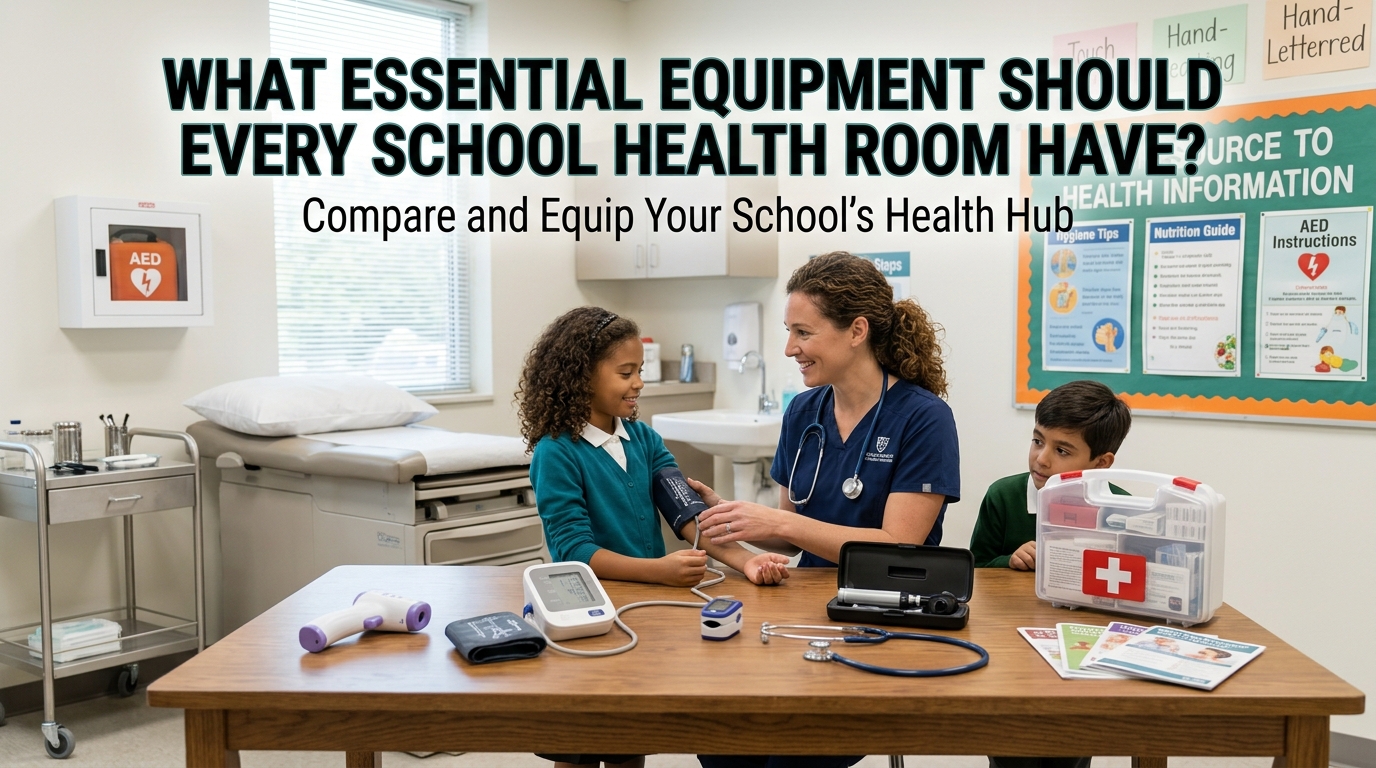
A school health room is an important facility that helps maintain students' health and safety during school activities. Students may experience minor injuries, headaches, dizziness, fever, or other health problems while attending classes. Having proper medical equipment allows school staff to provide basic first aid and initial assistance before students receive further medical attention if necessary. A well-equipped health room also supports school health programs and creates a safer learning environment. Therefore, every school should prepare essential medical supplies and equipment according to students' needs, available resources, and applicable health standards.
1. FIRST AID KIT
A first aid kit is one of the most essential items that every school health room should have. It contains basic medical supplies used to provide immediate assistance for minor injuries, such as small cuts, scratches, and minor wounds. Common contents include sterile gauze, adhesive bandages, medical tape, disposable gloves, antiseptic products, and scissors with safe rounded tips. These supplies help school staff manage minor injuries while preventing unnecessary contamination. The first aid kit should be stored in a clean, dry, and easily accessible location.
Schools should regularly check the contents of their first aid kits to ensure that all supplies are complete and safe to use. Expired, damaged, or contaminated products must be replaced immediately. Staff members should also understand how to use each item correctly and recognize situations that require professional medical assistance. A complete first aid kit helps schools respond more effectively to common accidents and minor health problems.
2. DIGITAL THERMOMETER
A digital thermometer is useful for checking students' body temperatures when they report feeling unwell. Fever can be a symptom of various infections or other health conditions, so measuring body temperature helps school staff understand a student's condition. Digital thermometers are generally easy to operate and provide temperature readings quickly. Schools can choose suitable models, such as digital contact thermometers or infrared thermometers, depending on their needs. Having this equipment allows staff to perform basic health checks more conveniently.
Proper cleaning and handling are important when using thermometers, especially models that come into contact with the body. Schools should follow the manufacturer's instructions for cleaning, storage, and use. Staff should also understand that a temperature reading alone cannot determine the cause of an illness. If a student has a high fever or other concerning symptoms, the school should contact the parents and recommend appropriate medical evaluation.
3. BLOOD PRESSURE MONITOR
A blood pressure monitor can support basic health screening for students when recommended by qualified healthcare personnel. This device measures blood pressure and displays information about systolic and diastolic pressure. Some schools may use it during health examinations or special health programs conducted with healthcare professionals. It can help identify readings that require further assessment, although a single measurement is not enough to establish a diagnosis. Proper equipment and appropriate measurement techniques are necessary to obtain reliable results.
Schools should choose a blood pressure monitor with suitable cuff sizes, particularly because children's arm sizes differ from those of adults. Staff members who operate the device should receive appropriate guidance or training. Measurements should be interpreted according to age-appropriate clinical references by qualified healthcare professionals. Accurate health monitoring helps schools recognize potential concerns and arrange suitable follow-up when needed.
4. MEDICAL COT OR EXAMINATION BED
A medical cot or examination bed provides a comfortable place for students who feel unwell or need initial medical attention. Students experiencing dizziness, fatigue, headaches, or minor injuries may need to rest temporarily before returning to class or going home. A suitable cot helps school staff assess students in a more organized and comfortable environment. It should have a clean surface, a supportive mattress, and enough space for safe access. The equipment should also be placed in an area that provides adequate privacy.
Schools need to maintain the cleanliness of the medical cot by regularly changing and washing its sheets or covers. The surrounding area should also be kept free from unnecessary objects that could cause accidents. If a student's condition becomes serious, the cot should only be used while arranging appropriate medical assistance. It is important to remember that a medical cot is for temporary care, not a replacement for hospital treatment.
5. DISPOSABLE GLOVES AND FACE MASKS
Disposable gloves and face masks are important protective supplies in a school health room. Gloves help reduce direct contact with blood, body fluids, and potentially contaminated materials when providing first aid. Face masks may also be useful when assisting students with respiratory symptoms, depending on the situation and applicable health guidance. These supplies help support infection prevention and protect both students and school staff. They should be available in different sizes and stored in clean, dry packaging.
Staff members must understand that gloves do not replace proper handwashing. Hands should be cleaned before and after providing care, and used gloves must be disposed of appropriately. Masks should also be replaced when they become wet, dirty, or damaged. By maintaining sufficient protective equipment, schools can improve hygiene practices and reduce the risk of disease transmission.
6. WOUND CARE AND CLEANING SUPPLIES
Wound care supplies are necessary for handling minor cuts, scratches, and other small injuries that may occur during school activities. Essential items include sterile gauze, adhesive bandages, medical tape, saline solution, and appropriate wound-cleaning products. These supplies help clean minor wounds and protect injured areas from additional contamination. School staff should use products according to their instructions and avoid applying unsuitable substances to open wounds. Proper wound care is important for reducing the risk of infection.
Schools should also provide safe containers for disposing of used dressings and contaminated materials. Staff must wash their hands and wear disposable gloves when handling wounds. Deep cuts, severe bleeding, animal bites, and serious injuries require professional medical assessment rather than treatment using basic school supplies alone. Proper wound care equipment helps schools manage minor injuries while recognizing when more advanced treatment is necessary.
7. ICE PACKS AND COLD COMPRESSES
Ice packs and cold compresses can help provide temporary relief for minor bumps, bruises, and certain sports-related injuries. They are useful when students experience swelling or discomfort after accidental impacts. Cold packs should be wrapped in a clean cloth or protective cover before being applied to the skin. Direct contact between ice and bare skin should be avoided because it can cause tissue damage. School staff should follow appropriate first aid guidance when using these products.
Schools should store reusable cold packs according to the manufacturer's instructions and maintain their cleanliness. Disposable instant cold packs can also be included as an alternative. However, cold compresses are not suitable for every type of injury. Severe swelling, suspected fractures, head injuries, or persistent pain require further medical evaluation. Having cold packs available can support basic injury management when used appropriately.
8. MEDICAL WASTE AND DISPOSAL CONTAINERS
Proper waste disposal equipment is important for maintaining hygiene in the school health room. Used bandages, tissues, gloves, and other contaminated materials should be handled carefully to prevent unnecessary exposure to germs. Schools should provide suitable waste containers with lids and clear labels. Waste that may be contaminated with blood or other potentially infectious materials must be managed according to applicable healthcare waste procedures. This helps maintain a clean environment and reduces health risks.
School staff should understand how to separate ordinary waste from medical waste and follow local disposal requirements. Sharps, such as used needles or lancets, must never be placed in ordinary trash. If such equipment is used by authorized healthcare personnel, it must be disposed of in an approved puncture-resistant sharps container. Safe waste management is an important part of infection prevention and school health facility maintenance.
9. EMERGENCY CONTACT INFORMATION AND MEDICAL RECORDS
A school health room should have an organized system for storing important emergency information. This may include parents' or guardians' contact details, local emergency service numbers, nearby healthcare facility information, and relevant student health information. These records help school staff contact the appropriate people when a student experiences a medical problem. Clear emergency procedures also make it easier to coordinate assistance during unexpected situations. Information should be kept secure and accessible only to authorized personnel.
Schools can also maintain basic records of health incidents, first aid assistance, and referrals to healthcare facilities. These records help school management monitor recurring health concerns and improve health services. Personal information must be handled confidentially and shared only when necessary for the student's care and safety. Accurate emergency records support better communication between schools, parents, and healthcare professionals.
10. HANDWASHING AND SANITATION FACILITIES
Handwashing and sanitation facilities are essential for maintaining a clean school health room. Schools should provide access to clean running water, liquid soap, hand sanitizer, and disposable paper towels or another hygienic drying method. These facilities help students and staff maintain hand hygiene before and after receiving or providing basic medical assistance. Proper handwashing is particularly important when dealing with minor wounds or students who have infectious symptoms. It also helps reduce the spread of germs within the school environment.
The health room should also have appropriate cleaning supplies for maintaining frequently touched surfaces. Disinfectants must be used according to product instructions and kept away from students when not in use. Schools should ensure that toilets and nearby sanitation facilities are clean and functional. A hygienic environment supports effective infection prevention and improves the overall quality of school health services.
11. OXYGEN EQUIPMENT AND EMERGENCY SUPPORT
Some schools may need additional emergency equipment depending on their size, available resources, student health needs, and professional risk assessments. Oxygen equipment, for example, may be appropriate in certain settings when qualified personnel are available to operate it. However, oxygen is a medical treatment and should not be used without proper training, assessment, and appropriate authorization. Schools must also understand that oxygen equipment cannot replace emergency medical services. Serious breathing difficulties require immediate professional assistance.
Basic emergency preparedness should be a priority for every school, even when advanced medical equipment is unavailable. Staff should know how to contact emergency services, provide appropriate first aid within their training, and follow established emergency procedures. Schools can also arrange first aid and cardiopulmonary resuscitation (CPR) training with qualified providers. These preparations help ensure that students receive timely assistance during serious medical emergencies.
12. HOW SCHOOLS CAN MAINTAIN HEALTH ROOM EQUIPMENT
Providing medical equipment is not enough if schools do not maintain it properly. Every school should establish a regular inspection schedule to check the condition, cleanliness, and availability of health room supplies. Expired products, damaged equipment, and missing items should be replaced as soon as possible. Staff should also ensure that medical supplies are stored according to the manufacturer's recommendations. These steps help keep equipment safe and ready for use when students need assistance.
Schools should appoint responsible personnel to manage inventory and maintain basic equipment records. Training is also important so that staff members understand how to use available supplies correctly and recognize the limits of their responsibilities. Cooperation with local healthcare professionals can help schools evaluate their equipment needs and improve emergency procedures. Regular maintenance and proper staff training are essential for keeping school health rooms safe, functional, and effective.
CONCLUSION
Essential equipment in a school health room plays an important role in protecting students' health and safety. Items such as first aid kits, digital thermometers, medical cots, disposable gloves, wound care supplies, and sanitation facilities help schools provide basic medical assistance. Emergency contact information, proper waste containers, and staff training are equally important for supporting effective health services. Schools should select equipment according to their needs, maintain it regularly, and ensure that staff members understand how to use it safely. Ultimately, a well-equipped school health room creates a safer learning environment and supports students' overall well-being.
Recent Posts

Bagaimana Sistem SKS pada Program Kuliah... 22.11.2026/35 View

How Does Technology Make Daily Evaluation... 21.11.2026/69 View

Apa Strategi Menghadapi Kesenjangan antara Kompetensi... 21.11.2026/70 View

Mengapa Inventaris Aset Penting bagi Kelancaran... 21.11.2026/67 View

When Should Musicians Join a Record... 21.11.2026/69 View
