

What Facilities Are Available at the Indonesian Police Academy?
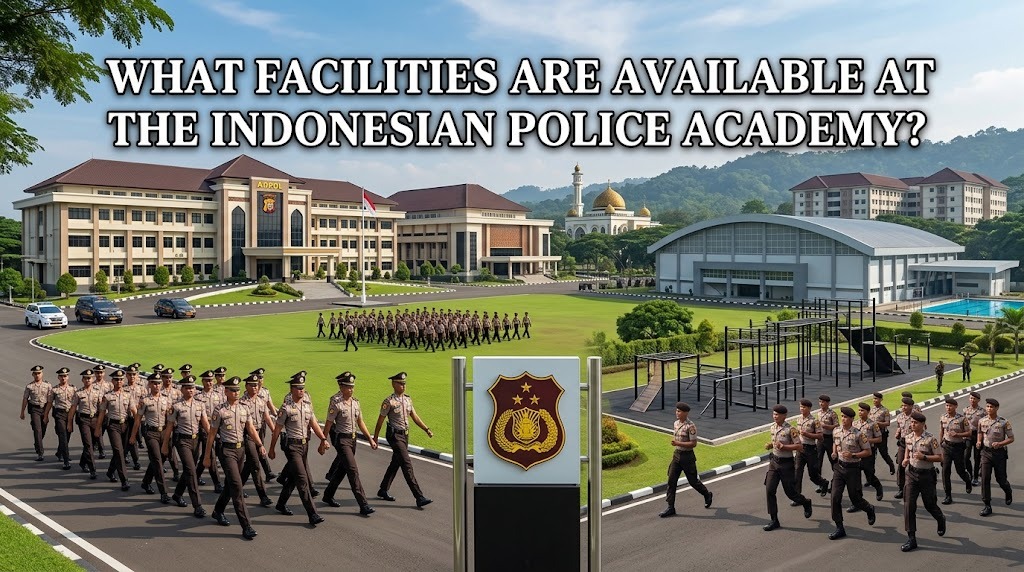
The Indonesian Police Academy, known as Akademi Kepolisian or Akpol, provides an educational environment designed to prepare cadets for professional careers in law enforcement. Its facilities support academic learning, physical training, character development, discipline, and daily residential activities. These facilities are important because police education involves more than classroom lessons. Cadets must also develop physical fitness, leadership, teamwork, and practical skills that prepare them for the responsibilities of police service.
The academy's facilities serve different purposes, from supporting academic instruction to providing spaces for sports, accommodation, and institutional activities. The availability and use of particular facilities may change according to institutional needs and ongoing development. Understanding the types of facilities available helps prospective cadets gain a clearer picture of the learning environment and daily life at the Indonesian Police Academy.
ACADEMIC CLASSROOMS AND LEARNING SPACES
Academic classrooms are essential facilities at the Indonesian Police Academy because cadets need a structured environment for theoretical learning. Lessons may cover criminal law, constitutional principles, police procedures, leadership, ethics, and other subjects related to law enforcement. Classrooms allow instructors to explain important concepts, lead discussions, and evaluate cadets' understanding of the material. Depending on the equipment available, learning spaces may also support presentations and multimedia instruction. These facilities help connect academic knowledge with the responsibilities cadets will face in their future careers.
A structured academic environment also encourages concentration, discipline, and active participation. Cadets need to understand legal principles and professional standards before applying them in practical situations. Classroom activities can help them develop analytical thinking, communication, and decision-making skills. Instructors may use case studies or practical examples to explain how legal concepts apply to police duties. Through this combination of instruction and discussion, academic facilities contribute to the development of knowledgeable and responsible police officers.
LIBRARY AND EDUCATIONAL RESOURCES
A library and other educational resources can support cadets as they study law, public administration, security, leadership, and related subjects. Access to books, reference materials, academic publications, and learning resources helps cadets explore topics beyond their regular classroom lessons. These resources are useful when preparing assignments, reviewing course materials, and developing a deeper understanding of police responsibilities. A quiet study environment also encourages independent learning and concentration. The specific collections and digital resources available depend on the academy's facilities and educational arrangements.
Cadets benefit from developing regular reading and research habits throughout their education. They may use educational resources to understand legal changes, examine case studies, and improve their analytical abilities. Research activities can also strengthen their ability to distinguish reliable information from unsupported claims. These skills are important for police officers who must make decisions based on evidence and applicable regulations. Access to learning resources therefore supports both academic achievement and long-term professional development.
PHYSICAL FITNESS AND SPORTS FACILITIES
Physical fitness facilities are an important part of police education because cadets must develop the strength, endurance, coordination, and stamina needed for demanding duties. Training areas may support activities such as running, strength exercises, calisthenics, and organized sports. Depending on the facilities available, cadets may use sports fields, courts, or designated exercise areas. These spaces provide opportunities to practice physical skills under structured training programs. Regular exercise also helps cadets build discipline and maintain a healthy lifestyle.
Sports and fitness activities can contribute to teamwork, resilience, and self-confidence. Cadets often need to work together during group exercises and learn how to maintain performance under physical pressure. Instructors can use fitness sessions to assess progress and encourage improvements in technique. Appropriate training and recovery are important to reduce the risk of injuries. By combining physical exercise with consistent supervision, sports facilities support the physical preparation required for police education.
POLICE PRACTICE AND SIMULATION AREAS
Practical training areas help cadets develop skills that cannot be learned through classroom instruction alone. Depending on the academy's training programs and available equipment, these areas may support exercises involving police procedures, communication, situational awareness, and operational decision-making. Simulated scenarios can help cadets practice responding to different situations in a controlled learning environment. Instructors can observe their performance, provide feedback, and explain how procedures should be applied. This approach helps connect theoretical knowledge with practical responsibilities.
Practical exercises also encourage cadets to think critically and work effectively with others. They may need to assess a situation, communicate clearly, and select an appropriate response while following established rules. Repeating supervised exercises can help improve confidence and familiarity with professional procedures. Training scenarios should emphasize safety, accountability, and respect for legal requirements. These facilities therefore contribute to preparing cadets for the challenges they may encounter after graduation.
RESIDENTIAL DORMITORIES AND ACCOMMODATION
Residential accommodation is an important part of cadet life because police education involves structured daily activities and discipline. Dormitories or designated living quarters provide spaces for cadets to rest, organize personal belongings, and maintain their daily routines. Residential arrangements may also encourage cadets to learn responsibility and adapt to communal living. The specific room arrangements, facilities, and accommodation rules depend on institutional policies. Cadets are expected to maintain cleanliness and follow the standards established for their living environment.
Living alongside other cadets can help develop cooperation, consideration, and mutual respect. Shared routines encourage individuals to manage their time and balance personal needs with collective responsibilities. Cadets may also learn to resolve everyday disagreements through communication and appropriate conduct. Adequate rest is essential because demanding academic and physical schedules require sufficient recovery. Residential facilities consequently contribute to the overall educational experience by supporting daily discipline and personal development.
DINING AREAS AND DAILY NUTRITION SUPPORT
Dining facilities support cadets' daily routines by providing designated spaces for meals. Adequate nutrition is important because cadets participate in academic lessons, physical training, and other structured activities throughout their education. Balanced meals can help supply the energy and nutrients required to maintain concentration and physical performance. Dining arrangements and meal schedules are generally organized according to institutional rules. The specific menus and services available may vary over time.
Regular meal routines can also help cadets develop healthy habits and manage their daily schedules. Eating a balanced diet supports recovery after exercise and contributes to general well-being. Cadets should maintain appropriate hydration, particularly during demanding physical activities. Good nutrition works alongside sufficient sleep and suitable exercise to support overall fitness. Dining facilities therefore play a practical role in helping cadets maintain the energy needed for their education and training.
HEALTH SERVICES AND PERSONAL WELL BEING
Health support is important in a residential training environment because cadets may face physical demands, changes in routine, and academic pressure. Medical facilities or designated health services can provide assistance when cadets require health assessments or treatment. The scope of available services depends on the academy's arrangements and applicable institutional procedures. Access to appropriate medical support helps address health concerns and supports safe participation in educational activities. Cadets should report injuries or symptoms promptly rather than continuing strenuous activities when doing so may worsen their condition.
Personal well-being also depends on healthy routines, sufficient rest, and responsible stress management. Cadets need to recognize the importance of recovery when balancing academic responsibilities with physical training. Support from instructors, medical personnel, and other authorized staff may help them address difficulties during their education. Maintaining health can improve concentration and make daily activities more manageable. A supportive environment is therefore valuable for developing cadets who are physically prepared and capable of handling professional responsibilities.
ADMINISTRATIVE BUILDINGS AND SHARED INSTITUTIONAL SPACES
Administrative buildings support the management of educational activities and the daily operation of the academy. These spaces may be used for academic administration, cadet records, personnel matters, scheduling, and coordination between departments. Efficient administration helps ensure that educational programs and institutional activities are organized properly. Cadets may need to interact with administrative staff when handling authorized academic or personal matters. Access to particular offices and services is governed by institutional procedures.
Shared institutional spaces may also support meetings, ceremonies, briefings, and other official activities. Such environments help cadets understand formal procedures, institutional responsibilities, and professional communication. Participation in organized activities can strengthen discipline and a sense of responsibility. These experiences also introduce cadets to the importance of coordination within a structured organization. Administrative and shared facilities thus contribute to the orderly operation of the academy and the development of professional habits.
CONCLUSION
The Indonesian Police Academy provides an educational environment in which facilities support academic study, physical fitness, practical training, residential life, health, nutrition, and institutional administration. Classrooms and learning resources help cadets develop legal knowledge, while sports and practice areas support physical readiness and operational skills. Accommodation and dining facilities contribute to daily routines, and health support helps maintain well-being throughout the educational process. The exact availability and arrangement of individual facilities may vary according to institutional needs and current policies. Together, these facilities help create a structured environment for preparing cadets to become disciplined, knowledgeable, and responsible police officers.
Recent Posts

Bagaimana Sistem SKS pada Program Kuliah... 22.11.2026/57 View

How Does Technology Make Daily Evaluation... 21.11.2026/86 View

Apa Strategi Menghadapi Kesenjangan antara Kompetensi... 21.11.2026/84 View

Mengapa Inventaris Aset Penting bagi Kelancaran... 21.11.2026/82 View

When Should Musicians Join a Record... 21.11.2026/86 View
