

What Factors Influence a Person's Self Presentation?
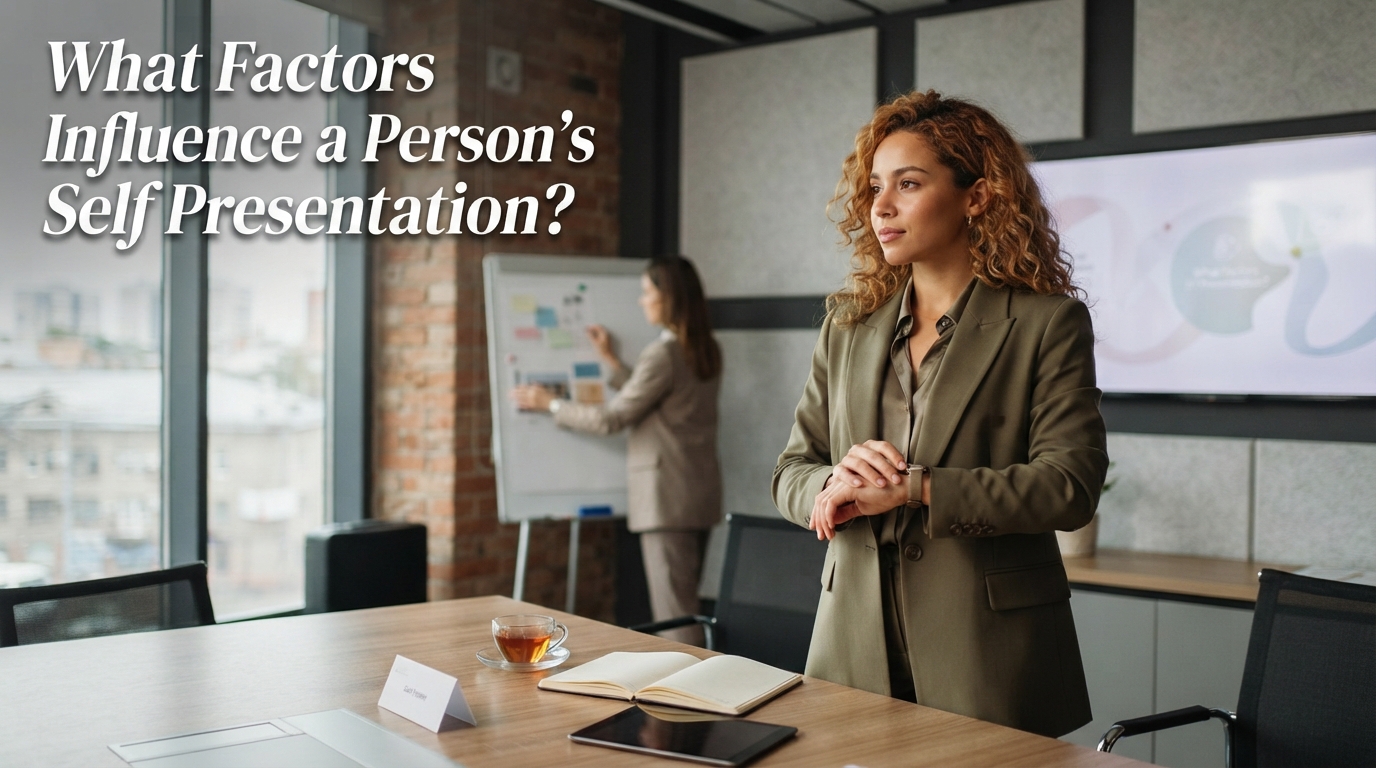
Self-presentation is the way individuals communicate and show their identity, personality, and characteristics to other people. It can be seen through physical appearance, communication style, body language, attitudes, and everyday behavior. In social, educational, and professional environments, the way someone presents themselves can influence how others perceive and interact with them. However, self-presentation is not formed by appearance alone because several internal and external factors contribute to it. Understanding these factors can help individuals develop a positive image, improve their confidence, and build better relationships with others.
1. PERSONALITY AND SELF-CONFIDENCE
Personality is one of the main factors that influences how individuals present themselves. People with outgoing personalities may communicate easily, express their opinions openly, and enjoy meeting new people. Meanwhile, individuals with quieter personalities may prefer listening, observing, and communicating in smaller groups. These differences affect how people behave and interact in various situations. Although personalities differ, everyone can develop a positive way of presenting themselves without changing their true identity.
Self-confidence also plays an important role in personal presentation. People who believe in their abilities are generally more comfortable expressing their thoughts and interacting with others. Confidence can be demonstrated through clear communication, appropriate eye contact, and a relaxed posture. On the other hand, a lack of confidence may cause someone to avoid conversations or feel uncomfortable in social situations. Developing self-confidence through experience and self-improvement can help individuals present themselves more positively.
2. PHYSICAL APPEARANCE AND PERSONAL HYGIENE
Physical appearance is often one of the first things people notice when interacting with someone. Clothing choices, hairstyles, cleanliness, and personal hygiene can influence the impression a person creates. Wearing neat and appropriate clothing shows that someone pays attention to their appearance and understands the situation. Maintaining clean hair, fresh breath, and good personal hygiene also reflects self-respect. These habits can help individuals feel more comfortable and confident in different environments.
However, physical appearance does not determine a person's entire identity or value. A positive self-presentation should combine an appropriate appearance with good character, communication, and behavior. People do not need expensive clothes or fashionable accessories to look presentable. Choosing simple clothing that matches the occasion is often enough to create a professional and respectful impression. What matters most is maintaining a clean, comfortable, and appropriate appearance.
3. SOCIAL ENVIRONMENT AND CULTURAL BACKGROUND
The social environment influences how people behave and present themselves. Family, friends, educational institutions, and workplaces can shape communication habits, attitudes, and personal values. For example, someone who grows up in an environment that encourages open discussions may become more comfortable expressing opinions. Meanwhile, people in more formal environments may develop careful communication styles and respectful behavior. These experiences gradually influence how individuals interact with different groups.
Cultural background also affects self-presentation because every culture has different social expectations and communication customs. Some cultures encourage direct communication, while others place greater importance on indirect expressions and politeness. Clothing, gestures, greetings, and personal space may also have different meanings across cultures. Understanding these differences helps individuals avoid misunderstandings and respect other people's traditions. Adapting appropriately to different cultural environments can improve social relationships without losing personal identity.
4. COMMUNICATION SKILLS AND BODY LANGUAGE
Communication skills strongly influence how individuals express themselves and build connections. The ability to speak clearly, choose appropriate words, and organize ideas helps others understand a person's message. Good communication also involves listening carefully and responding politely during conversations. People who communicate effectively are often better prepared to participate in discussions, interviews, and professional activities. Improving these skills can create a more positive and confident personal image.
In addition to verbal communication, body language plays an important role in self-presentation. Facial expressions, eye contact, gestures, and posture can communicate emotions and attitudes without using words. For example, a natural smile and an open posture may make someone appear friendly and approachable. However, body language should be appropriate to the situation and cultural context. Combining clear verbal communication with positive nonverbal behavior can help individuals create a stronger and more consistent impression.
5. EDUCATION, KNOWLEDGE, AND LIFE EXPERIENCES
Education and knowledge influence how people understand themselves and interact with others. Individuals who continuously learn may develop better communication abilities, broader perspectives, and stronger problem-solving skills. These qualities can help them express their opinions more confidently and participate in meaningful discussions. Educational experiences also provide opportunities to practice teamwork, leadership, and responsibility. As a result, knowledge and education can contribute to a more mature and positive personal presentation.
Life experiences also shape the way individuals present themselves. Experiences such as joining organizations, participating in competitions, working in teams, or facing challenges can influence attitudes and behavior. Positive experiences may strengthen confidence, while difficult situations can teach patience, responsibility, and emotional control. Over time, these lessons help individuals understand their strengths and areas for improvement. A person who learns from experience is more likely to develop a balanced and mature personal image.
6. DIGITAL MEDIA AND SOCIAL INFLUENCE
Technology and social media have become important factors in modern self-presentation. People use digital platforms to share photographs, opinions, achievements, and personal activities with wider audiences. The information they publish can influence how friends, employers, and other people perceive them. Therefore, choosing appropriate content and communicating responsibly online are important parts of maintaining a positive digital identity. Digital footprints should be considered carefully because online information can remain accessible even after it has been deleted from an account.
Social influence can also affect the way individuals present themselves online and offline. Trends, public figures, friends, and online communities may influence clothing choices, communication styles, and personal interests. However, following every trend is not necessary to create a positive image. Individuals should evaluate information critically and avoid comparing their lives excessively with others. Maintaining authenticity and using social media responsibly can help protect personal reputation and confidence.
7. PERSONAL VALUES, ATTITUDE, AND BEHAVIOR
Personal values influence the decisions people make and the way they treat others. Values such as honesty, discipline, responsibility, and respect help individuals develop a positive character. These qualities can be reflected through everyday actions, including keeping promises, respecting differences, and completing responsibilities. People who consistently demonstrate positive values are more likely to build trust with others. Therefore, personal values are an essential foundation of effective self-presentation.
Attitude and behavior also determine how someone is perceived in different situations. A person who remains polite, cooperative, and open-minded can create a comfortable environment for others. In contrast, rude communication, dishonesty, or irresponsible actions may damage personal relationships and reputation. It is important to maintain appropriate behavior even when facing disagreements or difficult situations. By developing positive attitudes and consistent behavior, individuals can present themselves as trustworthy and respectful people.
CONCLUSION
A person's self-presentation is influenced by various factors, including personality, self-confidence, physical appearance, social environment, culture, communication skills, education, digital media, and personal values. These factors work together to shape how individuals express themselves and how others perceive them. Although some influences come from the surrounding environment, people can still improve their personal presentation through learning and positive habits. Developing confidence, respecting others, maintaining appropriate behavior, and staying authentic are important steps toward creating a positive personal image. Ultimately, effective self-presentation is not about pretending to be someone else but about showing the best version of yourself.
Recent Posts

How Does Technology Make Daily Evaluation... 21.11.2026/55 View

Apa Strategi Menghadapi Kesenjangan antara Kompetensi... 21.11.2026/57 View

Mengapa Inventaris Aset Penting bagi Kelancaran... 21.11.2026/51 View

When Should Musicians Join a Record... 21.11.2026/52 View

Daily Evaluation or Daily Planning Which... 21.11.2026/59 View
