

What Factors Influence State Budget Preparation in Indonesia?
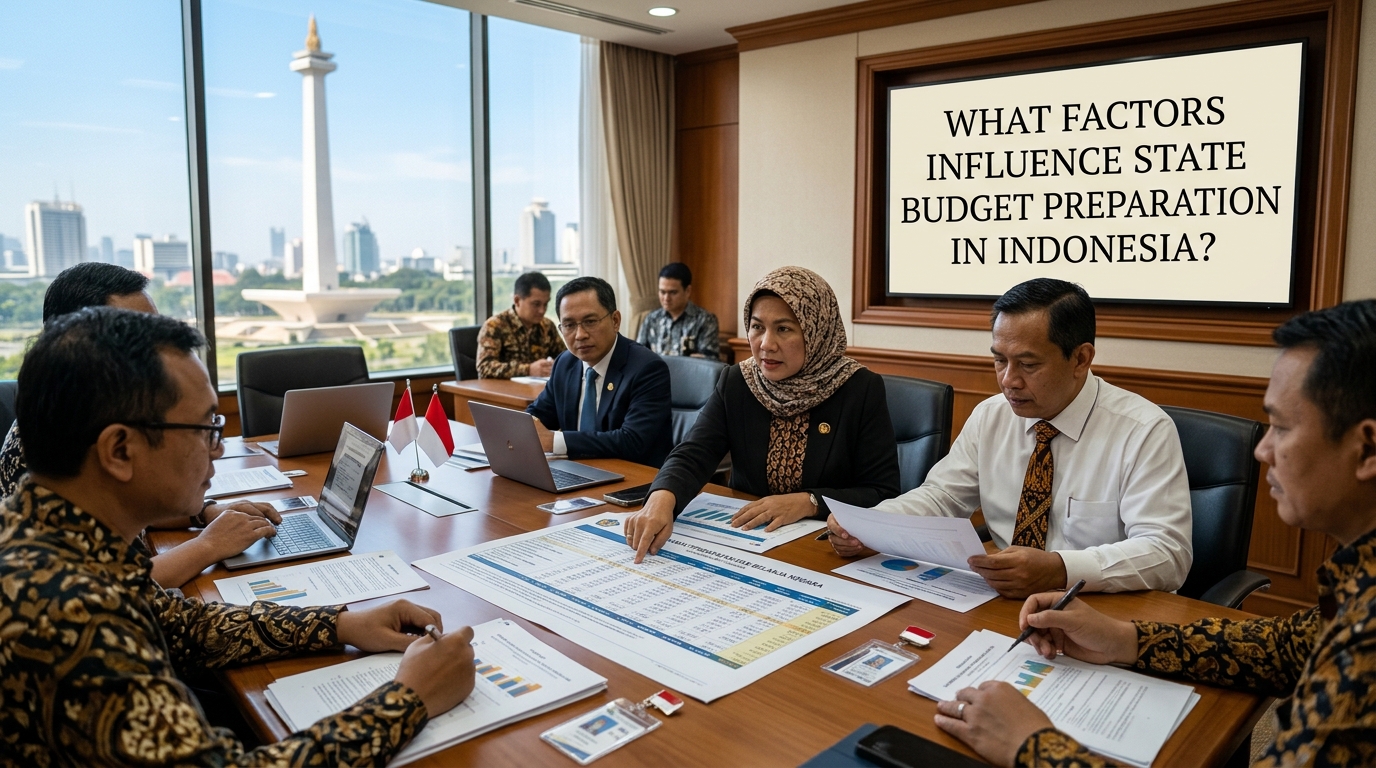
State budget preparation in Indonesia is an important process that determines how the government collects revenue and allocates public funds to meet national needs. The process involves careful planning to ensure that government spending supports economic growth, public services, and community welfare. Several factors influence budget decisions, including economic conditions, state revenue, national development priorities, and public needs. The Indonesian government must also consider global developments and potential risks that could affect the country's financial stability. Understanding these factors helps explain how the State Budget or Anggaran Pendapatan dan Belanja Negara (APBN) is prepared to support Indonesia's long-term development.
ECONOMIC CONDITIONS AND NATIONAL GROWTH
Economic conditions are among the most important factors influencing state budget preparation in Indonesia. The government considers economic growth, inflation, exchange rates, interest rates, and employment conditions when estimating revenue and planning expenditure. Strong economic growth can increase tax revenue because businesses and individuals generally have greater economic activity. However, slower growth may reduce government income while increasing the need for economic support programs. Therefore, realistic economic forecasts are essential to ensure that the state budget remains practical and responsive to changing conditions.
STATE REVENUE AND TAX COLLECTION
The amount of revenue available to the government directly affects its ability to finance development programs. Indonesia receives state revenue mainly from taxes, non-tax state revenue, and grants. Tax revenue includes income tax, value-added tax, and other taxes collected according to applicable regulations. Non-tax state revenue can come from natural resource activities, government services, and other authorized sources. When revenue estimates are accurate and collection is effective, the government can plan spending more responsibly and reduce the risk of excessive budget deficits.
NATIONAL DEVELOPMENT PRIORITIES
The government must determine which programs deserve the greatest attention when preparing the APBN. These priorities may include infrastructure development, education, healthcare, food security, energy, poverty reduction, and digital transformation. Decisions are influenced by national development plans, government policies, and the needs of different communities. Priority-based budgeting helps direct limited resources toward programs that are expected to produce meaningful public benefits. The government must also evaluate whether proposed programs support long-term national goals rather than focusing only on short-term results.
PUBLIC NEEDS AND SOCIAL WELFARE
Public needs are another major consideration in state budget preparation. The government must consider access to education, healthcare, housing, transportation, clean water, and social protection when determining spending priorities. Population growth, demographic changes, and differences in living standards can increase demand for public services. Budget allocations may therefore include assistance for vulnerable households, improvements to public facilities, and programs that create economic opportunities. By considering community needs and social welfare, the government can develop a budget that responds to real problems and supports a more inclusive society.
GLOBAL ECONOMIC CONDITIONS
Indonesia's economy is connected to international trade, investment, and financial markets. Changes in global commodity prices, international interest rates, exchange rates, and demand for Indonesian exports can influence state revenue and spending requirements. For example, fluctuations in oil prices may affect energy-related revenue and government expenditure. International economic uncertainty can also influence investment, employment, and the cost of imported goods. As a result, the government needs to consider global economic risks and prepare flexible budget policies to protect national financial stability.
GOVERNMENT POLICIES AND REGULATIONS
State budget preparation must follow Indonesia's legal framework and government planning procedures. The process involves the executive branch, including the Ministry of Finance and other relevant ministries, as well as the House of Representatives (DPR). Government institutions prepare spending proposals based on their responsibilities, policy objectives, and available resources. The proposed APBN is discussed with the DPR before it is approved through the required legal process. Compliance with budget regulations helps promote financial discipline, transparency, and accountability in the management of public money.
REGIONAL DEVELOPMENT AND INCOME INEQUALITY
Indonesia has significant differences in infrastructure, economic opportunities, and access to public services across its regions. These differences influence how the government distributes funding between national programs and regional governments. Budget planning may support regional infrastructure, schools, healthcare facilities, and economic development initiatives. Transfers to regional governments help finance local responsibilities, although their allocation and use must follow applicable regulations. Balanced regional development is important to reduce inequality and ensure that communities outside major economic centers can benefit from national progress.
PUBLIC DEBT AND BUDGET DEFICITS
The government must consider existing debt obligations and the potential budget deficit when preparing the state budget. A deficit occurs when planned expenditure exceeds state revenue, requiring financing through permitted sources, including borrowing. Debt can support development when used productively, but excessive borrowing may increase interest costs and limit future spending flexibility. The government therefore needs to assess borrowing requirements, debt sustainability, and repayment capacity. Careful fiscal management helps maintain financial stability while allowing essential development programs to continue.
NATURAL DISASTERS AND UNEXPECTED EVENTS
Indonesia faces risks from earthquakes, floods, volcanic eruptions, and other natural disasters. These events can damage infrastructure, disrupt economic activities, and increase the need for emergency assistance and reconstruction. Other unexpected developments, such as health emergencies or sudden global economic disruptions, may also require additional public spending. The government must consider these risks when planning reserves, emergency responses, and adjustments to expenditure. Risk management and budget flexibility help ensure that essential public services and development activities can continue during difficult circumstances.
CONCLUSION
Several factors influence state budget preparation in Indonesia, including economic conditions, state revenue, development priorities, public needs, global trends, government regulations, regional inequality, public debt, and unexpected events. These factors help the government determine how much money is available and how it should be distributed among different programs. Effective budget preparation requires reliable data, realistic forecasts, clear priorities, and strong oversight. The government must also evaluate whether public spending achieves its intended objectives. With careful planning and responsible financial management, the APBN can support sustainable economic growth and improve the welfare of Indonesian society.
Recent Posts

Bagaimana Sistem SKS pada Program Kuliah... 22.11.2026/47 View

How Does Technology Make Daily Evaluation... 21.11.2026/74 View

Apa Strategi Menghadapi Kesenjangan antara Kompetensi... 21.11.2026/76 View

Mengapa Inventaris Aset Penting bagi Kelancaran... 21.11.2026/72 View

When Should Musicians Join a Record... 21.11.2026/76 View
