

What Happens If Members Do Not Have an Official Membership Card?
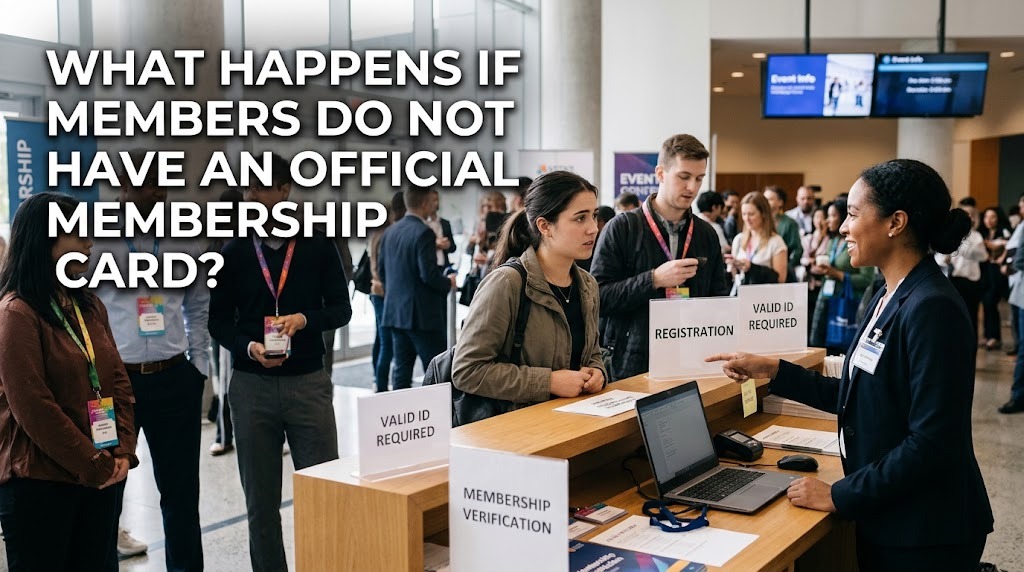
An official membership card is an important document that confirms an individual's registration in an organization, association, institution, or community. It helps identify registered members and provides evidence of their relationship with a particular organization. Many organizations use membership cards to manage administrative records, verify member identities, and provide access to specific services or activities.
However, not every member always has a physical membership card. Some individuals may never receive one, while others may lose their cards or forget to bring them when needed. This situation can create several challenges, particularly when organizations require official identification for membership verification. Understanding these consequences can help members and administrators find appropriate solutions.
DIFFICULTIES IN PROVING OFFICIAL MEMBERSHIP STATUS
One of the most common problems experienced by individuals without a membership card is difficulty proving their official membership status. Organizations often use membership cards to distinguish registered members from visitors or individuals who have not completed registration. Without this document, members may need to provide alternative evidence, such as registration records, membership certificates, or personal identification. This additional process can take more time, especially when administrative records are difficult to access.
Membership verification is particularly important when individuals participate in official organizational activities. For example, professional associations may require proof of active membership before allowing individuals to attend certain programs or receive specific services. Without proper membership identification, confirming membership status may become more complicated. Therefore, an official membership card can make the verification process faster and more convenient.
LIMITED ACCESS TO ORGANIZATIONAL BENEFITS AND SERVICES
Some organizations provide special benefits that are available only to registered members. These benefits may include training programs, educational activities, professional development opportunities, discounts, access to facilities, and exclusive events. Membership cards help administrators confirm whether individuals are eligible to receive these services. Without a card, members may need to complete additional verification procedures before accessing certain benefits.
The consequences depend on the organization's internal policies and available identification systems. Some organizations accept alternative documents or digital membership records, while others require members to present specific identification details. Not having a membership card does not automatically cancel someone's membership, but it may make accessing certain benefits more difficult. Members should understand the organization's verification procedures to avoid unnecessary inconvenience.
OBSTACLES TO PARTICIPATING IN ORGANIZATIONAL ACTIVITIES
Membership cards are often used to manage participation in organizational activities. Events such as annual meetings, seminars, conferences, workshops, and internal elections may require participants to confirm their membership status. Without an official card, members might need to undergo additional identity checks before being allowed to participate. This can create delays, particularly when many people attend the same event.
In some organizations, membership status determines eligibility to vote, nominate candidates, or participate in internal decision-making. Administrators may need to verify membership through official databases or other accepted documents. Proper identification helps maintain orderly and transparent organizational activities. Members should therefore prepare alternative identification when their membership cards are unavailable.
ADMINISTRATIVE PROBLEMS AND INACCURATE MEMBERSHIP RECORDS
Membership cards also support effective organizational administration. The information displayed on a card is generally connected to a member's registration record, making it easier for administrators to identify individuals. Without standardized identification, administrators may need to search through several documents or databases to locate the correct information. This can increase administrative workloads and slow down routine processes.
The absence of membership identification may also create confusion when several members have similar names. Problems can occur when recording attendance, updating personal information, distributing certificates, or managing membership renewals. A consistent identification system helps improve record accuracy and administrative efficiency. Organizations should maintain reliable digital databases so that membership status can still be verified when physical cards are unavailable.
COMMUNICATION AND MEMBERSHIP INFORMATION CHALLENGES
An official membership card may contain a unique identification number that helps connect members with organizational databases and communication systems. Some organizations use this number to manage online accounts, provide member services, and distribute official information. Without these identification details, members may experience difficulties when accessing certain platforms or recovering their accounts.
Incomplete membership information can also affect communication between organizations and their members. Administrators may struggle to identify the correct individuals when distributing announcements, certificates, or important notifications. Accurate membership records support effective organizational communication. Members should keep their personal details and contact information updated, even if they do not regularly use a physical membership card.
THE IMPORTANCE OF ALTERNATIVE MEMBERSHIP IDENTIFICATION
Organizations should understand that members may occasionally lose their cards, forget to bring them, or experience damage to their identification documents. Providing alternative verification methods can help prevent unnecessary difficulties in these situations. Available alternatives may include digital membership cards, official membership databases, QR codes, or verification through registered personal information. These options allow organizations to confirm membership status without depending entirely on physical documents.
Digital membership systems can also make administrative procedures more efficient. Members can access their identification through smartphones, while administrators can check membership records through authorized platforms. However, organizations must protect personal information and ensure that only authorized individuals can access membership databases. Flexible identification methods improve accessibility while maintaining reliable membership verification. Providing both physical and digital options can help accommodate members with different needs.
CONCLUSION
Not having an official membership card can create several difficulties, including problems proving membership status, limited access to certain benefits, obstacles to participating in organizational activities, and administrative complications. However, the absence of a physical card does not necessarily mean that someone's membership is invalid. Organizations can provide alternative verification methods through digital cards, membership databases, and other official records. By maintaining accurate information and offering reliable identification options, organizations can ensure that members continue receiving appropriate services and participating in organizational activities.
Recent Posts

Bagaimana Sistem SKS pada Program Kuliah... 22.11.2026/48 View

How Does Technology Make Daily Evaluation... 21.11.2026/76 View

Apa Strategi Menghadapi Kesenjangan antara Kompetensi... 21.11.2026/78 View

Mengapa Inventaris Aset Penting bagi Kelancaran... 21.11.2026/73 View

When Should Musicians Join a Record... 21.11.2026/78 View
