

What Happens If Someone Fails to Submit a Tax Report on Time?
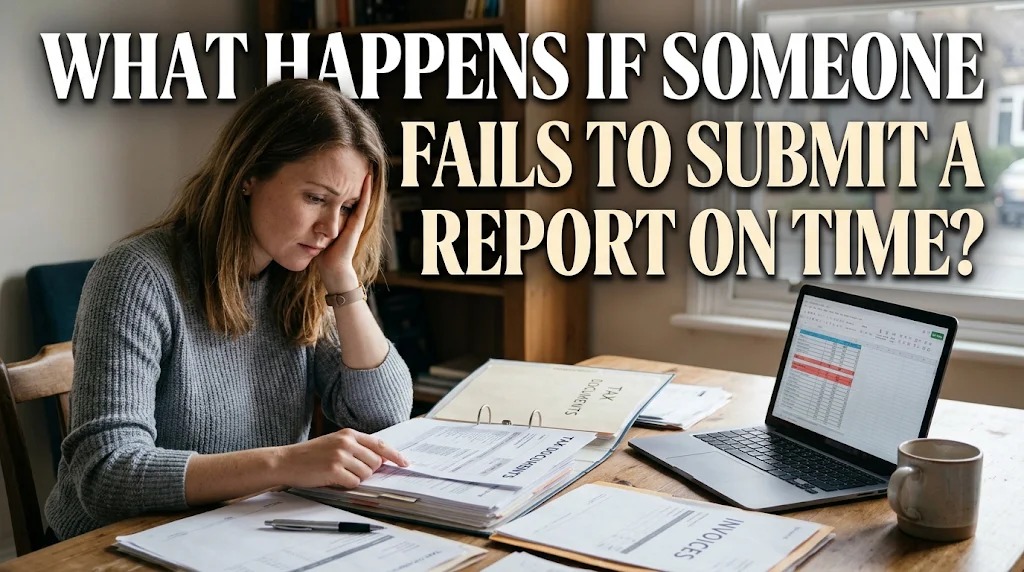
Submitting an annual tax return is an important responsibility for individuals and businesses that are required to fulfill tax reporting obligations. Taxpayers need to report relevant financial information within the deadlines established by applicable regulations. However, some people may miss the deadline because of busy schedules, incomplete documents, limited understanding of tax procedures, or technical difficulties when using digital reporting services.
Failing to submit a tax report on time can lead to administrative consequences and additional responsibilities for the taxpayer. The impact depends on the taxpayer's category, the type of tax return, and the circumstances surrounding the late submission. Understanding these consequences can encourage individuals and businesses to manage their tax obligations more carefully.
ADMINISTRATIVE FINES FOR LATE TAX REPORTING
One of the possible consequences of failing to submit an annual tax return on time is an administrative fine. In Indonesia, taxpayers who submit certain annual tax returns after the applicable deadline may be subject to administrative sanctions under tax regulations. The amount depends on the type of taxpayer and the return involved.
For example, under the general provisions of Indonesian tax law, late submission of an individual annual income tax return may result in a fine of IDR 100,000. Meanwhile, late submission of a corporate annual income tax return may result in a fine of IDR 1,000,000. These amounts are subject to applicable legal provisions and should be distinguished from other tax-related penalties.
Taxpayers should also understand that not every late submission automatically results in the same consequence. Certain legal exceptions and specific circumstances may affect the application of administrative sanctions. Understanding the applicable late-reporting fines helps taxpayers recognize the importance of meeting their reporting deadlines.
POSSIBLE ADDITIONAL TAX OBLIGATIONS AND SANCTIONS
Late tax reporting should be distinguished from failing to pay taxes that are due. A taxpayer may submit an annual return late even though the required tax has already been paid. Conversely, someone may submit a return on time but still have an outstanding tax payment. These situations can involve different administrative consequences.
If a tax return shows an underpayment, the taxpayer may need to settle the outstanding amount according to the applicable payment deadline. Interest or other administrative sanctions may apply in certain circumstances, depending on the relevant tax provisions. Therefore, taxpayers should not assume that paying the tax automatically resolves every issue related to late reporting.
In addition, inaccurate or incomplete tax information may create further administrative problems if it is not corrected properly. Taxpayers should review their financial records and fulfill any additional requirements communicated through official tax channels. Separating reporting obligations from payment obligations helps taxpayers understand which responsibilities still need to be completed.
THE RISK OF RECEIVING OFFICIAL TAX NOTIFICATIONS
Taxpayers who fail to submit required tax returns may receive notifications or reminders from the tax authority. These communications can inform taxpayers that a reporting obligation remains outstanding and explain the administrative steps that may need to be taken. Receiving such a notification should encourage taxpayers to review their tax status and respond through the appropriate official procedures.
If a taxpayer receives an official notice, it is important to check the information carefully. They should verify the relevant tax period, reporting obligation, and instructions provided in the communication. If something is unclear, taxpayers can contact the tax authority through its official service channels to obtain clarification.
Ignoring official notifications may make it more difficult to resolve outstanding administrative matters. Taxpayers should keep copies of relevant correspondence and records of any actions taken. Responding appropriately to official tax communications can help prevent misunderstandings and support the resolution of reporting issues.
HOW LATE REPORTING CAN AFFECT TAX ADMINISTRATION
Late reporting can create additional administrative work for taxpayers and tax authorities. Individuals may need to collect old financial documents, verify previous income information, and complete reporting procedures that should have been handled earlier. Businesses may face more complicated preparation because they need to coordinate accounting records, financial statements, and tax information from different departments.
For companies, delays in annual tax reporting can also affect internal financial management. Finance teams may need to reorganize their schedules, review outstanding documents, and coordinate with management or external tax professionals. These activities can consume time and resources that could otherwise be used for regular business operations.
Although a late submission does not automatically mean that a taxpayer has committed a more serious violation, repeated delays can make tax administration increasingly difficult. Maintaining a clear reporting schedule and organized financial records can reduce unnecessary administrative pressure. Timely tax reporting supports better financial organization and regulatory compliance for individuals and businesses.
STEPS TO TAKE AFTER MISSING THE TAX REPORTING DEADLINE
Taxpayers who have missed a reporting deadline should first determine which tax return remains outstanding. They should review their tax account, identify the relevant reporting period, and check the official instructions for submitting the late return. Taking action promptly can help prevent further delays in fulfilling the reporting obligation.
The next step is to prepare the required documents and complete the reporting process through the appropriate official channel. Taxpayers should verify their income information, tax payments, and other relevant details before submitting the return. If an administrative fine or additional payment obligation applies, they should follow the official payment instructions.
When the situation involves complicated tax calculations or uncertainty about applicable sanctions, taxpayers may seek assistance from qualified tax professionals or official tax authority services. They should also save the submission confirmation and payment records for future reference. Prompt action, accurate documentation, and official guidance can help taxpayers resolve late-reporting issues more effectively.
CONCLUSION
Failing to submit a tax report on time can result in administrative fines, additional reporting responsibilities, and possible complications in tax administration. In Indonesia, the applicable consequences depend on the type of tax return, the taxpayer's circumstances, and the relevant legal provisions. Late reporting and unpaid tax obligations are separate matters that may involve different administrative sanctions.
Taxpayers who miss a deadline should review their outstanding obligations, prepare the required documents, and complete the reporting process through official channels. Maintaining financial records and setting reminders can also help prevent similar problems in the future. By understanding the consequences of late submission, individuals and businesses can manage their tax responsibilities more carefully and maintain better compliance.
Recent Posts

How Does Technology Make Daily Evaluation... 21.11.2026/58 View

Apa Strategi Menghadapi Kesenjangan antara Kompetensi... 21.11.2026/60 View

Mengapa Inventaris Aset Penting bagi Kelancaran... 21.11.2026/56 View

When Should Musicians Join a Record... 21.11.2026/55 View

Daily Evaluation or Daily Planning Which... 21.11.2026/63 View
