

What Happens When Construction Debris Is Improperly Disposed?
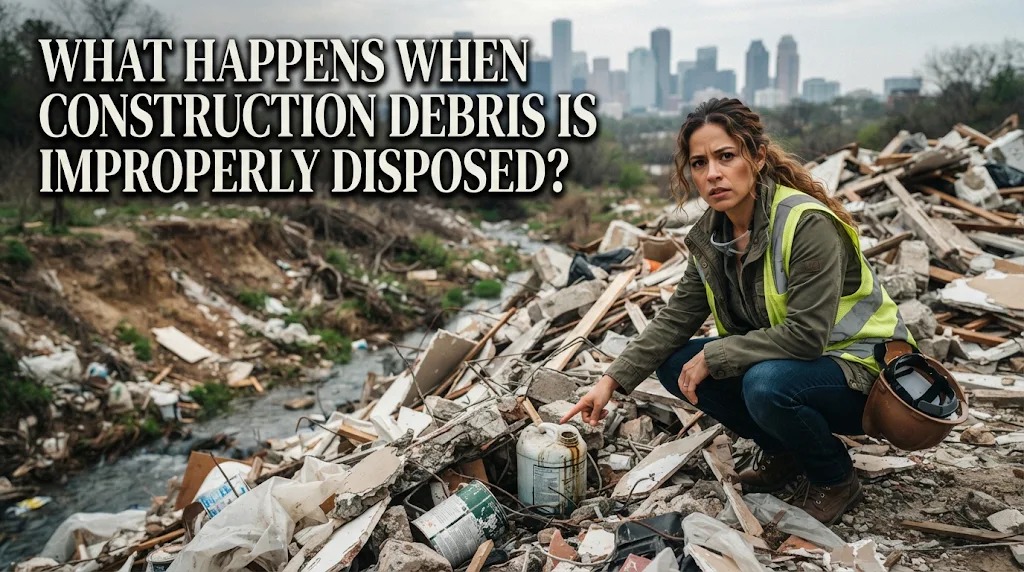
Improper disposal of construction debris can cause serious environmental, health, and safety problems. Construction activities generate various types of waste, including concrete, bricks, wood, metal, plastic, glass, and discarded building materials. When these materials are dumped carelessly in open spaces, rivers, empty land, or unauthorized locations, they can damage ecosystems and create pollution. Poor waste management can also increase cleanup expenses and negatively affect communities living near construction areas. Therefore, proper construction debris disposal is essential for maintaining environmental quality and public safety.
ENVIRONMENTAL POLLUTION
Construction debris can contribute to environmental pollution when waste materials are abandoned in unsuitable locations. Paint residues, chemical substances, adhesives, and other potentially hazardous materials may release pollutants into the surrounding environment. Plastic waste can remain in nature for long periods, while fine construction particles can spread through the air. These conditions can affect nearby ecosystems and reduce environmental quality. Proper waste separation and disposal help prevent pollution from spreading.
SOIL CONTAMINATION
Improperly disposed construction materials can negatively affect soil quality. Certain debris contains chemical residues, heavy metals, or other substances that may contaminate the ground. When these pollutants enter the soil, they can interfere with natural biological processes and affect plant development. Large quantities of concrete and other solid materials can also change soil structure and reduce its ability to support vegetation. Over time, contaminated soil may require specialized treatment before it can be used safely again.
WATER POLLUTION
Construction debris dumped near rivers, drainage systems, or other water sources can contribute to water pollution. Rainwater may carry dust, sediment, cement residues, and chemical substances into nearby waterways. These pollutants can increase water turbidity and negatively affect aquatic organisms. Solid waste can also block drainage channels, causing water accumulation and increasing the risk of localized flooding. Proper waste collection and designated disposal facilities are important for protecting water resources.
HEALTH RISKS FOR SURROUNDING COMMUNITIES
Improper construction debris disposal can create health risks for workers and nearby residents. Dust generated by broken concrete, bricks, and other materials may irritate the respiratory system, especially when exposure occurs frequently. Sharp metal pieces, broken glass, and unstable debris can also cause physical injuries. In addition, stagnant water collected around waste piles may create conditions that attract mosquitoes. Maintaining clean construction areas and handling waste responsibly can help reduce these risks.
DAMAGE TO NATURAL ECOSYSTEMS
Uncontrolled construction waste disposal can disturb natural habitats and affect local biodiversity. Dumping debris in forests, wetlands, riversides, or other natural areas can destroy vegetation and alter the living conditions of wildlife. Plastic materials and chemical pollutants may also threaten animals that come into contact with contaminated environments. As natural habitats become damaged, some species may lose access to food, shelter, and suitable breeding areas. Responsible waste management helps protect ecosystems from unnecessary disturbance.
BLOCKED DRAINAGE AND FLOODING
Large construction materials such as concrete fragments, wood, plastic, and packaging waste can block drainage channels when disposed of carelessly. Blocked drainage prevents rainwater from flowing properly and may cause water to accumulate on roads, residential areas, and construction sites. During heavy rainfall, these obstructions can increase the possibility of localized flooding. Regular waste collection and proper disposal practices help maintain effective drainage systems and reduce flood-related problems.
INCREASED CLEANUP AND PROJECT COSTS
Improper construction debris disposal can create additional expenses for construction companies and local communities. Cleaning contaminated areas, transporting abandoned waste, and repairing damaged drainage systems require extra time and financial resources. Companies may also face penalties or legal consequences when they violate applicable waste management regulations. Implementing proper waste management procedures from the beginning can reduce unnecessary expenses and improve overall project efficiency.
CONCLUSION
Improper disposal of construction debris can lead to environmental pollution, soil and water contamination, health risks, ecosystem damage, blocked drainage, and increased cleanup costs. These problems demonstrate why construction waste must be handled responsibly throughout every stage of a project. By separating materials, recycling reusable resources, and using appropriate disposal facilities, construction companies can minimize environmental damage and create safer surroundings for workers and communities.
Recent Posts

How Does Technology Make Daily Evaluation... 21.11.2026/58 View

Apa Strategi Menghadapi Kesenjangan antara Kompetensi... 21.11.2026/60 View

Mengapa Inventaris Aset Penting bagi Kelancaran... 21.11.2026/56 View

When Should Musicians Join a Record... 21.11.2026/55 View

Daily Evaluation or Daily Planning Which... 21.11.2026/63 View
