

What Happens When Homeroom Teachers Neglect Students' Personal Development?
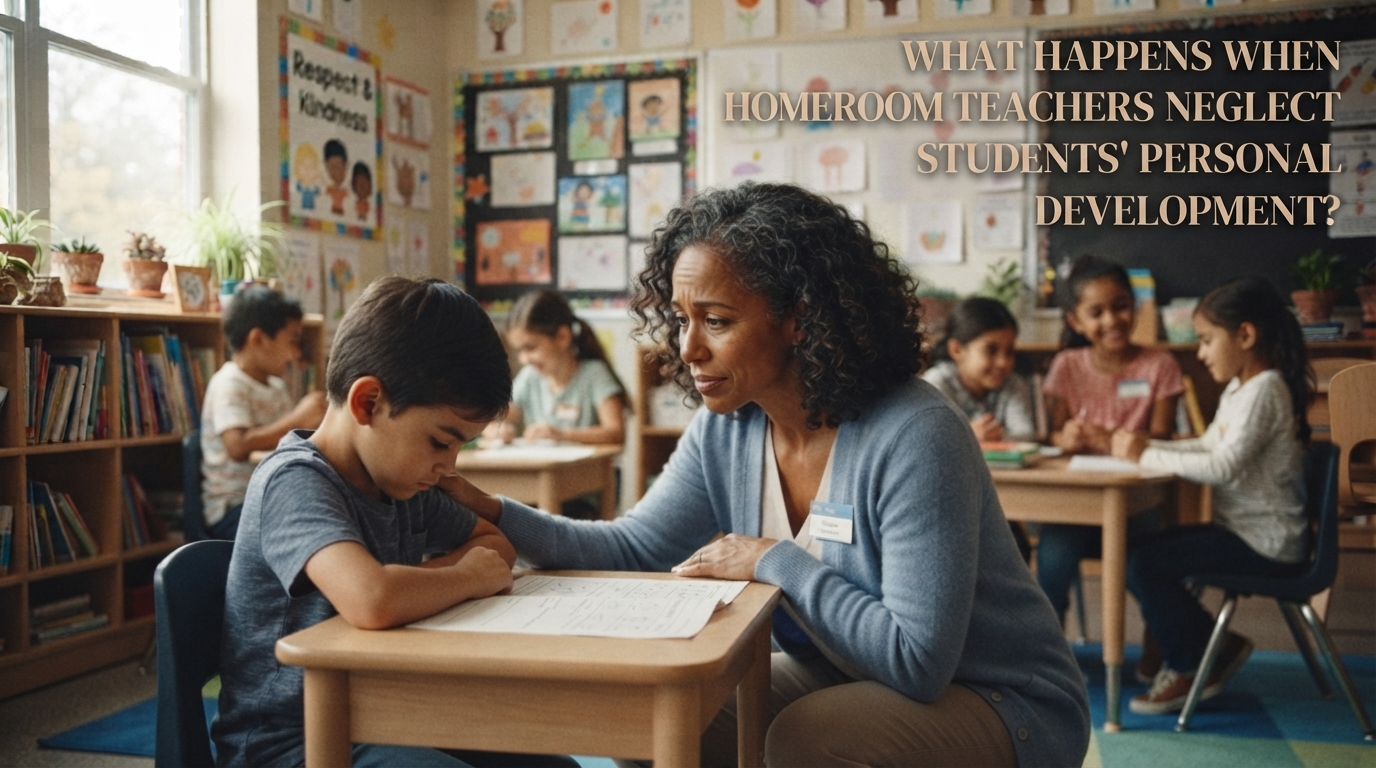
Students' education is not only about achieving good academic results but also about developing positive attitudes, emotional maturity, social skills, and personal responsibility. During their school years, students need guidance to understand themselves, build confidence, manage emotions, and interact appropriately with others. Homeroom teachers have an important responsibility to support these aspects of development because they regularly observe students' behavior and progress at school.
However, when homeroom teachers neglect students' personal development, several problems may arise. Students may struggle to recognize their potential, develop healthy relationships, manage personal challenges, and prepare themselves for future responsibilities. A lack of personal guidance can affect students' overall growth, even when they achieve satisfactory academic results. Therefore, understanding the consequences of neglecting personal development is essential for creating a more supportive and balanced educational environment.
1. STUDENTS MAY EXPERIENCE LOW SELF-CONFIDENCE
One possible consequence of neglecting personal development is that students may struggle to develop confidence in themselves. During adolescence and other stages of school development, students need encouragement to recognize their strengths and believe in their abilities. Without appropriate guidance, some students may become afraid of making mistakes, expressing opinions, or participating in classroom activities. Low self-confidence can prevent them from exploring new opportunities and developing their potential. As a result, students may become overly dependent on other people's opinions when making decisions.
Homeroom teachers can help prevent this problem by appreciating students' efforts, recognizing their improvements, and providing constructive feedback. Students also need opportunities to express themselves and take responsibility for simple decisions. When teachers consistently provide positive support, students can gradually develop a stronger sense of self-worth. This confidence can benefit both their academic activities and personal lives.
2. STUDENTS MAY DEVELOP POOR SOCIAL SKILLS
Personal development includes learning how to communicate, cooperate, respect differences, and build healthy relationships. If homeroom teachers pay little attention to these aspects, students may struggle to interact appropriately with classmates and other people. They may have difficulty listening to others, resolving disagreements, or expressing their feelings respectfully. Weak social skills can create misunderstandings and make classroom cooperation more difficult. These challenges may also affect students' ability to establish positive friendships.
Teachers should provide opportunities for students to practice communication and teamwork through group activities, discussions, and shared classroom responsibilities. They should also demonstrate respectful behavior and encourage students to appreciate different opinions. When students receive consistent social guidance, they can become more responsible and cooperative. These abilities are valuable not only at school but also in higher education and the workplace.
3. STUDENTS MAY STRUGGLE TO MANAGE THEIR EMOTIONS
Emotional development is an important part of students' personal growth. Students may experience frustration, disappointment, anxiety, or pressure because of academic demands and social relationships. Without proper guidance, they may find it difficult to understand their emotions or respond to challenging situations appropriately. Poor emotional regulation can lead to impulsive reactions, conflicts, and difficulties concentrating on learning activities. It may also make students less comfortable when facing problems.
Homeroom teachers can support emotional development by listening to students' concerns and encouraging healthy ways to express feelings. They can teach students the importance of patience, self-control, and problem-solving. Teachers should also recognize when students need additional support from school counselors or qualified professionals. With appropriate assistance, students can gradually develop healthier emotional management skills.
4. STUDENTS MAY LACK DISCIPLINE AND PERSONAL RESPONSIBILITY
Personal development also involves learning discipline, honesty, independence, and responsibility. When teachers neglect these values, students may have difficulty understanding the importance of completing assignments, following school rules, and respecting their commitments. Some students may become less consistent in managing their time and fulfilling their responsibilities. A lack of personal responsibility can affect their academic habits and daily behavior. Over time, these difficulties may become obstacles to their independence.
Homeroom teachers should guide students to understand the connection between their decisions and their consequences. They can encourage students to organize their schedules, complete classroom duties, and take responsibility for mistakes. Giving students appropriate responsibilities helps them develop independence through practical experience. These habits prepare students to handle greater responsibilities in the future.
5. STUDENTS MAY HAVE DIFFICULTY DISCOVERING THEIR POTENTIAL
Every student has different interests, talents, and abilities that deserve opportunities for development. Some students may have strengths in leadership, communication, creativity, sports, or problem-solving. If homeroom teachers focus only on academic grades, other important abilities may receive insufficient attention. Undiscovered potential can limit students' opportunities to explore their interests and develop valuable skills. Students may also struggle to identify suitable activities that match their abilities.
Teachers should observe students' participation in classroom activities, extracurricular programs, and school projects. They can encourage students to explore different experiences and recognize their individual strengths. Collaboration with subject teachers and parents can also provide additional information about students' interests and development. Through consistent support, students can discover their potential and develop it more effectively.
6. STUDENTS MAY BECOME LESS MOTIVATED TO LEARN
Personal development is closely connected to students' motivation and attitudes toward education. Students who do not receive sufficient encouragement may feel that their efforts are unnoticed or that their abilities are not important. This situation can reduce their enthusiasm for participating in classroom activities and completing assignments. Decreased learning motivation may eventually influence their academic engagement and willingness to face challenges. However, low motivation can have several causes, so teachers should understand each student's circumstances before determining the appropriate response.
Homeroom teachers can improve motivation by recognizing progress, setting realistic goals, and encouraging students to develop positive learning habits. They should also help students understand that mistakes are part of the learning process. Providing meaningful encouragement can make students more willing to improve their abilities. When students feel supported, they may become more confident and interested in achieving their goals.
7. STUDENTS MAY BECOME MORE VULNERABLE TO NEGATIVE SOCIAL INFLUENCES
Students interact with different people and social environments throughout their school years. Without sufficient personal guidance, some students may find it difficult to recognize negative peer pressure, unhealthy relationships, or inappropriate behavior. They may follow harmful decisions simply because they want to be accepted by their social groups. Limited social awareness can make it harder for students to establish healthy boundaries and make responsible choices. This does not mean every student without guidance will experience these problems, but appropriate support can reduce potential risks.
Homeroom teachers should discuss positive friendships, respectful relationships, digital responsibility, and the importance of independent decision-making. Students need to understand that they can refuse negative invitations without feeling pressured to follow others. Teachers should also provide a safe environment where students can discuss social difficulties and seek help. These efforts help students develop stronger judgment and healthier relationships.
8. STUDENTS MAY BE LESS PREPARED FOR FUTURE CHALLENGES
School is an important period for preparing students to face responsibilities beyond the classroom. Personal development helps them build communication skills, adaptability, independence, discipline, and problem-solving abilities. When these aspects receive insufficient attention, students may struggle when entering higher education, joining organizations, or starting their professional careers. Limited personal preparation can make it more difficult for them to adapt to unfamiliar situations and manage new responsibilities.
Homeroom teachers should introduce activities that encourage leadership, teamwork, decision-making, and self-reflection. They can also help students establish personal goals and evaluate their progress. These experiences provide practical opportunities to develop skills that are useful in everyday life. By supporting personal development from an early stage, teachers can help students become more prepared for future opportunities and challenges.
CONCLUSION
Neglecting students' personal development can create several challenges, including low self-confidence, weak social skills, emotional difficulties, poor discipline, and limited motivation. Students may also struggle to discover their potential, respond to negative social influences, and prepare for future responsibilities. These consequences demonstrate that education should not focus exclusively on academic achievement.
Homeroom teachers have an important role in supporting students' overall growth through communication, observation, encouragement, and appropriate guidance. They should recognize individual needs and provide opportunities for students to develop positive attitudes and practical life skills. Students need both academic education and personal development to become confident, responsible, independent, and well-prepared individuals. Therefore, paying attention to personal development is an essential part of a homeroom teacher's responsibility.
Recent Posts

How Does Technology Make Daily Evaluation... 21.11.2026/56 View

Apa Strategi Menghadapi Kesenjangan antara Kompetensi... 21.11.2026/58 View

Mengapa Inventaris Aset Penting bagi Kelancaran... 21.11.2026/52 View

When Should Musicians Join a Record... 21.11.2026/53 View

Daily Evaluation or Daily Planning Which... 21.11.2026/60 View
