

What Happens When Students Do Not Follow Flag Ceremony Rules?
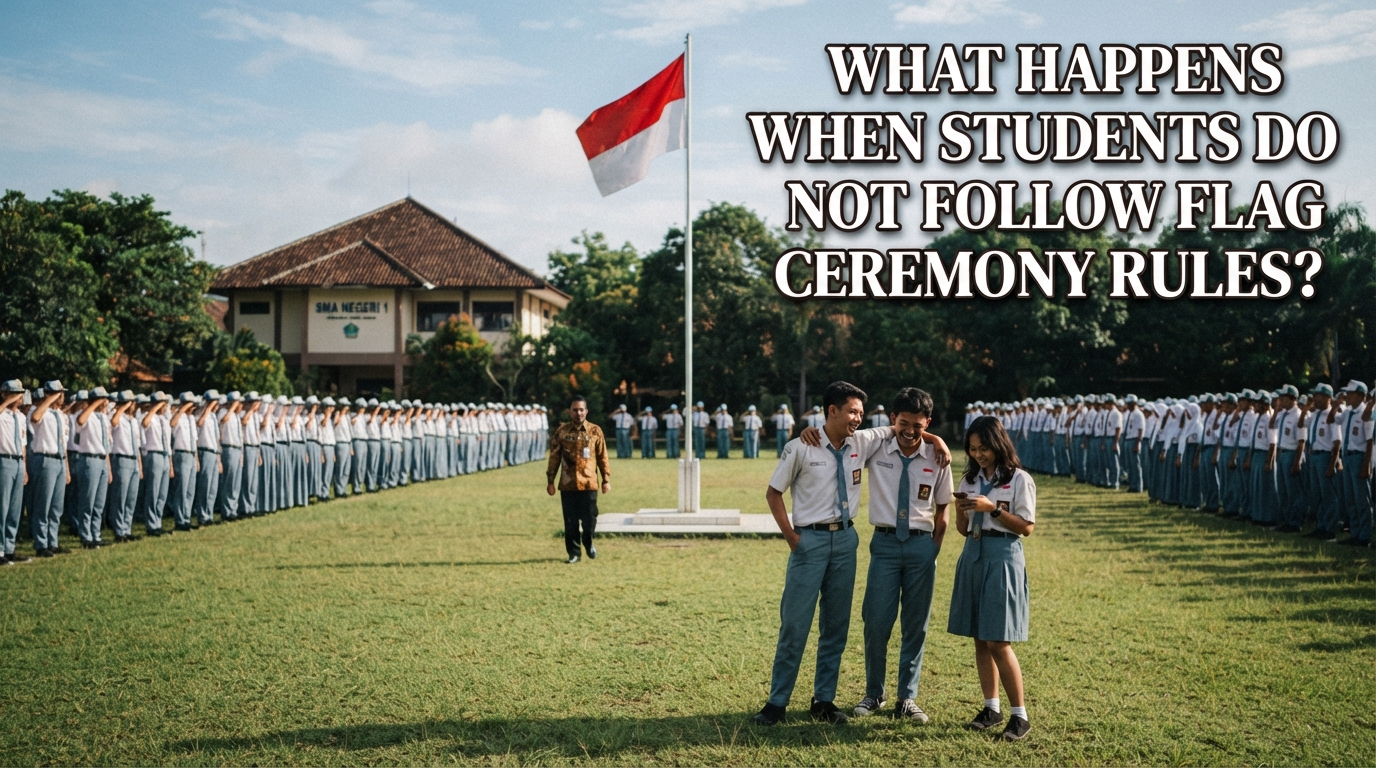
Flag ceremonies are important school activities that teach students about discipline, nationalism, responsibility, and respect for national symbols. During these activities, students are expected to follow established rules, maintain an orderly formation, listen to instructions, and participate respectfully. These rules help ensure that the ceremony runs smoothly and provides a meaningful educational experience for everyone.
However, some students may ignore the rules by arriving late, talking during the ceremony, playing with their phones, or disturbing other participants. Such behavior can affect the atmosphere and organization of the activity. If students repeatedly fail to follow flag ceremony rules, they may develop poor habits that also influence their behavior in other school activities. Therefore, understanding the consequences of breaking these rules is important for building a disciplined and respectful school environment.
DISRUPTING THE ORDER OF THE CEREMONY
One of the most immediate consequences of not following flag ceremony rules is the disruption of the activity. When students arrive late, stand in the wrong positions, or move without permission, the ceremony may become less organized. These actions can distract other participants and make it difficult for officers to carry out their responsibilities properly.
For example, students who continue talking while the ceremony leader gives instructions can disturb the concentration of those around them. Similarly, participants who do not maintain their formation may create unnecessary delays. As a result, the ceremony may lose its orderly atmosphere and become less effective as an educational activity.
SHOWING A LACK OF RESPECT FOR NATIONAL SYMBOLS
Flag ceremonies are closely connected to respect for national symbols, especially the Indonesian national flag and national anthem. Students who behave carelessly during these activities may demonstrate a lack of understanding about the importance of these symbols. For instance, laughing loudly, playing around, or deliberately disturbing the flag-raising process can create an inappropriate atmosphere.
The national flag represents national identity, independence, and unity. Therefore, students should understand why respectful behavior is necessary during the ceremony. Learning to respect national symbols also encourages them to appreciate their country's history and the struggles of previous generations.
REDUCING DISCIPLINE AND PERSONAL RESPONSIBILITY
Following flag ceremony rules helps students develop discipline and responsibility through consistent practice. When students repeatedly ignore instructions, arrive late, or refuse to participate properly, they may become accustomed to neglecting their obligations. These habits can affect their ability to follow schedules, respect regulations, and complete assigned tasks.
In addition, students who do not take their responsibilities seriously may find it difficult to cooperate in other school activities. For example, they may also struggle to follow classroom rules, complete group assignments, or participate in student organizations. Developing discipline, punctuality, and accountability through simple school activities can help prevent these negative habits.
DISTURBING OTHER STUDENTS' CONCENTRATION
Students who do not follow ceremony rules can affect the concentration of other participants. Talking, laughing, pushing, or making unnecessary movements may distract classmates who are trying to participate seriously. This situation can make it difficult for students to listen to important announcements or understand the messages delivered by the ceremony supervisor.
Furthermore, repeated disturbances can create an uncomfortable environment for students and officers who have prepared carefully. Everyone should have the opportunity to participate in a respectful and organized ceremony. Maintaining self-control and consideration for others is therefore an important part of following flag ceremony rules.
AFFECTING TEAMWORK AND THE PERFORMANCE OF OFFICERS
A flag ceremony involves cooperation between officers, teachers, and participants. Each person has a specific responsibility that contributes to the success of the activity. When students ignore instructions or fail to cooperate, the work of other team members can become more difficult.
For example, students who refuse to maintain their positions may disrupt the formation organized by class leaders. Participants who do not follow instructions can also make it harder for the ceremony leader to coordinate the event. These situations show that teamwork and mutual respect are necessary to maintain an organized ceremony.
RECEIVING GUIDANCE OR SCHOOL DISCIPLINARY ACTION
Students who violate flag ceremony rules may receive guidance or disciplinary action depending on the seriousness and frequency of their behavior. Teachers or school supervisors may begin by giving verbal reminders and explaining why the rules must be followed. If the behavior continues, the school may apply further measures according to its student discipline policies.
Possible responses include counseling, additional responsibilities, communication with parents, or other educational consequences. However, the purpose of school discipline should not simply be to punish students. Instead, it should help them understand their mistakes, improve their behavior, and develop a stronger sense of responsibility. Any disciplinary action should be fair, proportionate, and consistent with school regulations.
LOSING OPPORTUNITIES TO DEVELOP POSITIVE CHARACTER
Flag ceremonies provide opportunities for students to practice positive values in real situations. By following instructions, respecting others, and participating actively, students can develop confidence, discipline, leadership, and nationalism. However, students who frequently ignore these activities may miss valuable opportunities to strengthen these qualities.
For example, students who refuse to cooperate may have fewer opportunities to learn about teamwork and shared responsibility. Those who consistently ignore instructions may also struggle to develop self-control. Therefore, active and respectful participation can contribute to character development and positive behavior both inside and outside school.
HOW CAN STUDENTS AVOID BREAKING FLAG CEREMONY RULES?
Students can avoid breaking flag ceremony rules by understanding the procedures and preparing themselves before the activity begins. They should arrive on time, wear the required uniform, follow their assigned positions, and listen carefully to the ceremony leader. Keeping mobile phones away and avoiding unnecessary conversations can also help maintain concentration.
Students should also respect teachers, officers, and fellow participants throughout the activity. If they do not understand an instruction, they can politely ask a teacher or supervisor for clarification. By developing these simple habits, students can contribute to a more organized ceremony while strengthening their discipline, responsibility, and respect for others.
CONCLUSION
When students do not follow flag ceremony rules, the consequences can include disruption, reduced discipline, poor teamwork, and a lack of respect for national symbols. Their behavior can also disturb other participants and reduce the educational value of the activity.
Therefore, students should understand that flag ceremony rules are not created merely to restrict their behavior. They are intended to develop discipline, nationalism, responsibility, and positive character. By participating respectfully and following instructions, students can help create meaningful ceremonies and become more responsible members of the school community.
Recent Posts

How Does Technology Make Daily Evaluation... 21.11.2026/58 View

Apa Strategi Menghadapi Kesenjangan antara Kompetensi... 21.11.2026/60 View

Mengapa Inventaris Aset Penting bagi Kelancaran... 21.11.2026/56 View

When Should Musicians Join a Record... 21.11.2026/55 View

Daily Evaluation or Daily Planning Which... 21.11.2026/63 View
