

What Historical Traces Can Still Be Found in Cities?
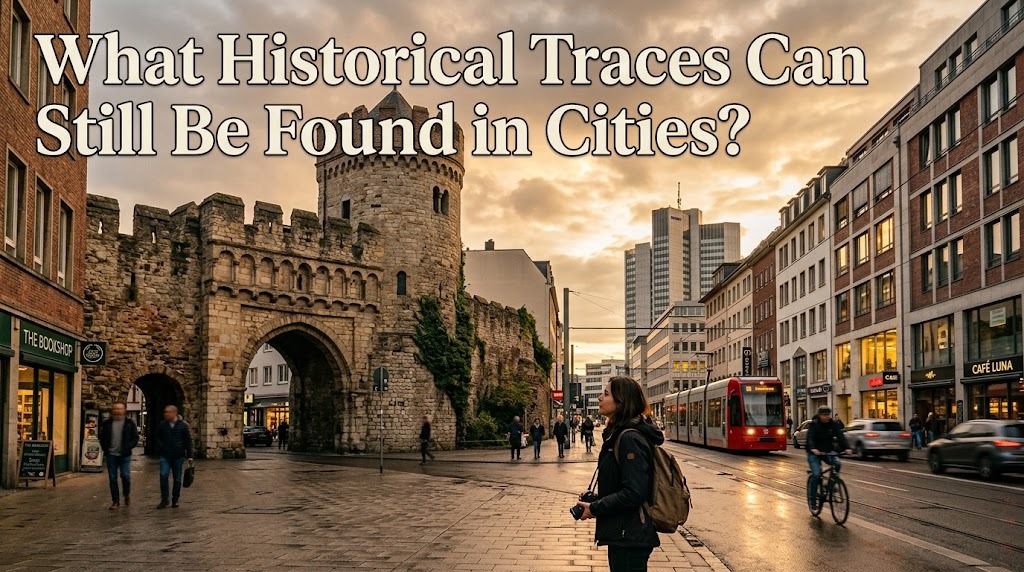
Cities preserve many traces of their past through historic buildings, street layouts, monuments, traditional markets, and cultural traditions. These features reveal how communities developed, how people conducted business, and how political and social changes influenced urban life. Although modern construction continues to transform cities, many historical elements remain visible in everyday surroundings. Recognizing these traces helps residents understand their cultural identity and appreciate the historical processes that shaped their communities.
HISTORIC BUILDINGS AND ARCHITECTURAL LANDMARKS
Historic buildings are among the most visible traces of a city's past. Palaces, colonial offices, old railway stations, religious structures, and traditional houses provide evidence of earlier architectural styles and construction techniques. Their designs often reflect the materials, technologies, and cultural influences available when they were built. Some buildings continue to serve their original purposes, while others have become museums, galleries, or public facilities. By examining these structures, people can learn how architecture changed alongside political, economic, and social developments.
OLD STREETS AND HISTORICAL CITY LAYOUTS
Street patterns can reveal how cities developed over different historical periods. Narrow lanes, traditional market streets, old town squares, and roads connecting important landmarks often reflect the needs of earlier communities. Some streets were designed around marketplaces, religious institutions, ports, or administrative centers. In other cities, colonial planning introduced wide roads, separate districts, or formal public spaces. Even when surrounding buildings are replaced, these older street patterns can preserve evidence of a city's original organization.
MONUMENTS AND HISTORICAL MEMORIALS
Monuments and memorials preserve the memory of important people, events, and struggles. Statues, commemorative plaques, war memorials, and public monuments may honor independence movements, community leaders, or significant historical achievements. Their locations can also indicate which events a community considers important to its identity. Some monuments have been relocated or reinterpreted as public understanding of history changes. These landmarks encourage residents and visitors to reflect on the experiences that shaped a city.
TRADITIONAL MARKETS AND COMMERCIAL CENTERS
Traditional markets are important historical traces because they often preserve long-standing patterns of trade and social interaction. Many developed near rivers, ports, temples, palaces, or major transportation routes. Over generations, these markets became gathering places where merchants exchanged goods and residents obtained everyday necessities. Their products, trading practices, and spatial arrangements may reflect local customs and regional economic relationships. Although modern supermarkets and shopping centers have expanded, traditional markets continue to connect contemporary urban life with earlier commercial traditions.
RELIGIOUS BUILDINGS AND CULTURAL HERITAGE
Religious buildings often preserve evidence of a city's spiritual and cultural development. Mosques, churches, temples, monasteries, and other sacred structures may reveal the influence of different communities and historical periods. Their architectural details can reflect local craftsmanship, regional traditions, and interactions with foreign cultures. Religious sites also preserve intangible heritage through ceremonies, festivals, music, and community gatherings. Their continued use demonstrates how historical traditions can remain active parts of modern urban life.
RAILWAYS, PORTS, AND INDUSTRIAL REMAINS
Transportation and industrial infrastructure provide another important record of urban history. Old railway stations, bridges, warehouses, docks, factories, and canals reveal how cities moved people and goods in earlier periods. These structures often developed when trade, industrialization, or colonial economic systems expanded. Some remain operational, while others have been converted into museums, creative spaces, or commercial facilities. Their preservation helps explain how transportation networks and industrial activities influenced urban growth.
HISTORIC NEIGHBORHOODS AND TRADITIONAL HOUSES
Historic neighborhoods preserve traces of how people lived and organized their communities. Traditional houses may reveal local building materials, family structures, environmental adaptations, and cultural preferences. The arrangement of courtyards, shared spaces, alleys, and community facilities can also show how residents interacted in the past. Some neighborhoods retain distinctive architectural styles despite the growth of modern buildings around them. Protecting these areas helps maintain the historical character of cities and supports the continuity of local traditions.
PLACE NAMES AND LOCAL STORIES
Historical traces are not limited to physical structures. Street names, neighborhood names, and local place names can preserve memories of former rulers, occupations, geographical features, and important events. Oral histories passed down through families and communities provide additional information about how urban areas changed over time. Local stories may explain the origins of markets, bridges, public spaces, or traditional settlements. Comparing these accounts with historical documents and physical evidence helps researchers develop a fuller understanding of a city's past.
HISTORICAL TRACES IN INDONESIAN CITIES
Indonesian cities contain many examples of historical traces shaped by local kingdoms, maritime trade, colonialism, and independence. In Semarang, Kota Lama preserves historic commercial buildings associated with the city's trading history. Yogyakarta's royal palace complex reflects the continuing influence of Javanese royal traditions, while Jakarta's Old Town contains buildings linked to its colonial-era development. Traditional markets, historic mosques, railway stations, and old neighborhoods across the country also reveal different stages of urban growth. Together, these places demonstrate the cultural diversity and historical complexity of Indonesian cities.
PRESERVING HISTORICAL TRACES IN MODERN CITIES
Preserving historical traces requires cooperation among governments, heritage specialists, property owners, and local communities. Historic buildings need regular maintenance, appropriate restoration methods, and protection from uncontrolled redevelopment. Cities can also document oral histories, maintain historical archives, and provide educational programs that help people understand local heritage. Adaptive reuse allows old buildings to support modern activities without removing their important architectural features. These approaches help balance urban development with the responsibility to preserve valuable historical evidence.
CONCLUSION
Historical traces remain visible in cities through architecture, street layouts, monuments, markets, religious sites, infrastructure, neighborhoods, and local stories. These elements reveal how people lived, worked, worshipped, traded, and organized their communities across different periods. Preserving them strengthens cultural identity and provides valuable opportunities for education and research. By recognizing and protecting historical traces, cities can continue developing while maintaining meaningful connections with their past.
Recent Posts

Bagaimana Sistem SKS pada Program Kuliah... 22.11.2026/50 View

How Does Technology Make Daily Evaluation... 21.11.2026/80 View

Apa Strategi Menghadapi Kesenjangan antara Kompetensi... 21.11.2026/79 View

Mengapa Inventaris Aset Penting bagi Kelancaran... 21.11.2026/75 View

When Should Musicians Join a Record... 21.11.2026/80 View
