

What Impact Does Digital Technology Have on the Quality of School Education?
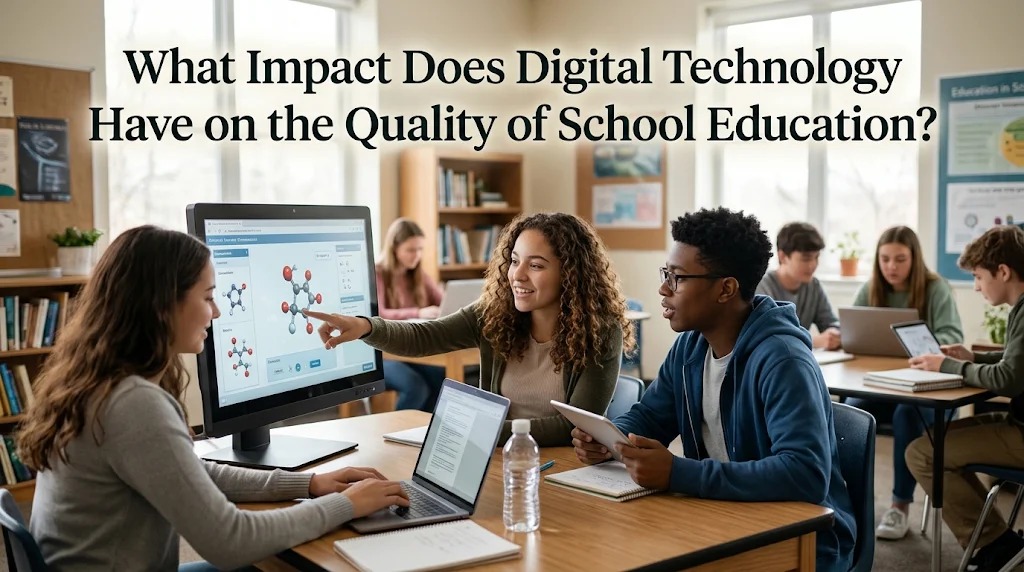
Digital technology has become an important part of modern education. Schools increasingly use computers, tablets, smartphones, internet connections, and digital learning platforms to support teaching and learning activities. These technologies allow teachers to deliver lessons in more creative ways while helping students access information more easily. As education continues to develop, digital technology is changing how schools manage classrooms, provide learning materials, and evaluate student performance.
The use of technology can improve the quality of school education by making learning more interactive, flexible, accessible, and efficient. However, its effectiveness depends on how schools, teachers, students, and parents use it. Technology alone cannot guarantee better educational outcomes. It must be supported by appropriate teaching methods, reliable infrastructure, and responsible digital practices.
MAKING LEARNING MORE INTERACTIVE AND INTERESTING
One of the most noticeable impacts of digital technology is its ability to make classroom activities more interactive. Teachers can use educational videos, animations, digital presentations, quizzes, and interactive applications to explain difficult subjects. These learning materials help students understand information through visual and practical examples rather than relying only on textbooks. For instance, science teachers can show animated videos about the human body, while geography teachers can use digital maps to explain different regions of the world. This approach makes lessons more engaging and helps students maintain their interest during classroom activities.
Digital technology also gives students more opportunities to participate actively in the learning process. Through online quizzes, educational games, and collaborative applications, students can answer questions, share ideas, and complete assignments together. These activities encourage active participation, critical thinking, and problem-solving skills. Teachers can also adjust their teaching strategies based on student responses and classroom engagement. As a result, technology can create a more enjoyable learning environment while supporting better understanding of educational materials.
PROVIDING EASIER ACCESS TO LEARNING INFORMATION
Digital technology allows students to access educational information from various sources without depending entirely on printed textbooks. Through the internet, they can explore digital libraries, educational websites, electronic books, research materials, and online learning platforms. This makes it easier for students to find additional explanations when they have difficulty understanding lessons at school. They can also explore subjects beyond the materials provided by their teachers. Having access to different learning resources encourages students to develop curiosity and expand their knowledge independently.
Another important benefit is the flexibility of accessing educational materials anytime and anywhere. Students can review recorded lessons, download assignments, and read digital learning resources outside regular school hours. This is particularly useful for students who need additional time to understand certain subjects. However, schools must teach students how to identify reliable information and trustworthy digital sources. Without proper guidance, students may encounter inaccurate information or misleading content on the internet. Therefore, digital access should be accompanied by digital literacy education.
IMPROVING TEACHERS' TEACHING METHODS AND PRODUCTIVITY
Digital technology provides teachers with various tools to improve the way they prepare and deliver lessons. They can create presentations, prepare interactive assignments, use educational videos, and access digital teaching resources. These tools help teachers explain complicated topics more clearly and adapt learning materials to different classroom situations. Teachers can also use online communication platforms to share announcements, distribute assignments, and provide additional explanations to students. Consequently, technology can make teaching activities more organized and efficient.
In addition, digital systems can reduce the time teachers spend completing administrative tasks. Online attendance systems, digital grading applications, and electronic assignment submissions help simplify classroom management. Some educational platforms also provide automatic assessment features that allow teachers to review student performance more quickly. This gives teachers more opportunities to focus on student development, individual guidance, and learning improvement. Nevertheless, teachers still need professional training to use these tools effectively and select technologies that match their educational objectives.
SUPPORTING STUDENTS' ACADEMIC PERFORMANCE AND INDEPENDENCE
Digital technology can support students' academic performance by providing different ways to understand and practice educational materials. Many learning platforms offer exercises, practice questions, instructional videos, and immediate feedback. Students can identify their mistakes and repeat exercises until they understand the concepts. Some platforms also provide progress reports that help students recognize their strengths and weaknesses. This information can encourage them to improve their learning habits and achieve better academic results.
Furthermore, technology encourages students to become more independent in managing their education. They can organize study schedules, search for additional information, complete online assignments, and explore subjects based on their interests. These activities develop important skills such as self-discipline, responsibility, creativity, and independent learning. However, students must understand that digital devices are learning tools rather than sources of entertainment during study time. Proper guidance from teachers and parents is necessary to help them maintain concentration and use technology productively.
ADDRESSING CHALLENGES AND RISKS OF DIGITAL EDUCATION
Although digital technology offers many educational benefits, its implementation still faces several challenges. One major problem is the unequal availability of technological infrastructure among schools. Some schools have reliable internet connections, modern computers, and sufficient digital facilities, while others struggle with limited resources. These differences can create educational inequalities between students from different economic backgrounds and geographical areas. Therefore, schools and governments need to improve internet accessibility, digital infrastructure, and technology availability to ensure that more students receive equal learning opportunities.
Another challenge involves excessive screen time, distractions, and online safety. Students may spend too much time using digital devices, which can affect their concentration, physical activity, and learning habits. They may also encounter inappropriate content, cyberbullying, misinformation, or risks involving personal data. To address these problems, schools should establish clear rules for technology use and provide education about digital responsibility. Parents also need to supervise children's online activities and encourage balanced routines. With proper support, schools can reduce these risks while maximizing the positive impact of technology.
STRENGTHENING EDUCATIONAL QUALITY THROUGH DIGITAL INNOVATION
Improving the quality of school education requires more than simply introducing computers and internet connections into classrooms. Schools must develop clear strategies to integrate technology into their educational programs. Teachers should select digital tools based on learning objectives, students' abilities, and the subjects being taught. For example, interactive simulations may be suitable for science lessons, while collaborative platforms can support language learning and group projects. The right combination of technology and teaching methods can create more meaningful learning experiences.
Schools also need to evaluate whether digital technology actually improves educational outcomes. They can collect feedback from teachers and students, monitor academic progress, and identify areas that need improvement. Professional development programs are equally important because teachers must continuously improve their digital skills and teaching competencies. Collaboration between schools, parents, communities, and educational authorities can also strengthen technology implementation. By combining effective teaching strategies, digital innovation, and continuous evaluation, schools can create a learning environment that responds to students' needs and prepares them for future challenges.
CONCLUSION
Digital technology has a significant impact on the quality of school education. It makes learning more interactive, expands access to educational information, improves teaching methods, and supports students' academic development. It also encourages independent learning, creativity, and essential digital skills that are increasingly important in modern society.
However, the successful use of technology requires proper infrastructure, teacher training, digital literacy, and responsible supervision. Schools must also pay attention to challenges such as unequal technology access, excessive screen time, and online security risks. By using digital technology wisely and combining it with effective teaching methods, schools can improve educational quality and provide students with better opportunities to succeed in the future.
Recent Posts

Bagaimana Sistem SKS pada Program Kuliah... 22.11.2026/33 View

How Does Technology Make Daily Evaluation... 21.11.2026/67 View

Apa Strategi Menghadapi Kesenjangan antara Kompetensi... 21.11.2026/67 View

Mengapa Inventaris Aset Penting bagi Kelancaran... 21.11.2026/65 View

When Should Musicians Join a Record... 21.11.2026/66 View
