

What Is a Broken Home and How Does It Affect Children's Lives?
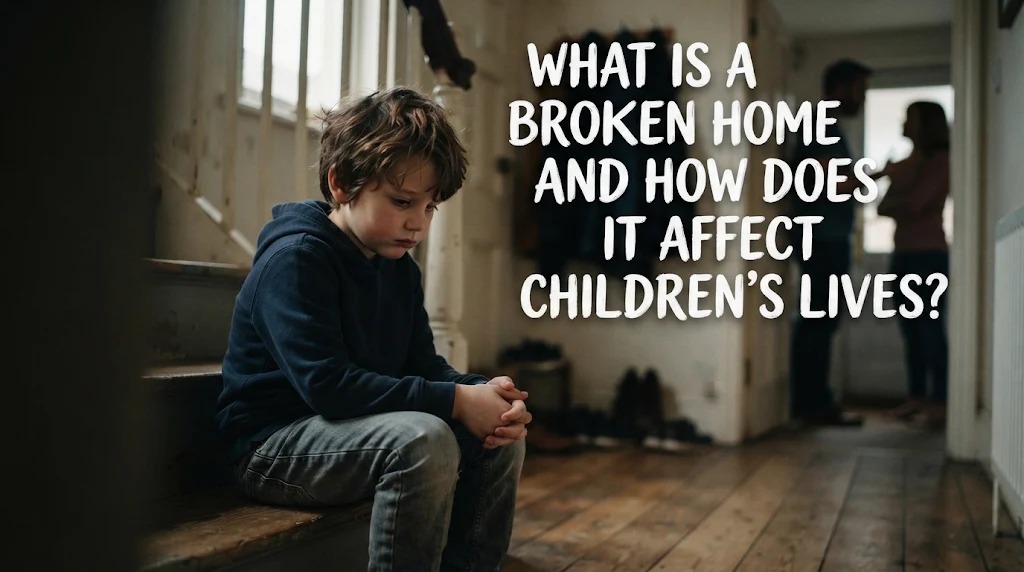
A broken home is a family situation in which parents experience serious problems, such as divorce, separation, constant conflict, or a lack of emotional support. This condition can affect children's lives in many ways, especially their emotional development, behavior, education, and relationships with other people. Growing up in a family with problems can be a difficult experience because children often need stability, attention, and affection from both parents. However, not every child from a broken home experiences the same difficulties. With proper care, understanding, and support, children can still grow into confident, healthy, and successful individuals.
UNDERSTANDING THE MEANING OF A BROKEN HOME
A broken home refers to a family condition in which the relationship between parents is disrupted, making it difficult to maintain a stable and supportive household. This situation can happen because of divorce, separation, domestic conflict, financial difficulties, or other serious family problems. In some cases, parents may continue living together but have an unhealthy relationship filled with arguments, emotional distance, or a lack of communication. Therefore, a broken home does not always mean that parents are officially divorced or no longer live together.
Children who experience this situation may feel confused because their family environment is different from what they expected. They may also struggle to understand why their parents have problems or why family activities are no longer the same. It is important to recognize that family difficulties do not automatically determine a child's future. What matters most is how children receive emotional support, protection, and proper guidance throughout their development.
COMMON CAUSES OF A BROKEN HOME
There are several factors that can lead to a broken home, and each family may experience different circumstances. One common cause is constant conflict between parents, especially when disagreements happen frequently without healthy communication. Financial problems can also create pressure within a household and increase tension between family members. In addition, infidelity, domestic violence, substance abuse, and a lack of trust may damage relationships and make family life increasingly difficult.
Another possible cause is the inability of parents to manage personal and family responsibilities. Some parents may experience emotional difficulties, different expectations, or unresolved problems that affect their relationship. When these issues continue without proper solutions, separation or divorce may become an option. Although these situations can change family structures, parents should still prioritize their children's safety and emotional well-being.
HOW A BROKEN HOME AFFECTS CHILDREN'S EMOTIONAL HEALTH
One of the most noticeable effects of a broken home is its influence on children's emotional health. Children may experience sadness, disappointment, anger, anxiety, or loneliness when their parents have serious problems. Some may feel responsible for the conflict, even though family problems are not their fault. These feelings can become more difficult when children do not have someone they trust to discuss their experiences.
Furthermore, children may develop difficulties in managing their emotions, especially when they frequently witness arguments or experience a lack of affection. Some become quiet and avoid expressing their feelings, while others may show frustration through aggressive behavior. However, these reactions are not experienced by every child and may depend on their age, personality, and family environment. Consistent emotional support from parents, relatives, teachers, or counselors can help children understand their feelings and develop healthier ways to cope.
THE IMPACT OF A BROKEN HOME ON EDUCATION AND BEHAVIOR
A broken home can also influence children's academic performance and behavior at school. Family problems may make it difficult for children to concentrate on lessons because they are thinking about situations at home. As a result, some children may lose motivation, have difficulty completing assignments, or experience a decline in their academic performance. Emotional stress can also affect their ability to communicate and participate in classroom activities.
In terms of behavior, children may become more sensitive, withdrawn, or easily irritated. Others may seek attention through disruptive actions because they feel ignored or emotionally neglected. However, these behavioral changes should not immediately be considered signs of bad character. Parents and teachers need to understand the reasons behind such behavior and provide appropriate guidance. A supportive school environment can help children maintain their confidence, develop positive habits, and continue achieving their educational goals.
THE EFFECTS OF A BROKEN HOME ON SOCIAL RELATIONSHIPS
Children who grow up in a broken home may experience challenges when building relationships with friends and other people. Some may find it difficult to trust others because their family experiences have influenced how they understand love, commitment, and relationships. They may also become afraid of rejection or abandonment, making them hesitant to develop close friendships. In certain situations, children prefer to keep their problems private because they do not want to be judged by others.
However, a difficult family background does not mean that children will always struggle with social relationships. Positive friendships, supportive relatives, and healthy interactions with adults can help them develop communication skills and trust. Learning to express feelings, respect boundaries, and understand other people's perspectives can also improve their social development. With time and positive experiences, children can build meaningful relationships regardless of their family circumstances.
HOW CHILDREN CAN GROW AND DEVELOP A HEALTHY FUTURE
Although growing up in a broken home can create emotional and social challenges, children still have opportunities to develop a healthy and successful future. The first important step is receiving attention, affection, and reassurance from parents or other trusted adults. Children need to understand that family problems are not their responsibility and that they deserve love and protection. Parents should avoid involving children in conflicts or asking them to choose sides.
In addition, children can benefit from expressing their feelings through conversations, writing, hobbies, or other positive activities. Teachers, school counselors, and mental health professionals can provide additional assistance when emotional difficulties become overwhelming. Maintaining healthy routines, participating in social activities, and developing personal interests can also strengthen children's confidence. Most importantly, children should be encouraged to recognize their abilities and understand that their family background does not define their identity or determine their future.
CONCLUSION
A broken home is a family situation that can result from divorce, separation, constant conflict, or a lack of emotional support. This condition may affect children's emotional health, academic performance, behavior, and social relationships. However, every child's experience is different, and growing up in a broken home does not mean that someone will have an unhappy future. With love, proper guidance, a safe environment, and support from trusted people, children can overcome many challenges and develop into confident and independent individuals. Therefore, parents and communities should work together to protect children's well-being and provide opportunities for a better future.
Recent Posts

How Does Technology Make Daily Evaluation... 21.11.2026/57 View

Apa Strategi Menghadapi Kesenjangan antara Kompetensi... 21.11.2026/59 View

Mengapa Inventaris Aset Penting bagi Kelancaran... 21.11.2026/55 View

When Should Musicians Join a Record... 21.11.2026/54 View

Daily Evaluation or Daily Planning Which... 21.11.2026/61 View
