

What Is a Campus Bus and What Are Its Benefits for Students?
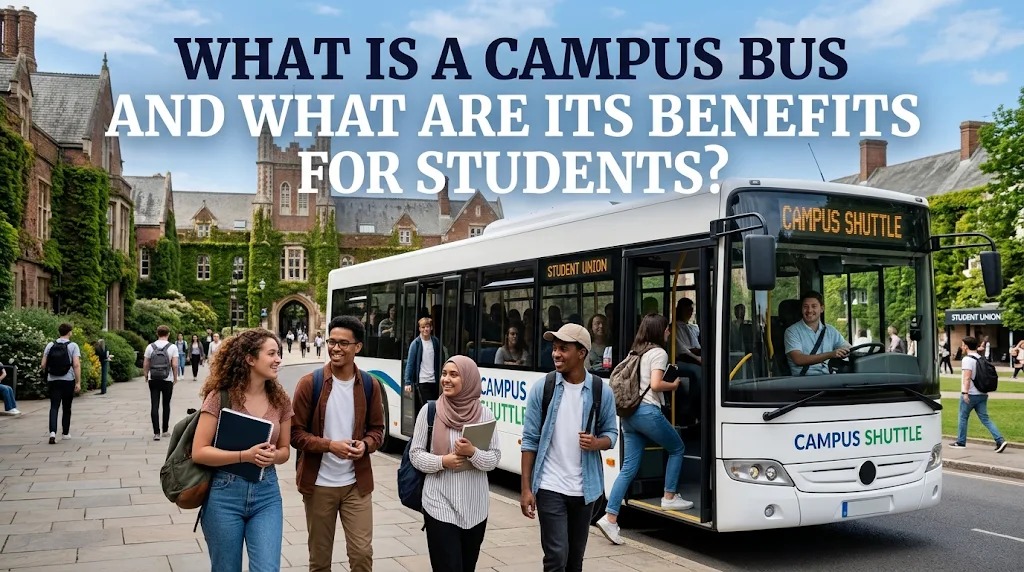
A campus bus is a transportation service provided by a university or college to help students travel conveniently between different areas of the campus. This facility is especially useful for educational institutions with large campus areas, multiple buildings, or locations that are far from public transportation. By providing accessible and affordable transportation, campus buses help students reach classrooms, libraries, laboratories, dormitories, and other campus facilities more easily.
In addition to improving mobility, campus buses offer several benefits related to safety, time efficiency, student comfort, and environmental sustainability. This service can also reduce the number of private vehicles used within university areas. Understanding how campus buses work and their advantages can help students make better use of transportation facilities provided by their educational institutions.
WHAT IS A CAMPUS BUS?
A campus bus is a transportation service operated by a university or college to support the daily mobility of students, lecturers, staff members, and other authorized campus visitors. The service usually follows specific routes that connect important locations within or around the educational institution. These routes may include academic buildings, student dormitories, parking areas, libraries, cafeterias, and sports facilities.
Campus buses generally operate according to predetermined schedules, allowing passengers to plan their journeys more efficiently. Some universities provide free transportation, while others may charge a small fee depending on their operational policies. The vehicles can vary in size, ranging from small shuttle buses to larger buses that accommodate more passengers.
The main purpose of this facility is to make transportation within the campus easier, safer, and more organized. It is particularly helpful for students who need to move between buildings during busy academic schedules.
WHAT ARE THE MAIN BENEFITS OF CAMPUS BUSES FOR STUDENTS?
Campus buses provide several advantages that can improve students' daily academic activities. One of the most important benefits is convenience because students do not need to walk long distances between buildings, especially when they have limited time between classes. This service is also helpful during rainy weather or extremely hot conditions.
Another important advantage is transportation cost savings. Students who regularly use campus buses can reduce their spending on fuel, parking, ride-hailing services, or other transportation options. For students who live in campus dormitories or frequently travel between different campus facilities, this can make a noticeable difference in their daily expenses.
Campus buses also support better time management by providing scheduled transportation. Students can organize their activities based on available bus services and reduce unnecessary travel time. Furthermore, accessible transportation helps students with mobility limitations participate more easily in academic and extracurricular activities.
HOW DO CAMPUS BUSES IMPROVE STUDENT SAFETY AND COMFORT?
Safety is an essential factor in university transportation services. Campus buses can reduce the need for students to use private motorcycles or walk through unfamiliar and crowded areas. When properly managed, these services provide a more controlled transportation environment for passengers traveling between campus locations.
Comfort is another important consideration. Well-maintained buses should provide adequate seating, ventilation, lighting, and sufficient space for passengers. Clear route information, convenient boarding areas, and reliable schedules can also improve the overall passenger experience.
Universities should ensure that drivers have appropriate qualifications and receive regular training. Vehicles must undergo routine maintenance and safety inspections to reduce the risk of accidents or technical problems. These measures help create a safer and more comfortable transportation experience for everyone using the service.
HOW DO CAMPUS BUSES SUPPORT ENVIRONMENTAL SUSTAINABILITY?
Campus buses can contribute to a more environmentally friendly university by reducing the number of individual vehicles operating within campus areas. When several students share one bus instead of traveling separately using motorcycles or cars, fuel consumption and vehicle emissions per passenger can be reduced.
This transportation system can also help decrease traffic congestion and the demand for parking spaces. As a result, universities can manage their campus areas more efficiently and create a more comfortable environment for pedestrians and cyclists.
Some educational institutions are also exploring electric buses and other low-emission transportation technologies. These alternatives can further reduce air pollution and dependence on fossil fuels. By providing reliable shared transportation, universities encourage students to develop more sustainable travel habits that can benefit the environment in the long term.
CONCLUSION
A campus bus is an important transportation facility that helps students travel between different areas of a university conveniently and efficiently. Its benefits include reducing transportation expenses, saving time, improving safety and comfort, and supporting environmental sustainability. However, these advantages depend on proper route planning, reliable schedules, vehicle maintenance, and effective management. By continuously improving campus bus services, universities can create a more accessible, organized, and environmentally friendly learning environment for their academic communities.
Recent Posts

Bagaimana Sistem SKS pada Program Kuliah... 22.11.2026/33 View

How Does Technology Make Daily Evaluation... 21.11.2026/67 View

Apa Strategi Menghadapi Kesenjangan antara Kompetensi... 21.11.2026/67 View

Mengapa Inventaris Aset Penting bagi Kelancaran... 21.11.2026/65 View

When Should Musicians Join a Record... 21.11.2026/66 View
