

What Is a Fake Identity and Why Is It Often Used for Fraud?
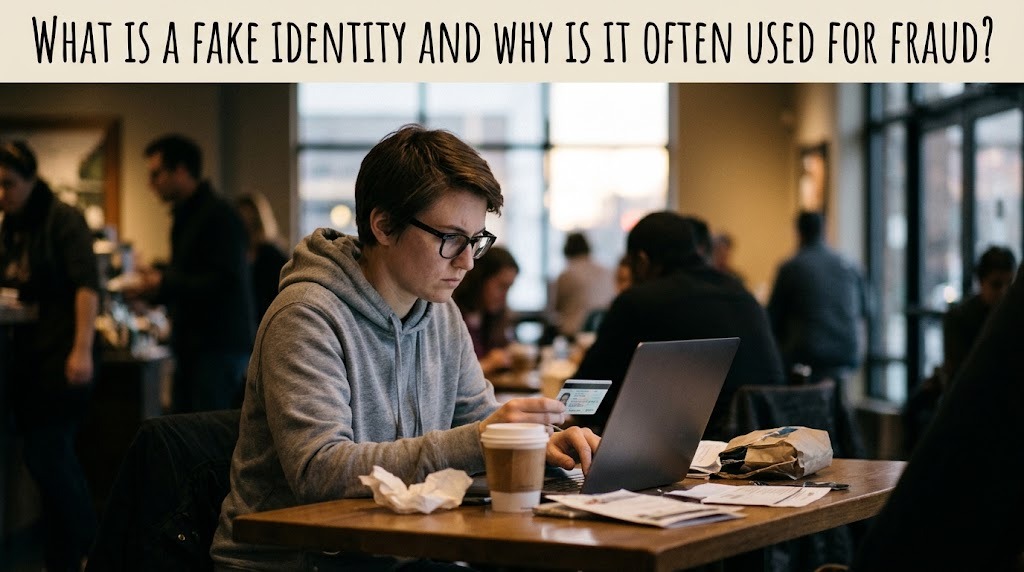
A fake identity is false personal information used by someone to pretend to be another person or present themselves as someone they are not. This information may include a name, date of birth, photograph, address, identification number, or other personal details. Fake identities can be created using completely invented information or by combining real personal data with false details. In some situations, criminals also use another person's identity without permission to hide their actual identity. This practice can happen in everyday interactions, online platforms, financial services, and various digital transactions.
The use of fake identities has become a growing concern as more activities move to the internet. People increasingly rely on digital accounts to communicate, shop, work, and access financial services. Unfortunately, these activities can create opportunities for individuals who want to deceive others. Understanding what a fake identity is helps people recognize suspicious behavior and become more careful when sharing personal information.
WHY FAKE IDENTITIES ARE OFTEN USED FOR FRAUD
Fake identities are frequently used for fraud because they allow criminals to hide their real identities and make their activities appear legitimate. By pretending to be trustworthy individuals, they can gain the confidence of potential victims. For example, someone may create a fake social media profile to establish relationships before asking another person for money. Others may pretend to represent a company, financial institution, or government organization to obtain confidential information.
Another reason fake identities are used is to make criminal activities more difficult to trace. Fraudsters may use false personal details when creating online accounts, communicating with victims, or conducting unauthorized transactions. They can also use stolen identity information to make fraudulent applications or access services that do not belong to them. These actions can cause financial losses, damage personal reputations, and create serious security problems for victims. Therefore, fake identities are not simply a matter of pretending to be someone else but can become tools for various forms of criminal activity.
COMMON FORMS OF FAKE IDENTITY IN DAILY LIFE
Fake identities can appear in different forms depending on the purpose and environment in which they are used. One common example is a fake social media account that uses another person's photograph, name, or personal information. Such accounts may be created to deceive other users, spread misleading information, or conduct online scams. Fake identities can also appear on dating applications, where individuals pretend to have different backgrounds, occupations, or personal circumstances to gain someone's trust.
In financial activities, criminals may misuse personal information to apply for services, conduct unauthorized transactions, or deceive customers. Another example involves people pretending to be employees, business representatives, or officials to obtain sensitive information from their targets. Fake identities may also appear in online marketplaces when sellers or buyers use false profiles to avoid accountability. Although the methods can differ, these activities share one important characteristic: they involve misleading others about someone's actual identity.
THE DANGERS AND IMPACTS OF FAKE IDENTITY FRAUD
Fake identity fraud can have serious consequences for individuals, businesses, and society. Victims may lose money after trusting someone who uses false personal information to manipulate them. In some cases, their personal data may be collected and misused without their knowledge. This information can potentially be used for unauthorized account access, fraudulent transactions, or other forms of identity misuse.
The consequences are not limited to financial losses. Victims may experience emotional stress, fear, embarrassment, and difficulties restoring their personal information. Businesses can also suffer financial damage, lose customer confidence, and face additional security problems when criminals use fake identities to access their services. Furthermore, widespread identity fraud can reduce public trust in digital platforms and online transactions. These risks demonstrate why identity protection and proper verification procedures are important in modern society.
HOW TO RECOGNIZE AND PREVENT FAKE IDENTITY FRAUD
Recognizing fake identities requires attention to personal information, online behavior, and communication patterns. One warning sign is an account that provides inconsistent details about its name, occupation, background, or personal history. Suspicious individuals may also avoid video calls, refuse to provide reasonable verification, or pressure others to share sensitive information quickly. However, a single suspicious characteristic does not automatically prove that someone is using a fake identity. It is important to examine the available information carefully before making conclusions.
Preventing fake identity fraud begins with protecting personal information. Avoid sharing identification numbers, passwords, financial details, or verification codes with unknown individuals. When dealing with online sellers, business representatives, or financial services, check whether their accounts and official communication channels can be verified. Use strong passwords and additional account security features to reduce the risk of unauthorized access.
If someone suspects that their identity has been misused, they should immediately secure affected accounts, contact the relevant service provider, and report suspicious activity through appropriate channels. Keeping records of suspicious messages and transactions can also help when reporting an incident. Taking these precautions can reduce the risk of becoming a victim and help create a safer digital environment.
CONCLUSION
A fake identity is false or misused personal information intended to deceive others about someone's actual identity. It is often used for fraud because criminals can hide their real identities, gain people's trust, and carry out unauthorized activities. Fake identities can appear on social media, dating applications, online marketplaces, and financial services. Their consequences may include financial losses, personal data misuse, and damage to public trust. By recognizing suspicious behavior, protecting personal information, and verifying identities through reliable channels, individuals can reduce the risk of fake identity fraud.
Recent Posts

Bagaimana Sistem SKS pada Program Kuliah... 22.11.2026/37 View

How Does Technology Make Daily Evaluation... 21.11.2026/70 View

Apa Strategi Menghadapi Kesenjangan antara Kompetensi... 21.11.2026/73 View

Mengapa Inventaris Aset Penting bagi Kelancaran... 21.11.2026/68 View

When Should Musicians Join a Record... 21.11.2026/71 View
