

What Is a Homeroom Teacher and What Are Their Main Responsibilities?
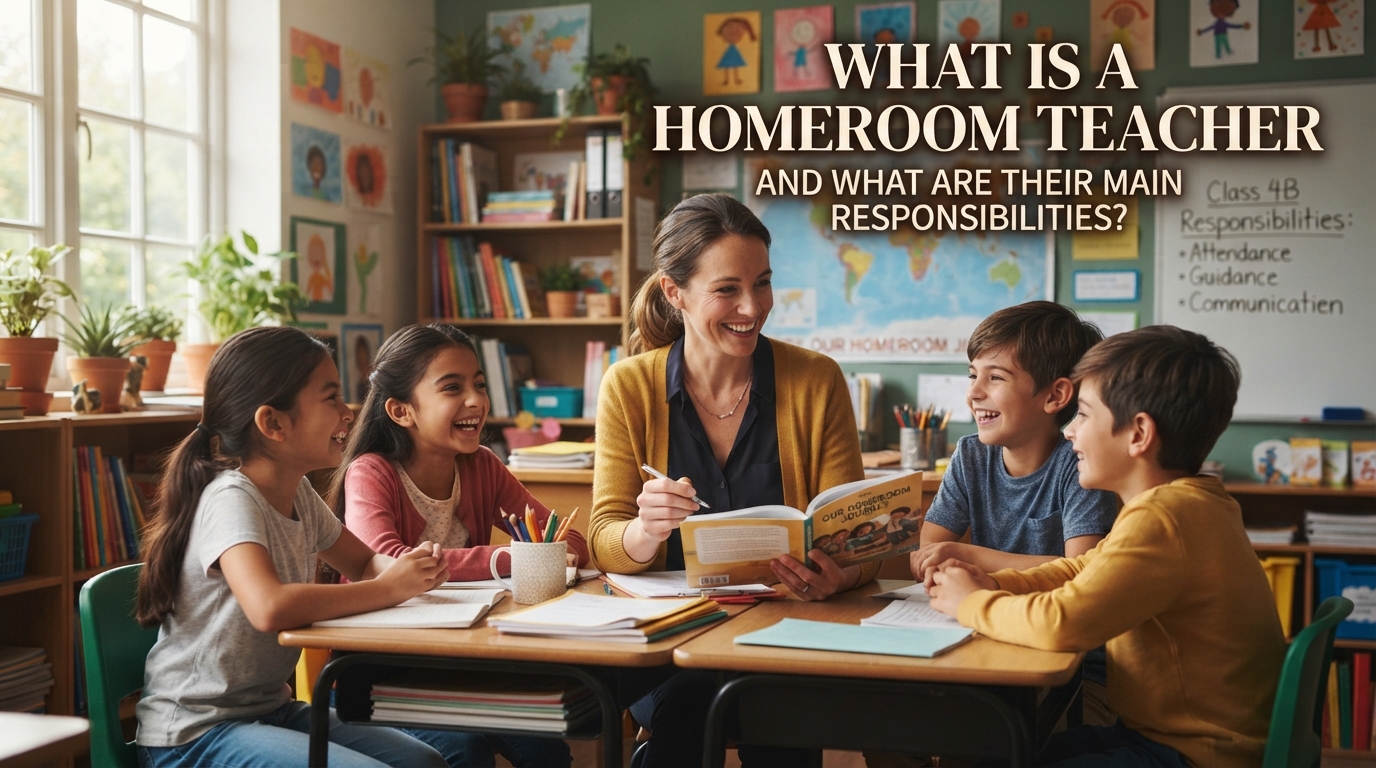
A homeroom teacher is an educator who takes responsibility for guiding, supervising, and supporting a specific group of students throughout their educational journey. Besides teaching, a homeroom teacher plays an important role in monitoring students' academic progress, behavior, attendance, and personal development. They also serve as a communication bridge between students, parents, and the school to ensure that educational activities run smoothly.
In many schools, homeroom teachers are considered important figures because they understand students' individual needs and help create a positive classroom environment. Their responsibilities are not limited to administrative duties but also include providing guidance, motivation, and emotional support. Understanding the role of a homeroom teacher helps explain how teachers contribute to students' academic achievements and overall development.
WHAT IS A HOMEROOM TEACHER?
A homeroom teacher is a teacher assigned by a school to manage and supervise a particular class or group of students. Their main role is to monitor students' development, maintain classroom discipline, and ensure that students participate in educational activities effectively. They also help students understand school rules, develop positive habits, and build good relationships with classmates. Unlike subject teachers who mainly focus on specific academic subjects, homeroom teachers have broader responsibilities related to students' overall school experience.
In addition, homeroom teachers act as the main contact persons for parents who want to understand their children's progress at school. They communicate important information about academic performance, attendance, behavior, and other classroom activities. Through regular communication and observation, they can identify students who need additional attention or support. Therefore, a homeroom teacher plays an important role in creating a supportive and organized learning environment.
MONITORING STUDENTS' ACADEMIC PERFORMANCE
One of the main responsibilities of a homeroom teacher is monitoring students' academic performance. They regularly review students' grades, assignments, examination results, and participation in classroom activities. This information helps them understand each student's strengths, weaknesses, and learning progress. When students experience academic difficulties, homeroom teachers can provide encouragement and suggest appropriate ways to improve their performance.
Homeroom teachers also communicate with subject teachers to obtain a clearer picture of students' learning development. By discussing students' progress with other educators, they can identify problems that may affect academic achievement. They may also recommend additional learning support, consultations, or discussions with parents when necessary. This responsibility helps ensure that students receive proper attention and have opportunities to achieve better educational results.
MAINTAINING CLASSROOM DISCIPLINE AND ORDER
Maintaining classroom discipline is another important responsibility of a homeroom teacher. They help establish classroom rules, encourage students to follow school regulations, and promote respectful behavior. A well-managed classroom allows students to concentrate on learning without unnecessary distractions. Homeroom teachers also teach students the importance of discipline, responsibility, punctuality, and mutual respect.
When students break school rules or demonstrate inappropriate behavior, homeroom teachers are expected to respond fairly and constructively. Instead of focusing only on punishment, they should help students understand the consequences of their actions and learn from their mistakes. They can also encourage positive behavior through guidance, discussions, and appropriate recognition. These efforts help create a safe, comfortable, and supportive classroom environment.
COMMUNICATING WITH PARENTS AND GUARDIANS
Effective communication with parents and guardians is an essential part of a homeroom teacher's responsibilities. Teachers need to provide information about students' academic achievements, attendance, behavior, and development at school. Communication can take place through parent meetings, telephone calls, messaging applications, or official school communication platforms. This cooperation helps parents understand their children's educational experiences and become more involved in supporting their learning.
Furthermore, homeroom teachers should listen to parents' concerns and discuss possible solutions when students face academic or personal challenges. Strong cooperation between families and schools can help identify problems earlier and provide appropriate support. Teachers should also communicate information clearly, respectfully, and professionally to avoid misunderstandings. Through positive relationships with parents, homeroom teachers can strengthen the connection between home and school environments.
PROVIDING GUIDANCE AND EMOTIONAL SUPPORT
Students experience different challenges during their school years, including learning difficulties, friendship problems, lack of confidence, and changes in personal circumstances. A homeroom teacher can help by providing encouragement, listening to students' concerns, and offering appropriate guidance. They should create an atmosphere where students feel comfortable expressing their thoughts and asking for help. This support can help students develop self-confidence, independence, and emotional resilience.
However, homeroom teachers must also understand the limits of their responsibilities when dealing with serious personal or psychological problems. If a student requires specialized assistance, teachers should coordinate with school counselors, parents, or other qualified professionals. They should respect students' privacy and handle sensitive information responsibly. By providing appropriate support, homeroom teachers contribute to students' well-being and create a healthier learning environment.
MANAGING STUDENT ATTENDANCE AND CLASS ADMINISTRATION
Homeroom teachers are generally responsible for managing important classroom administrative records. These responsibilities include checking attendance, recording student information, organizing class documents, and preparing administrative reports when required. Accurate records help schools monitor students' participation and identify attendance problems that may affect their education. Teachers must ensure that administrative information is updated and properly maintained.
In addition, homeroom teachers may coordinate classroom schedules, distribute school announcements, and help organize various school activities. They also communicate important administrative information to students and parents when necessary. Although these tasks may seem simple, they require accuracy, organization, and responsibility. Effective classroom administration helps schools operate more efficiently and ensures that students receive important information on time.
DEVELOPING STUDENTS' CHARACTER AND SOCIAL SKILLS
Education is not only about academic achievement but also about developing good character and social abilities. Homeroom teachers help students practice positive values such as honesty, cooperation, respect, responsibility, and tolerance. They can encourage these values through classroom discussions, group activities, and everyday interactions. By setting positive examples, teachers help students understand how to behave appropriately in different situations.
Homeroom teachers also encourage students to develop communication, teamwork, and problem-solving skills. These abilities are important because students need to interact with different people and adapt to various social environments. Teachers can provide opportunities for students to participate in group projects, classroom responsibilities, and extracurricular activities. Through consistent guidance, students can become more independent, confident, and responsible individuals.
WHY IS A HOMEROOM TEACHER IMPORTANT FOR STUDENTS?
A homeroom teacher is important because they help students experience a more organized, supportive, and meaningful educational journey. Their involvement allows teachers to understand students' academic conditions, personal needs, and classroom behavior more closely. This understanding makes it easier to identify students who require additional guidance or encouragement. As a result, students can receive more appropriate support throughout their education.
Moreover, homeroom teachers help strengthen cooperation between students, parents, subject teachers, and school management. Good communication among these parties can improve the learning environment and prevent small problems from becoming more serious. Their guidance also helps students develop positive attitudes and social skills that are useful beyond the classroom. Therefore, homeroom teachers contribute not only to academic success but also to students' personal growth and character development.
CONCLUSION
A homeroom teacher is an educator who has an important responsibility for guiding, supervising, and supporting students in a particular class. Their main duties include monitoring academic performance, maintaining classroom discipline, communicating with parents, providing guidance, managing attendance records, and developing students' character. These responsibilities require patience, communication skills, organization, and a strong sense of responsibility.
Ultimately, a good homeroom teacher does more than manage classroom activities. They help students overcome challenges, build confidence, develop positive habits, and achieve their educational goals. Through effective cooperation with parents and other school staff, homeroom teachers can create a positive learning environment that supports students' academic and personal development.
Recent Posts

How Does Technology Make Daily Evaluation... 21.11.2026/56 View

Apa Strategi Menghadapi Kesenjangan antara Kompetensi... 21.11.2026/58 View

Mengapa Inventaris Aset Penting bagi Kelancaran... 21.11.2026/53 View

When Should Musicians Join a Record... 21.11.2026/53 View

Daily Evaluation or Daily Planning Which... 21.11.2026/60 View
