

What Is a Radio Announcer and What Are Their Main Responsibilities?
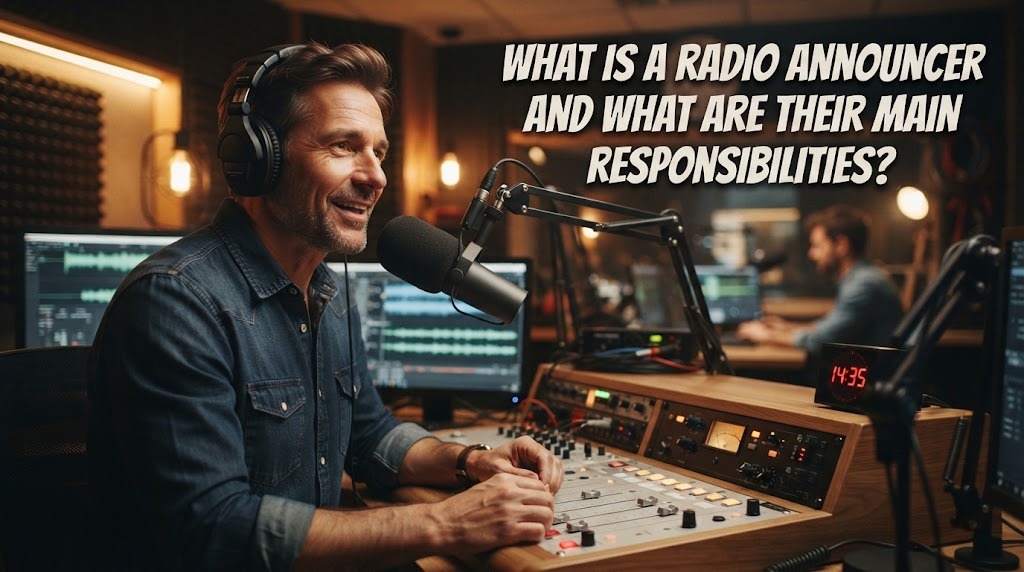
A radio announcer is a professional who communicates with listeners through radio programs. They are responsible for delivering information, introducing music, guiding discussions, and creating an engaging listening experience. A radio announcer may work on music programs, news broadcasts, talk shows, entertainment programs, or other types of radio content. Although the audience cannot see them directly, their voice, communication style, and personality play an important role in keeping listeners interested. This profession requires strong communication skills, confidence, creativity, and the ability to respond quickly during live broadcasts.
In the modern media industry, the role of a radio announcer has also expanded beyond traditional broadcasting. Many announcers interact with audiences through social media, streaming platforms, podcasts, and digital radio services. They may also help prepare program content, conduct interviews, and promote radio events. Because of these changing responsibilities, becoming a radio announcer requires both broadcasting knowledge and digital media skills.
UNDERSTANDING THE ROLE OF A RADIO ANNOUNCER
A radio announcer serves as the voice of a radio program and acts as a connection between the station and its audience. Their main task is to communicate information in a clear, natural, and interesting way. They introduce songs, provide announcements, discuss current topics, and sometimes communicate directly with listeners through phone calls or messages. The announcer must adjust their speaking style according to the type of program and target audience. For example, an entertainment program may require a relaxed and energetic style, while a news program requires a more serious and professional approach.
A good radio announcer also understands how to maintain the atmosphere of a program. They need to know when to speak, when to allow music or other audio elements to play, and how to transition smoothly between segments. Their voice should be easy to understand, while their delivery should sound natural rather than overly scripted. This makes the listening experience more comfortable and helps build a strong relationship with the audience.
MAIN RESPONSIBILITIES OF A RADIO ANNOUNCER
One of the main responsibilities of a radio announcer is delivering information and content to listeners. They may introduce songs, explain program segments, read announcements, share news updates, and provide other relevant information. They are also often responsible for keeping the program running according to the planned schedule. During live broadcasts, they must pay close attention to timing because even a small mistake can affect the next segment.
Radio announcers may also conduct interviews with guests, artists, experts, or public figures. They need to prepare questions, listen carefully to answers, and respond appropriately during the conversation. In addition, they may interact with listeners through calls, text messages, social media, or online platforms. These activities require good listening skills, quick thinking, and the ability to communicate clearly under pressure.
CONTENT PREPARATION AND PROGRAM PLANNING
Radio announcers often contribute to content preparation before going on air. They may research topics, collect relevant information, prepare discussion points, and develop questions for interviews. Good preparation helps announcers speak confidently and avoid providing inaccurate information. They also need to understand the target audience so that the content matches listeners' interests and expectations. For programs that discuss current events, they must pay particular attention to the accuracy and relevance of their sources.
Program planning is also important because radio broadcasting depends heavily on timing. An announcer may need to coordinate with producers, music directors, news teams, or technical staff. They should understand the program rundown and know what will happen during each segment. Proper preparation allows them to handle unexpected situations more calmly when a live program does not go according to plan.
COMMUNICATION SKILLS REQUIRED FOR RADIO ANNOUNCERS
Strong communication skills are essential for a radio announcer because their voice is the primary way they connect with listeners. They must pronounce words clearly, use appropriate vocabulary, and control their speaking speed. Voice tone, rhythm, pauses, and emphasis can also influence how listeners understand a message. An announcer should therefore practice speaking regularly and learn how to make their delivery sound natural and engaging.
Public speaking skills are also useful because radio announcers frequently communicate with different types of people. They may interview guests, respond to listeners, participate in promotional activities, or represent the radio station at public events. Confidence is important, but it should be balanced with professionalism and good listening skills. An effective announcer knows how to communicate confidently without dominating every conversation.
THE IMPORTANCE OF VOICE AND PERSONALITY
A distinctive voice can help a radio announcer become recognizable to listeners. However, having a pleasant voice alone is not enough to succeed in this profession. An announcer needs to develop proper breathing, pronunciation, vocal control, and microphone technique. They should also understand how to adjust their voice based on the mood and purpose of the program. Regular vocal practice can help improve clarity, stamina, and consistency.
Personality is another important factor in radio broadcasting. Listeners often develop a sense of familiarity with announcers because they hear their voices regularly. A friendly, authentic, and relatable personality can make audiences feel more connected to a program. At the same time, announcers must maintain professional boundaries and avoid communication that could harm the reputation of the station.
HANDLING LIVE BROADCASTS AND UNEXPECTED SITUATIONS
Live broadcasting requires radio announcers to think quickly and remain calm. Technical problems, unexpected delays, missing guests, or changes in the program schedule can happen at any time. When this occurs, the announcer may need to fill the available time with relevant conversation or adjust the segment without making the audience uncomfortable. This ability is often developed through experience, preparation, and practice.
An announcer should also know how to recover from mistakes. Mispronouncing a word or missing a cue can happen during a live program, but reacting calmly can prevent a small mistake from becoming a larger problem. They should follow instructions from the producer or technical team while continuing to communicate naturally. The ability to stay composed is one of the important skills that separates a prepared announcer from an inexperienced one.
DIGITAL SKILLS IN MODERN RADIO BROADCASTING
Radio announcers today often need digital skills in addition to traditional broadcasting abilities. Many radio stations use websites, social media platforms, streaming services, and digital content to reach wider audiences. Announcers may create short promotional videos, write social media captions, participate in online broadcasts, or communicate with audiences through digital platforms. These activities allow announcers to maintain audience engagement beyond traditional radio.
Digital skills can also support content research and program development. Announcers may monitor online trends to identify topics that interest their audience. However, they must evaluate online information carefully before discussing it on air. The ability to distinguish reliable information from misleading content is especially important when discussing current issues.
CAREER OPPORTUNITIES FOR RADIO ANNOUNCERS
Radio announcers can work in different types of broadcasting environments. They may become music announcers, news announcers, talk show hosts, sports broadcasters, or entertainment presenters. Some professionals also develop careers as podcast hosts, voice-over artists, event hosts, or digital content creators. Experience in radio can therefore provide useful communication skills for many other media-related careers.
Career development usually depends on communication ability, broadcasting experience, creativity, professionalism, and adaptability. Building a portfolio can help demonstrate an announcer's abilities to potential employers. A portfolio may include recorded broadcasts, interview samples, voice demonstrations, or examples of digital content. Continuous learning is also important because broadcasting technology and audience habits continue to change.
CONCLUSION
A radio announcer is a professional who uses their voice and communication skills to deliver information, entertainment, and meaningful interaction to listeners. Their responsibilities include preparing content, presenting programs, introducing music, conducting interviews, interacting with audiences, and maintaining the flow of live broadcasts. They also need to handle unexpected situations while keeping their communication clear and professional.
In today's digital media environment, radio announcers must continue developing their skills beyond traditional broadcasting. Strong communication, voice control, creativity, digital literacy, preparation, and adaptability can help them succeed in a competitive industry. Although the technology used by radio continues to evolve, the ability to connect with an audience through effective communication remains at the heart of the profession.
Recent Posts

Bagaimana Sistem SKS pada Program Kuliah... 22.11.2026/35 View

How Does Technology Make Daily Evaluation... 21.11.2026/69 View

Apa Strategi Menghadapi Kesenjangan antara Kompetensi... 21.11.2026/69 View

Mengapa Inventaris Aset Penting bagi Kelancaran... 21.11.2026/67 View

When Should Musicians Join a Record... 21.11.2026/68 View
