

What Is a School Committee and What Are Its Main Functions?
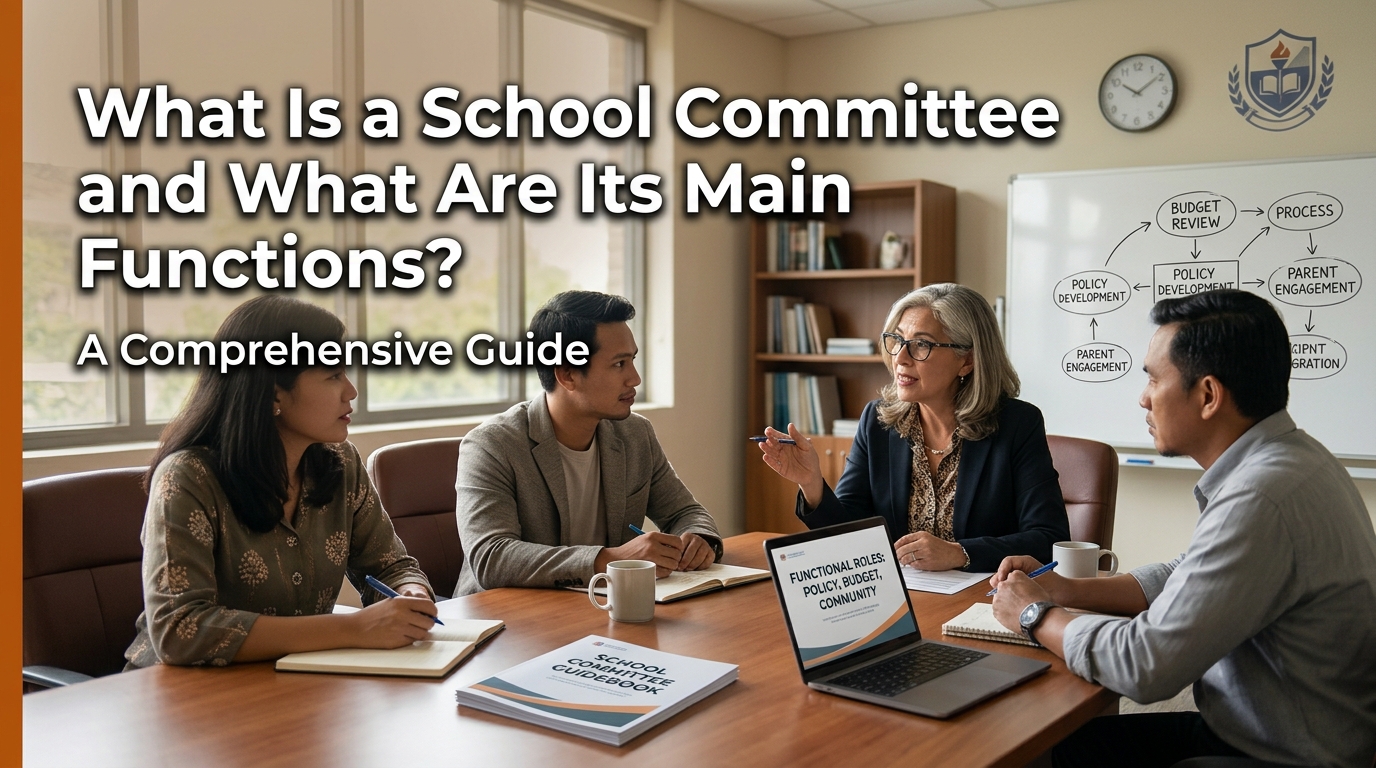
A school committee plays an important role in supporting the quality of education. It serves as a bridge between schools, parents, and the community to create a better learning environment for students. Through cooperation and active participation, school committees can help schools understand community needs, improve educational services, and develop effective school programs.
Understanding the meaning and functions of a school committee is important for parents and community members. This organization does not replace school leaders or teachers but works alongside them to support educational development. Its involvement can encourage transparency, accountability, and shared responsibility in providing quality education.
WHAT IS A SCHOOL COMMITTEE?
A school committee is an independent organization that supports a school by providing advice, assistance, supervision, and community input. Its members may include parents, community representatives, education experts, and other individuals who care about improving education. The committee acts as a partner of the school rather than being part of its daily management structure. Its main purpose is to encourage cooperation between educational institutions and the communities they serve.
School committees help ensure that educational programs consider the needs and interests of students. They provide opportunities for parents and community members to express opinions, share suggestions, and participate in school development. Through this involvement, schools can receive valuable feedback from different perspectives. Therefore, a school committee is an important partner in creating an inclusive, transparent, and supportive educational environment.
MAIN FUNCTIONS OF A SCHOOL COMMITTEE
A school committee has several important functions that support educational improvement. One of its main responsibilities is providing advice and recommendations regarding school policies, educational programs, and student needs. It can also support school activities by contributing ideas, resources, or voluntary assistance. These contributions should follow applicable regulations and must not create unfair financial pressure on parents.
Another important function is monitoring educational services to encourage schools to maintain appropriate standards. School committees also collect and communicate feedback from parents and community members to school leaders. This role helps improve communication and address concerns that may affect the learning process. By carrying out these functions responsibly, school committees can support better school management and educational quality.
THE ROLE OF SCHOOL COMMITTEES IN IMPROVING EDUCATION QUALITY
School committees contribute to education quality by helping schools identify important needs and development priorities. They can provide suggestions about learning facilities, classroom conditions, libraries, laboratories, and other educational resources. These recommendations can help schools create a more comfortable and effective learning environment. A well-supported school can provide students with better opportunities to develop their knowledge and abilities.
School committees can also encourage parents to become more involved in their children's education. Cooperation between families and schools is essential because student development takes place both inside and outside the classroom. Parents can share information about students' needs, while schools can provide updates about academic progress and learning activities. This collaboration helps create a stronger educational support system for students.
DUTIES AND RESPONSIBILITIES OF A SCHOOL COMMITTEE
The duties of a school committee involve more than attending meetings or providing financial support. Its responsibilities include offering recommendations, collecting community feedback, supporting school programs, and helping identify educational priorities. Committee members should consider students' interests when discussing school development. Their contributions must focus on improving educational services rather than serving personal or political interests.
School committees are also responsible for maintaining good communication with school leaders, teachers, parents, and community representatives. They should promote transparency, accountability, and public participation in their activities. If the committee receives donations or other forms of community support, the resources must be managed openly and responsibly. These practices help build public trust and ensure that community contributions benefit the educational process.
PRINCIPLES OF AN EFFECTIVE SCHOOL COMMITTEE
An effective school committee should operate according to principles such as independence, democracy, professionalism, and transparency. Independence means that the committee should not become a tool for personal or group interests. Democratic participation allows members to express their opinions and make decisions through fair discussions. Professionalism encourages members to carry out their responsibilities carefully and according to relevant regulations.
Transparency is equally important, especially when activities involve donations, financial contributions, or educational resources. Every form of support should be voluntary and managed responsibly. Parents must not be forced to provide money as a condition for their children to receive educational services. By following these principles, school committees can maintain public confidence and develop healthy partnerships with schools.
BENEFITS OF SCHOOL COMMITTEES FOR STUDENTS AND PARENTS
School committees provide several benefits for both students and parents. For students, their involvement can encourage improvements in learning facilities, educational programs, and the overall school environment. Better facilities and suitable programs can support student motivation, academic achievement, and personal development. School committees can also help communicate concerns about educational services to school administrators.
For parents, school committees provide a channel to express opinions, suggestions, and concerns about school policies. Parents can participate in discussions about educational development without having to manage the school's daily activities. This involvement can strengthen communication and reduce misunderstandings between families and school administrators. As a result, cooperation becomes more effective and students receive stronger support throughout their education.
DIFFERENCES BETWEEN SCHOOL COMMITTEES AND SCHOOL MANAGEMENT
School committees and school management have different responsibilities, although both work toward improving education quality. School management, including principals and teachers, is responsible for daily school operations and the implementation of educational programs. Their duties include organizing classroom activities, managing teaching staff, preparing school plans, and ensuring that learning activities run effectively. Meanwhile, school committees act as independent partners that provide recommendations, support, supervision, and community feedback.
Understanding these differences helps prevent confusion about authority and responsibilities. A school committee does not replace the principal or have direct responsibility for managing teachers and daily classroom activities. Instead, it provides input and encourages accountability in educational services. When both parties understand their respective roles, cooperation can become more productive and beneficial for students.
CONCLUSION
A school committee is an independent organization that supports schools in improving educational quality through cooperation with parents and the wider community. Its main functions include providing recommendations, supporting school programs, monitoring educational services, and collecting community feedback. These responsibilities help schools understand their needs and improve the quality of education.
An effective school committee must maintain transparency, accountability, independence, and public participation in its activities. Strong cooperation between school committees, school management, parents, and communities can create a better learning environment. Ultimately, the main goal of a school committee is to support educational development and ensure that students' interests remain a priority.
Recent Posts

Bagaimana Sistem SKS pada Program Kuliah... 22.11.2026/28 View

How Does Technology Make Daily Evaluation... 21.11.2026/65 View

Apa Strategi Menghadapi Kesenjangan antara Kompetensi... 21.11.2026/65 View

Mengapa Inventaris Aset Penting bagi Kelancaran... 21.11.2026/62 View

When Should Musicians Join a Record... 21.11.2026/63 View
