

What Is a School Health Unit and Why Is It Important for Students?
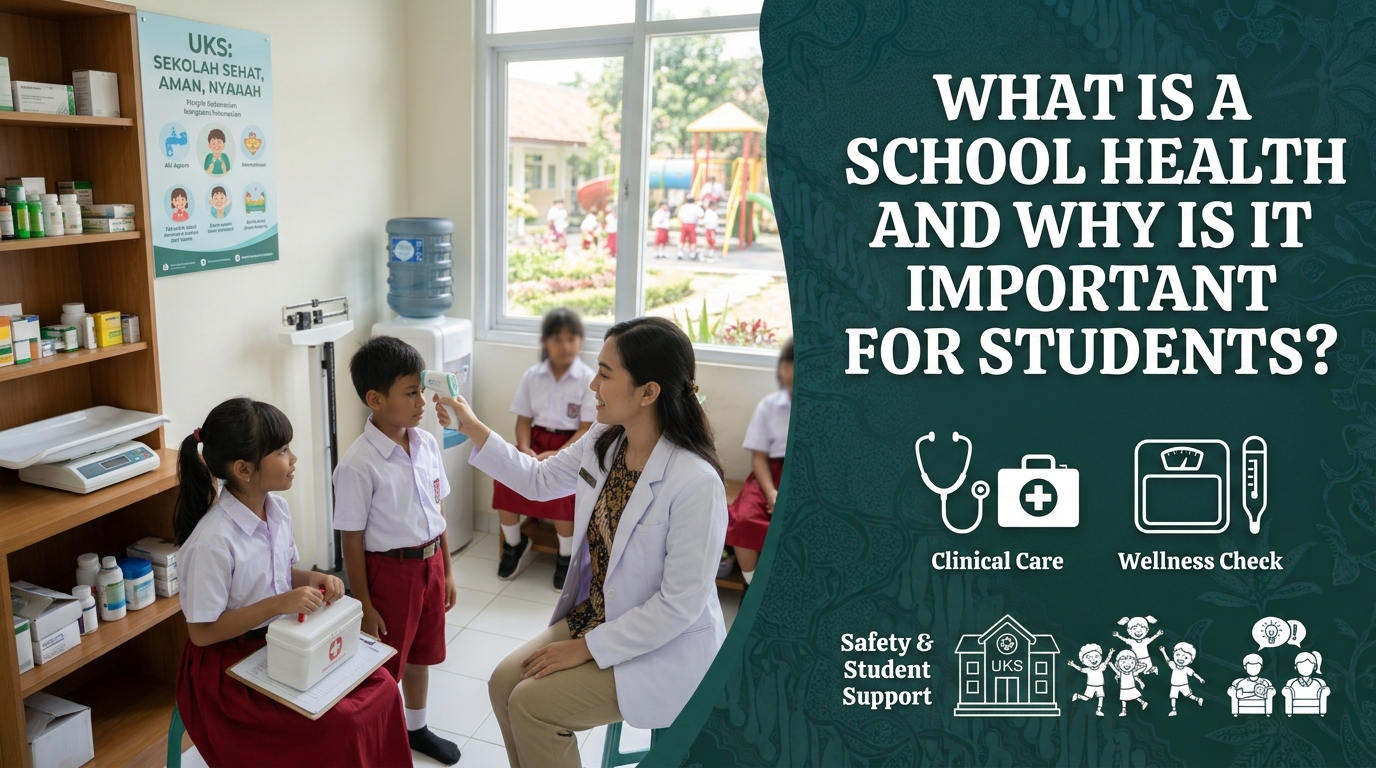
Health is an essential part of every student's growth and development. Students need more than academic knowledge to succeed at school. They also need a healthy, safe, and supportive environment that allows them to learn comfortably and participate in daily activities. One important program that supports these needs is the School Health Unit (SHU).
A School Health Unit helps schools promote healthy habits, provide basic health services, and prevent common health problems among students. It also teaches children how to maintain personal hygiene, choose nutritious foods, and care for their surroundings. Through regular health activities and education, students can develop positive habits that benefit them both inside and outside school. So, what exactly is a School Health Unit, and why is it important for students? Here is a complete explanation.
WHAT IS A SCHOOL HEALTH UNIT?
A School Health Unit (SHU) is a school-based health program designed to improve students' health and well-being through education, basic health services, and a healthy school environment. It aims to help students understand the importance of maintaining their physical and mental health from an early age. The program also encourages students to develop healthy habits that can continue into adulthood.
In Indonesia, the School Health Unit is commonly known as Usaha Kesehatan Sekolah (UKS). It is built around three main activities: health education, health services, and the development of a healthy school environment. These activities work together to prevent illness, improve health awareness, and create better learning conditions for students.
The School Health Unit is not simply a room where students receive first aid when they feel sick. It is also an educational program that encourages students, teachers, parents, and healthcare professionals to work together in maintaining school health.
WHY IS A SCHOOL HEALTH UNIT IMPORTANT FOR STUDENTS?
PREVENTING THE SPREAD OF DISEASES
One of the main purposes of a School Health Unit is to help prevent the spread of diseases in the school environment. Students interact with many people every day and frequently share classrooms, learning materials, and public facilities. Without proper hygiene practices, germs can spread easily through contaminated hands, surfaces, food, and water.
Through health education, students learn simple preventive habits such as washing their hands with soap, covering their mouths when coughing or sneezing, and keeping their personal belongings clean. Schools can also maintain clean toilets, provide safe drinking water, and ensure that classrooms are properly ventilated. These preventive measures help reduce the risk of infections and support a healthier school community.
IMPROVING STUDENTS' HEALTH AWARENESS
Health awareness is important because students need to understand how their daily choices affect their well-being. A School Health Unit provides information about personal hygiene, nutrition, physical activity, dental care, and disease prevention. This knowledge helps students recognize the importance of taking care of their bodies.
Health education can be delivered through classroom discussions, posters, demonstrations, videos, and interactive activities. Students are also encouraged to apply what they learn in their daily routines. By developing health awareness early, they can make better decisions and become more responsible for their own health.
SUPPORTING LEARNING AND ACADEMIC PERFORMANCE
Good health plays an important role in students' ability to learn. Students who are healthy generally have a better opportunity to concentrate, participate in classroom activities, and complete their schoolwork comfortably. In contrast, frequent illness, fatigue, and poor nutrition can interfere with their learning activities.
A School Health Unit supports students by promoting healthy eating habits, physical activity, proper hygiene, and early attention to health problems. These efforts help create better conditions for learning. When students feel healthy and comfortable, they are more prepared to participate actively in education.
PROVIDING BASIC HEALTH SERVICES
A School Health Unit helps students access basic health support while they are at school. These services may include first aid for minor injuries, basic health checks, health monitoring, and referrals when students need further medical attention. Such services are important because health problems can occur unexpectedly during school activities.
The school should provide a clean and suitable health room with appropriate first-aid supplies. Teachers or designated staff members should also understand basic emergency procedures and know when professional medical assistance is necessary. However, a School Health Unit does not replace a hospital, clinic, or qualified healthcare professional. Its role is to provide initial support and help students access appropriate care.
PROMOTING PERSONAL HYGIENE AND CLEANLINESS
Personal hygiene is one of the most important habits taught through a School Health Unit. Students need to understand how to keep their bodies clean by bathing regularly, brushing their teeth twice a day, washing their hands, trimming their nails, and wearing clean clothes. These simple habits help prevent infections and support overall health.
Schools can encourage good hygiene by providing clean toilets, handwashing facilities, and regular health campaigns. Teachers can also remind students to maintain cleanliness throughout the school day. Consistent hygiene practices help students develop healthy routines that can continue throughout their lives.
SUPPORTING STUDENTS' MENTAL AND EMOTIONAL HEALTH
Students need emotional support as well as physical healthcare. Academic pressure, friendship problems, bullying, and family difficulties can affect their mental well-being and ability to concentrate. Therefore, schools should create an environment where students feel safe, respected, and comfortable expressing their concerns.
A School Health Unit can support mental health awareness through educational activities and cooperation with school counselors. Students should also be encouraged to communicate with trusted adults when they experience emotional difficulties. When more specialized support is needed, schools should work with parents and qualified mental health professionals. Supporting mental well-being is an important part of creating a healthy and inclusive learning environment.
THE THREE MAIN COMPONENTS OF A SCHOOL HEALTH UNIT
The School Health Unit in Indonesia is based on three main components that support students' health and create a positive school environment.
HEALTH EDUCATION
Health education aims to provide students with the knowledge and skills needed to maintain their health. Topics may include personal hygiene, balanced nutrition, physical activity, dental care, mental health, and disease prevention. These lessons can be delivered through classroom activities, school campaigns, demonstrations, and discussions.
The goal is not only to help students understand health information but also to encourage them to apply it in everyday life. Teachers play an important role in providing guidance and setting positive examples. With proper education, students can become more aware of healthy choices and their long-term benefits.
HEALTH SERVICES
Health services focus on providing basic health support and helping students access appropriate medical care. Activities may include first aid, health screening, monitoring growth and development, and referrals to healthcare facilities when necessary. Schools can also cooperate with local community health centers to support health programs.
These services help schools identify possible health concerns and respond appropriately. Regular cooperation with healthcare professionals can also improve the quality of school health activities. Through this component, students receive better support for maintaining their health during school hours.
HEALTHY SCHOOL ENVIRONMENT
A healthy school environment refers to physical and social conditions that support the safety and well-being of students. This includes clean classrooms, proper sanitation, safe drinking water, adequate ventilation, and well-maintained school facilities. A healthy environment also involves preventing bullying, violence, and other forms of harmful behavior.
Schools should encourage students to participate in keeping their surroundings clean and safe. Activities such as classroom cleaning, waste separation, and maintaining school gardens can help build responsibility. A supportive environment allows students to learn and interact more comfortably.
EXAMPLES OF SCHOOL HEALTH UNIT ACTIVITIES
A School Health Unit can organize various activities to help students understand and practice healthy behaviors. These activities should be suitable for students' ages, needs, and school conditions.
Some common examples include:
- Handwashing Campaigns: Teaching students how and when to wash their hands properly using soap and clean water.
- Health Education: Providing information about nutrition, hygiene, disease prevention, and mental well-being.
- Dental Health Checks: Supporting dental health education and examinations through cooperation with healthcare professionals.
- Physical Activities: Organizing morning exercises, sports, and other activities to improve physical fitness.
- Healthy Food Programs: Encouraging students to choose nutritious meals and maintain healthy eating habits.
- School Cleanliness Programs: Organizing classroom cleaning, waste management, and environmental care activities.
- First Aid Education: Teaching students basic safety awareness and encouraging them to seek help when injuries occur.
- Health Screening: Supporting appropriate health checks to monitor students' growth and identify possible health concerns.
These activities should be carried out regularly rather than as occasional events. Consistency helps students develop healthy habits and understand that health is an important part of everyday life.
THE ROLE OF TEACHERS, PARENTS, AND STUDENTS IN SCHOOL HEALTH PROGRAMS
The success of a School Health Unit depends on cooperation between everyone involved in students' education and development. Teachers play an important role by providing health education, supervising activities, and setting positive examples. They can also help identify students who may need additional health support.
Parents are responsible for reinforcing healthy habits at home. They can encourage children to eat nutritious foods, maintain personal hygiene, get enough sleep, and stay physically active. Consistent support from families helps students apply healthy behaviors beyond the school environment.
Students also have an important responsibility in maintaining their own health and protecting their surroundings. They can participate in school health campaigns, keep classrooms clean, and remind their friends about good hygiene practices. When teachers, parents, and students work together, school health programs become more effective and sustainable.
HOW TO IMPROVE THE EFFECTIVENESS OF A SCHOOL HEALTH UNIT
To make a School Health Unit effective, schools need proper planning, consistent activities, and adequate facilities. The program should be designed according to students' health needs and the school's available resources. Health activities should also be integrated into daily school routines so students can practice healthy behaviors regularly.
Schools should provide essential facilities such as a clean health room, first-aid supplies, toilets, handwashing stations, and waste disposal facilities. Cooperation with local health centers can also strengthen health education, screening activities, and student health services. Teachers and school health coordinators should receive appropriate guidance to support the program.
In addition, schools need to evaluate their activities regularly. Evaluation can include monitoring student participation, checking the condition of school facilities, and observing changes in students' hygiene habits. A successful School Health Unit focuses not only on the number of activities but also on the positive changes in students' knowledge, attitudes, and behavior.
CONCLUSION
A School Health Unit is an important school-based program that helps protect students' health and improve their overall well-being. Through health education, basic health services, and the development of a healthy school environment, students learn how to maintain personal hygiene, prevent diseases, eat nutritious food, and care for their physical and mental health.
The program also supports a better learning environment by promoting cleanliness, safety, and healthy daily routines. However, its success requires active cooperation between students, teachers, parents, school administrators, and healthcare professionals.
A healthy student is better prepared to learn, grow, and participate in school activities. Therefore, every school should support and develop its School Health Unit as an important part of creating a safe, healthy, and comfortable educational environment.
Recent Posts

Bagaimana Sistem SKS pada Program Kuliah... 22.11.2026/35 View

How Does Technology Make Daily Evaluation... 21.11.2026/69 View

Apa Strategi Menghadapi Kesenjangan antara Kompetensi... 21.11.2026/70 View

Mengapa Inventaris Aset Penting bagi Kelancaran... 21.11.2026/67 View

When Should Musicians Join a Record... 21.11.2026/69 View
