

What Is a Vice Principal of Curriculum and What Are Their Responsibilities?
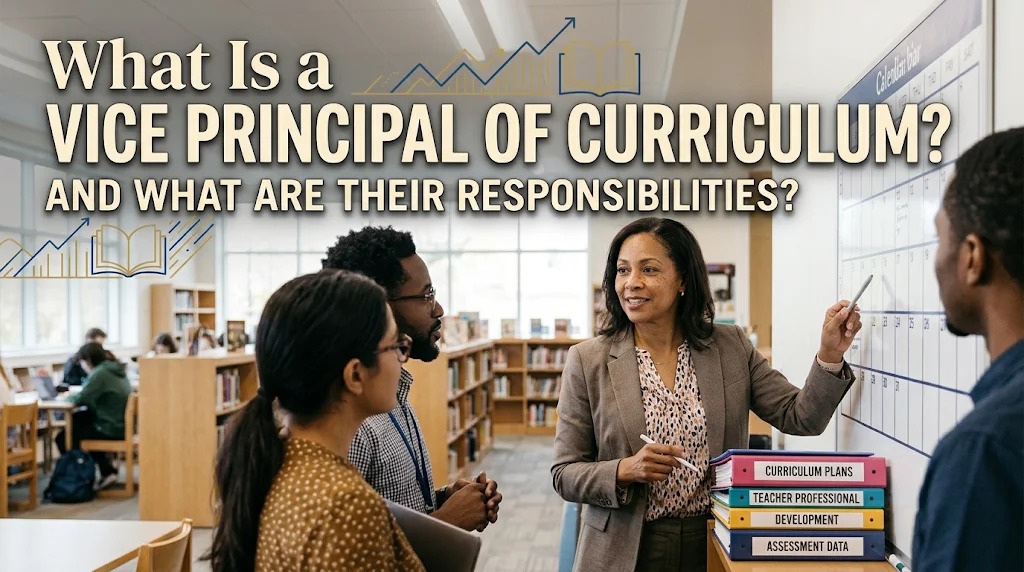
A school needs effective educational management to ensure that teaching and learning activities run smoothly. Behind the daily academic process, several school leaders are responsible for organizing schedules, coordinating teachers, monitoring learning activities, and maintaining educational standards. One important position involved in these responsibilities is the Vice Principal of Curriculum.
A Vice Principal of Curriculum is a school administrator who assists the principal in managing academic programs and implementing the school curriculum. This position plays an important role in organizing instructional activities, preparing academic schedules, coordinating lesson planning, and evaluating learning outcomes. By carrying out these responsibilities, the Vice Principal of Curriculum helps create an organized learning environment and supports the overall quality of education.
UNDERSTANDING THE ROLE OF A VICE PRINCIPAL OF CURRICULUM
A Vice Principal of Curriculum is a member of the school leadership team who focuses on academic planning and curriculum management. This position helps ensure that educational activities follow the applicable curriculum, school policies, and academic calendar. The person appointed to this role usually works closely with the principal, teachers, and other school staff.
The role involves more than preparing class schedules or managing academic documents. A Vice Principal of Curriculum also helps coordinate instructional strategies, monitor curriculum implementation, and identify areas that require improvement. These responsibilities require a good understanding of educational policies, teaching methods, and the needs of students.
In addition, this position connects school management with classroom activities. The vice principal communicates academic policies to teachers and helps ensure that learning plans are implemented consistently. Effective curriculum management allows schools to organize their educational activities more systematically and maintain clear academic objectives.
MANAGING TEACHING AND LEARNING ACTIVITIES
One of the main responsibilities of a Vice Principal of Curriculum is coordinating teaching and learning activities. This includes helping teachers prepare instructional plans, organizing academic schedules, and ensuring that lessons are delivered according to the school's educational objectives. Proper coordination helps prevent unnecessary disruptions during the academic year.
The vice principal also monitors whether classroom activities follow the planned curriculum. This may involve reviewing lesson plans, discussing teaching progress with teachers, and identifying difficulties that affect classroom instruction. When problems arise, the vice principal can coordinate with relevant staff to find practical solutions.
Another important responsibility is supporting the implementation of appropriate teaching methods. Teachers may need guidance when adapting instructional approaches to different student abilities and learning conditions. Through regular communication and evaluation, the Vice Principal of Curriculum helps maintain consistent teaching standards and supports a more effective learning process.
PREPARING CLASS SCHEDULES AND TEACHER ASSIGNMENTS
Preparing class schedules is an important administrative responsibility because it directly affects daily school activities. The Vice Principal of Curriculum needs to consider the number of classes, available teachers, subjects, teaching hours, and school facilities. A well-organized schedule helps ensure that every subject receives sufficient instructional time.
The vice principal also coordinates teacher assignments based on their qualifications and areas of expertise. Each subject should ideally be taught by a teacher with relevant academic knowledge and professional competence. Workloads must also be considered so that teaching responsibilities are distributed appropriately and in accordance with applicable regulations.
Schedule changes may become necessary when teachers are absent, school activities are added, or other unexpected situations occur. The vice principal must coordinate adjustments with the relevant staff to minimize disruptions. Accurate scheduling and fair teacher assignments help schools maintain an organized academic environment.
COORDINATING CURRICULUM IMPLEMENTATION AND TEACHER DEVELOPMENT
A Vice Principal of Curriculum helps ensure that the curriculum is implemented according to educational requirements and school objectives. This responsibility includes communicating curriculum policies, coordinating instructional documents, and helping teachers understand changes in educational guidelines. The vice principal may also organize meetings to discuss teaching plans and curriculum-related challenges.
Teacher development is another important part of this position. Teachers need opportunities to improve their professional skills and adapt to changes in educational approaches and technology. The vice principal can coordinate workshops, training sessions, seminars, and professional learning activities based on teachers' needs.
Collaboration is essential because curriculum implementation cannot depend on school administrators alone. Teachers contribute practical classroom experience, while the vice principal helps coordinate academic planning and improvement programs. Through continuous teacher development and curriculum coordination, schools can strengthen instructional quality and provide learning experiences that better support students.
EVALUATING ACADEMIC PROGRAMS AND STUDENT LEARNING OUTCOMES
Evaluating academic programs allows a Vice Principal of Curriculum to understand whether educational activities are achieving their intended objectives. This process may include reviewing assessment schedules, monitoring academic progress, and discussing learning outcomes with teachers. The information collected can help schools identify strengths and areas that require improvement.
The vice principal may coordinate discussions about students who experience difficulties understanding particular subjects. Teachers can use assessment results to identify learning gaps and consider additional support, such as remedial instruction or alternative teaching strategies. These activities should be organized according to students' needs and the school's academic policies.
Evaluation also helps determine whether existing teaching programs remain relevant and effective. If certain activities do not produce the expected results, the school can consider adjustments to its instructional plans. Regular academic evaluation provides useful information for improving teaching quality and supporting student achievement.
CONCLUSION
A Vice Principal of Curriculum plays an important role in managing academic activities and supporting the implementation of educational programs. The main responsibilities include coordinating teaching and learning activities, preparing class schedules, organizing teacher assignments, supporting curriculum implementation, and evaluating academic performance. These tasks require strong organizational, communication, and leadership skills.
The success of this position depends on effective cooperation with the principal, teachers, and other school staff. By managing academic programs systematically and responding to educational needs, a Vice Principal of Curriculum can help create a more organized learning environment. Ultimately, this role contributes to improving teaching quality and supporting the achievement of school educational goals.
Recent Posts

Bagaimana Sistem SKS pada Program Kuliah... 22.11.2026/12 View

How Does Technology Make Daily Evaluation... 21.11.2026/63 View

Apa Strategi Menghadapi Kesenjangan antara Kompetensi... 21.11.2026/64 View

Mengapa Inventaris Aset Penting bagi Kelancaran... 21.11.2026/61 View

When Should Musicians Join a Record... 21.11.2026/59 View
