

What Is a Village Tourism Awareness Group and Why Is It Important for Local Tourism Development?
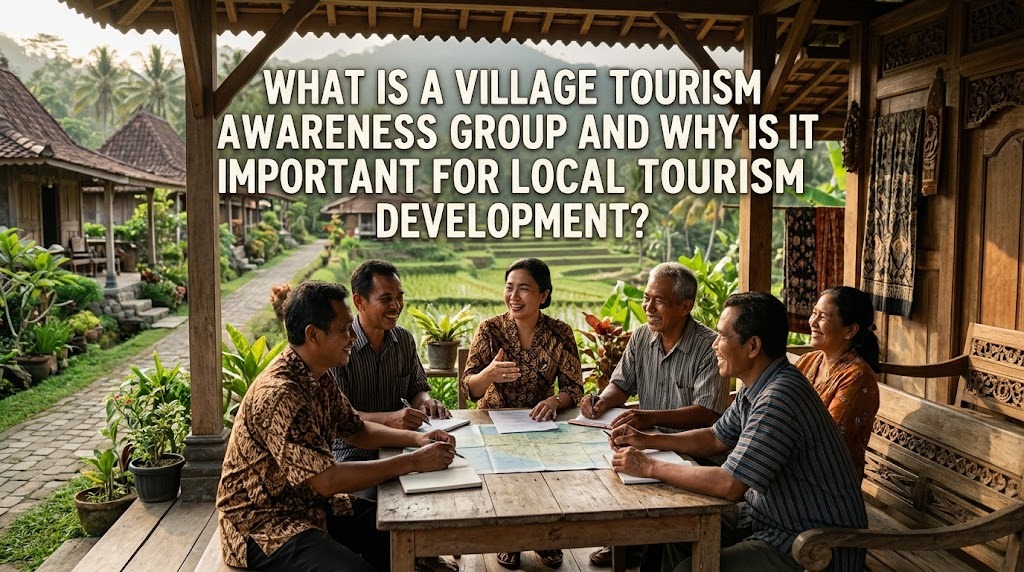
A village tourism awareness group is an organization formed by local community members who work together to develop, manage, and promote tourism in their village. Its main purpose is to encourage residents to recognize the tourism potential around them and participate actively in creating a welcoming environment for visitors. These groups play an important role in connecting local communities, village governments, and tourism businesses. Through cooperation and community participation, villages can develop attractive destinations while preserving their natural resources and cultural heritage. Understanding the role of a village tourism awareness group is essential for building sustainable tourism that benefits everyone.
UNDERSTANDING VILLAGE TOURISM AWARENESS GROUPS
A Village Tourism Awareness Group, commonly known as a Pokdarwis in Indonesia, is a community-based organization established to increase public awareness and participation in tourism development. Its members usually consist of local residents who share an interest in promoting their village as a tourism destination. They work together to identify local attractions, maintain public facilities, and create positive experiences for visitors. These attractions may include natural landscapes, traditional arts, cultural activities, historical sites, and local culinary products.
The group also encourages residents to understand the importance of hospitality, cleanliness, safety, and environmental protection. In Indonesia, tourism awareness groups often become a bridge between communities and government institutions in implementing tourism programs. Their activities are not limited to attracting visitors but also involve building a strong sense of responsibility among residents. Therefore, community participation becomes the foundation of their activities and long-term development.
THE ROLE OF VILLAGE TOURISM AWARENESS GROUPS IN LOCAL DEVELOPMENT
Village tourism awareness groups have an important role in identifying and developing tourism potential that may not have received sufficient attention. They can explore unique local resources and transform them into interesting tourism experiences. For example, a village with beautiful agricultural landscapes can develop educational farming activities, while a village with traditional crafts can introduce cultural workshops for visitors. These activities help create distinctive attractions that make local destinations more competitive.
Another important responsibility is maintaining the quality of tourism services and facilities. Group members can encourage residents to keep public areas clean, provide accurate information, and welcome visitors politely. They can also coordinate with village governments to improve roads, sanitation, parking areas, and other supporting infrastructure. Through these efforts, local tourism development can create economic opportunities while improving the overall quality of village life.
WHY VILLAGE TOURISM AWARENESS GROUPS ARE IMPORTANT FOR LOCAL COMMUNITIES
One of the main reasons these groups are important is their ability to involve residents directly in tourism activities. Instead of depending entirely on outside investors or professional tourism companies, local people can participate in managing attractions and providing tourism services. This approach gives communities greater opportunities to benefit from tourism development. It also encourages residents to recognize the value of their village's natural, cultural, and social resources.
Village tourism awareness groups can also support the growth of small businesses. Residents may establish food stalls, homestays, souvenir shops, transportation services, and local tour businesses to serve visitors. As tourism activities increase, these businesses can generate additional income and create employment opportunities. More importantly, community-based tourism helps distribute economic benefits more widely instead of concentrating them among a small number of business owners.
CONTRIBUTION TO CULTURAL AND ENVIRONMENTAL PRESERVATION
Tourism development should not focus only on increasing visitor numbers because protecting local identity and natural resources is equally important. Village tourism awareness groups can encourage communities to preserve traditional ceremonies, regional languages, local dances, traditional clothing, and other cultural practices. These cultural elements can become valuable tourism attractions when introduced respectfully and appropriately. By involving younger generations in cultural activities, the groups can also help maintain traditions that might otherwise become less familiar over time.
Environmental protection is another important part of their responsibilities. Members can organize community clean-up activities, encourage waste management, protect natural attractions, and educate visitors about responsible tourism behavior. They can also establish guidelines to prevent tourism activities from damaging forests, rivers, agricultural land, and other natural resources. Through sustainable tourism practices, villages can maintain their environmental quality while continuing to welcome visitors.
COOPERATION BETWEEN TOURISM GROUPS AND VILLAGE GOVERNMENTS
Successful tourism development requires cooperation between village tourism awareness groups and village governments. Tourism groups understand local conditions and community needs, while village governments can provide administrative support, development planning, facilities, and access to funding programs. This partnership allows tourism initiatives to become more organized and consistent with village development priorities. Both parties can work together to determine development goals and identify the most suitable programs.
Cooperation can also involve regional tourism offices, educational institutions, private businesses, and local communities. These partnerships may provide training, promotional support, financial assistance, and opportunities to improve tourism management skills. For example, tourism groups can collaborate with universities to develop local tourism products or work with travel businesses to introduce village destinations to wider markets. Strong partnerships help overcome resource limitations and create better opportunities for long-term tourism growth.
CHALLENGES AND OPPORTUNITIES IN DEVELOPING VILLAGE TOURISM
Although village tourism awareness groups have significant potential, they often face several challenges when managing local destinations. Limited funding, inadequate infrastructure, a lack of trained personnel, and insufficient promotional activities can slow down tourism development. Some groups also experience difficulties maintaining consistent community participation because members may have different interests and responsibilities. These challenges require careful planning, effective communication, and continuous evaluation.
However, digital technology and growing interest in authentic travel experiences create new opportunities for village tourism. Groups can use social media to introduce local attractions, share cultural activities, and communicate with potential visitors. They can also develop creative tourism packages that combine nature, culture, education, and local culinary experiences. By improving their management capabilities and adapting to changing visitor preferences, village tourism groups can strengthen their competitiveness and expand their contribution to local economic development.
CONCLUSION
A Village Tourism Awareness Group is an important community organization that helps villages recognize, develop, and promote their tourism potential. Its contribution extends beyond destination promotion because it also supports community empowerment, cultural preservation, environmental protection, and local economic growth. Through active participation, effective management, and cooperation with village governments and other stakeholders, these groups can create tourism opportunities that benefit residents and visitors alike. Ultimately, strong community involvement and sustainable development are essential for building successful village tourism destinations that can provide long-term benefits for future generations.
Recent Posts

Bagaimana Sistem SKS pada Program Kuliah... 22.11.2026/37 View

How Does Technology Make Daily Evaluation... 21.11.2026/70 View

Apa Strategi Menghadapi Kesenjangan antara Kompetensi... 21.11.2026/73 View

Mengapa Inventaris Aset Penting bagi Kelancaran... 21.11.2026/68 View

When Should Musicians Join a Record... 21.11.2026/71 View
